Growth Academy: Building a New Playbook for Durable Growth
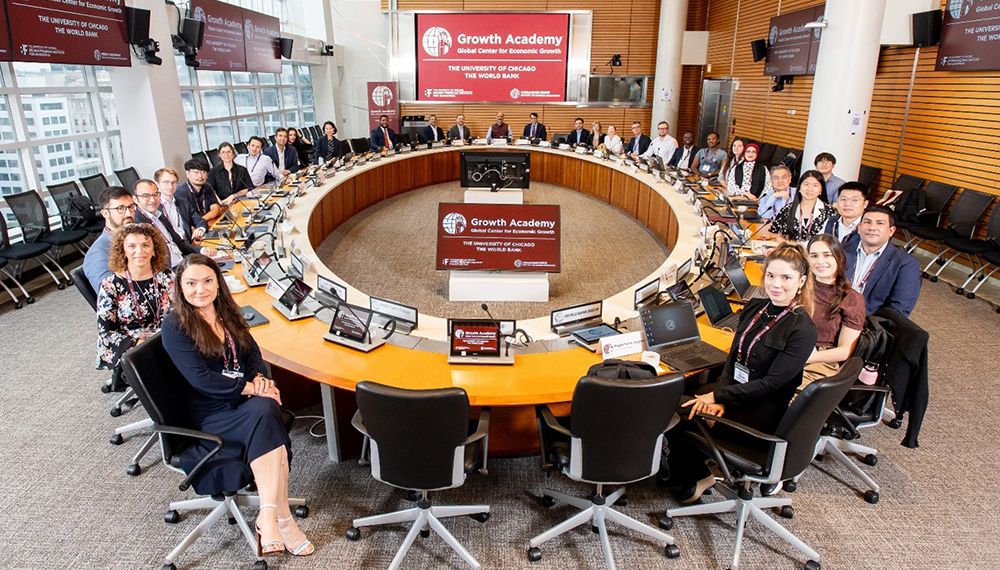
The Growth Academy brought together policymakers, researchers, and development practitioners to examine how countries can build more dynamic, innovative, and resilient economies in an era of slower global growth and rapid technological change.
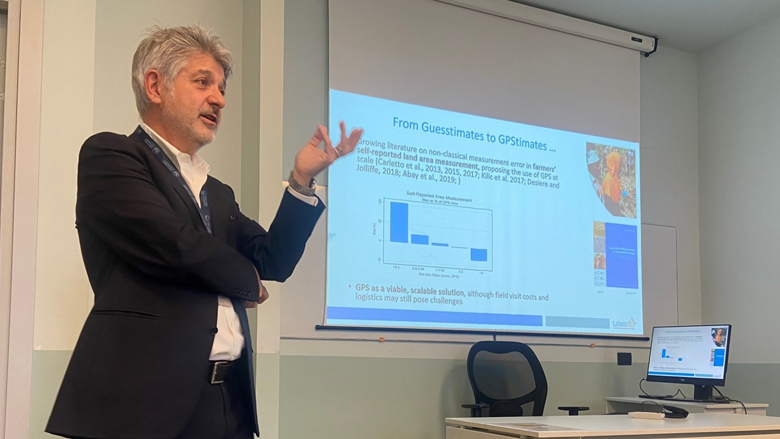
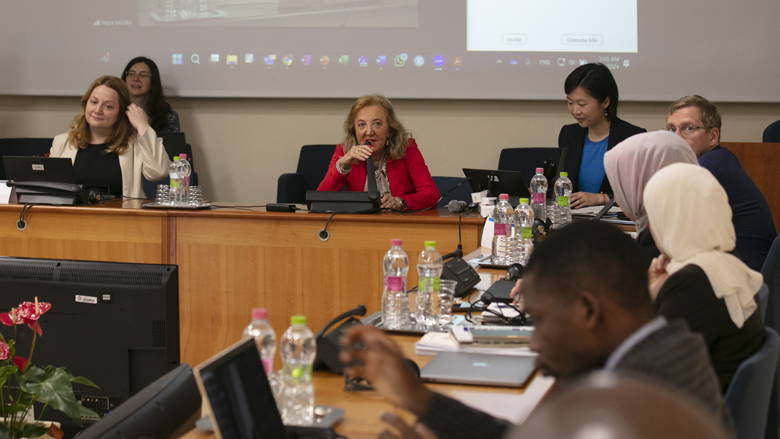
How can countries sustain growth when the conditions that powered earlier development gains are becoming less reliable? That question anchored the Growth Academy, co-hosted by the World Bank Group Institute for Economic Development and the University of Chicago’s Becker Friedman Institute for Economics. Held in Chicago from July 27–31 and in Washington, D.C., from August 3–5, the Academy convened leading scholars, World Bank Group experts, and public-sector decision-makers to examine the policies, institutions, and capabilities that can help economies create better jobs, raise productivity, and sustain long-term prosperity.
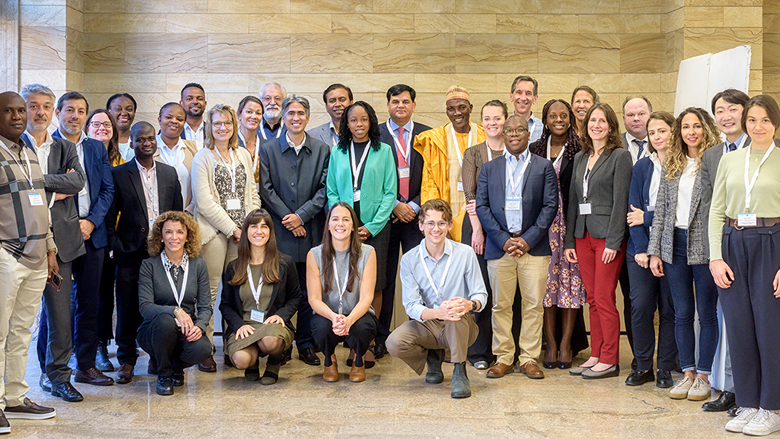
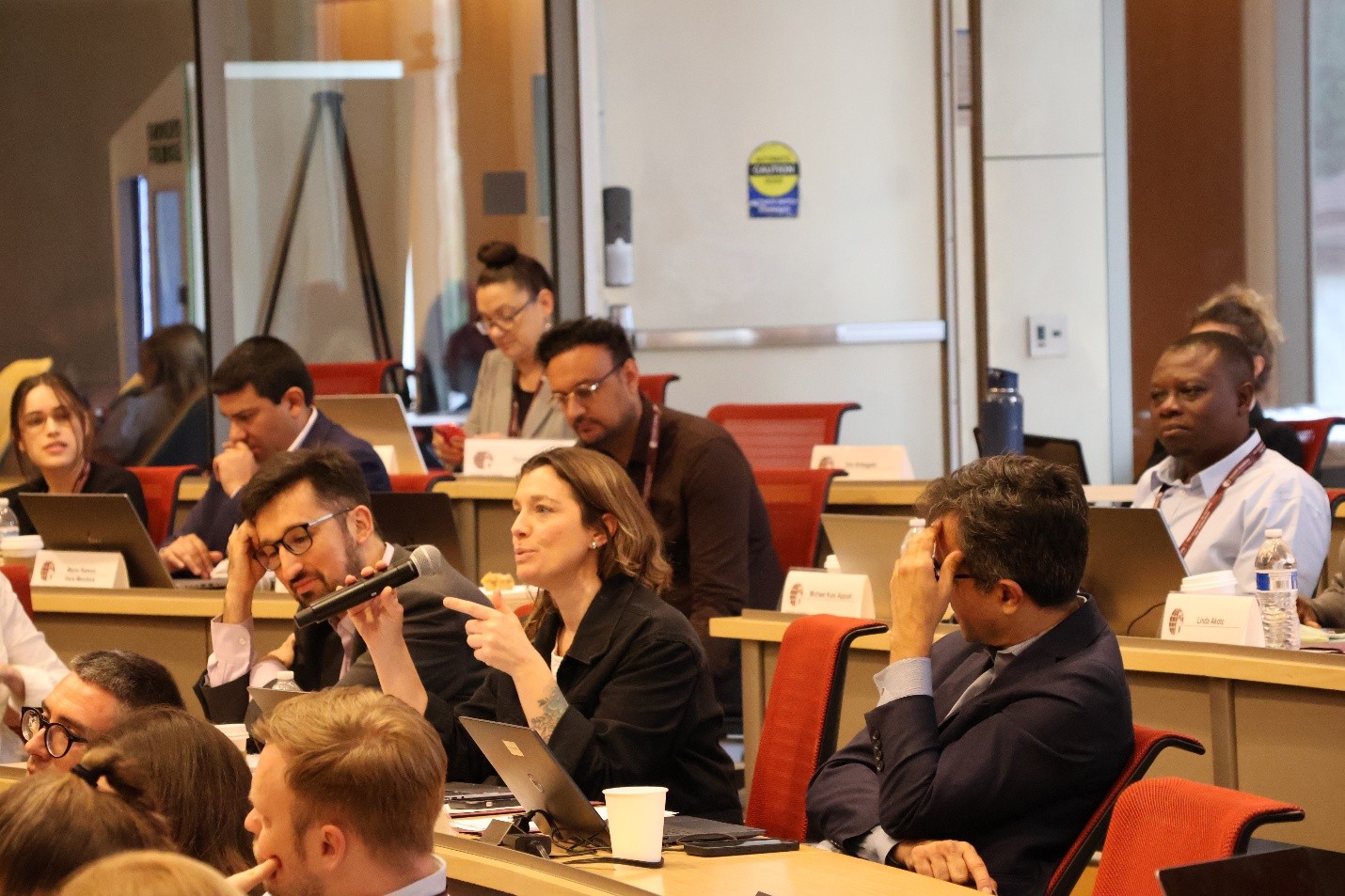
The Growth Academy’s participant base reflected its practical orientation. It convened senior officials from ministries responsible for finance, economic policy, planning, territorial development, investment, and macro-fiscal management; leaders from central banks and national statistical institutions; economic advisers; researchers and academics; and World Bank Group economists. Participants came from Azerbaijan, Brazil, Chile, China, Ghana, Morocco, Paraguay, the Republic of Korea, Saudi Arabia, Ukraine, Uruguay, and the United States—bringing together the institutions that shape economic strategy with the research and operational experience needed to put it into practice.
Growth begins with the capacity to adapt
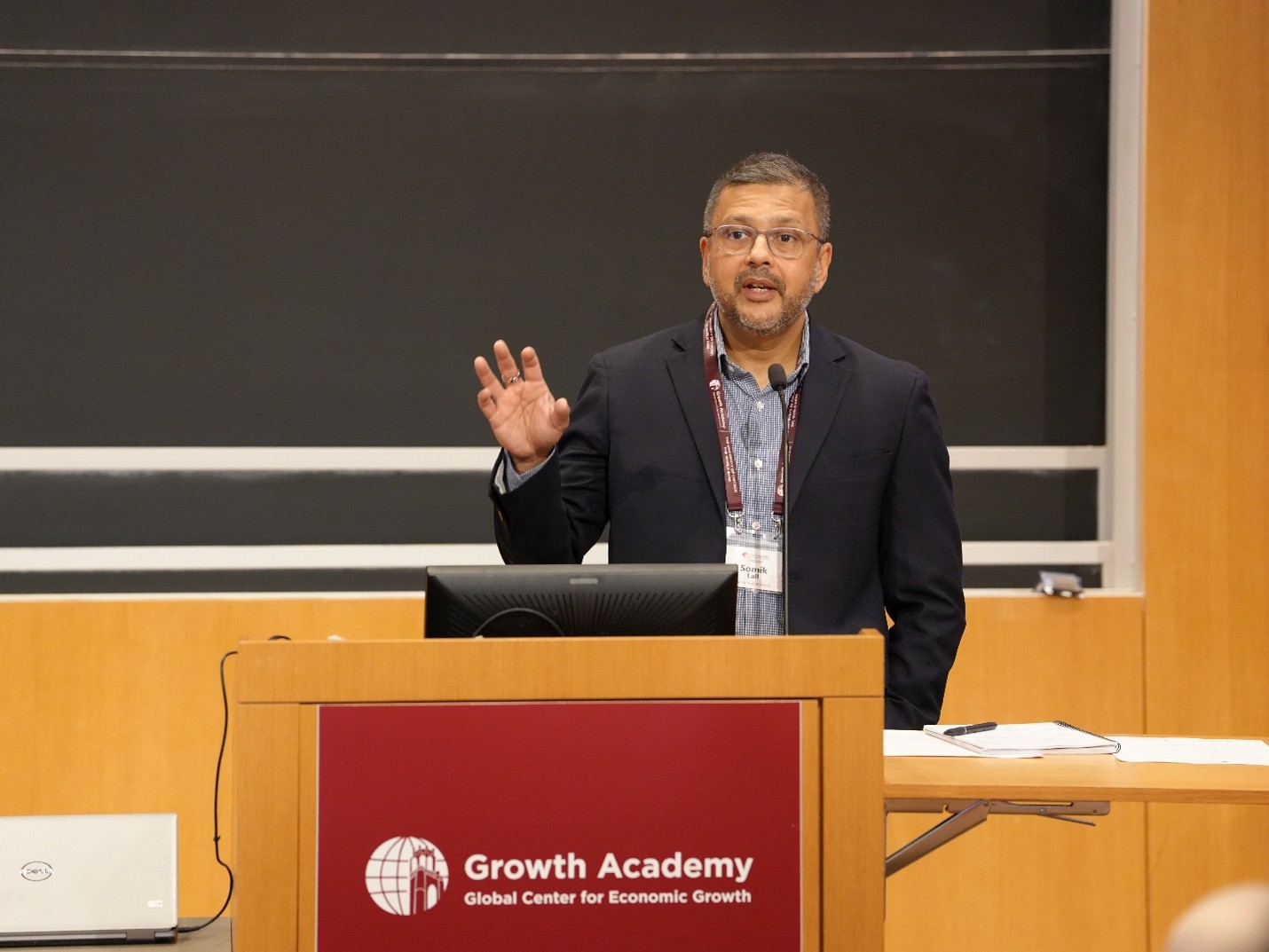
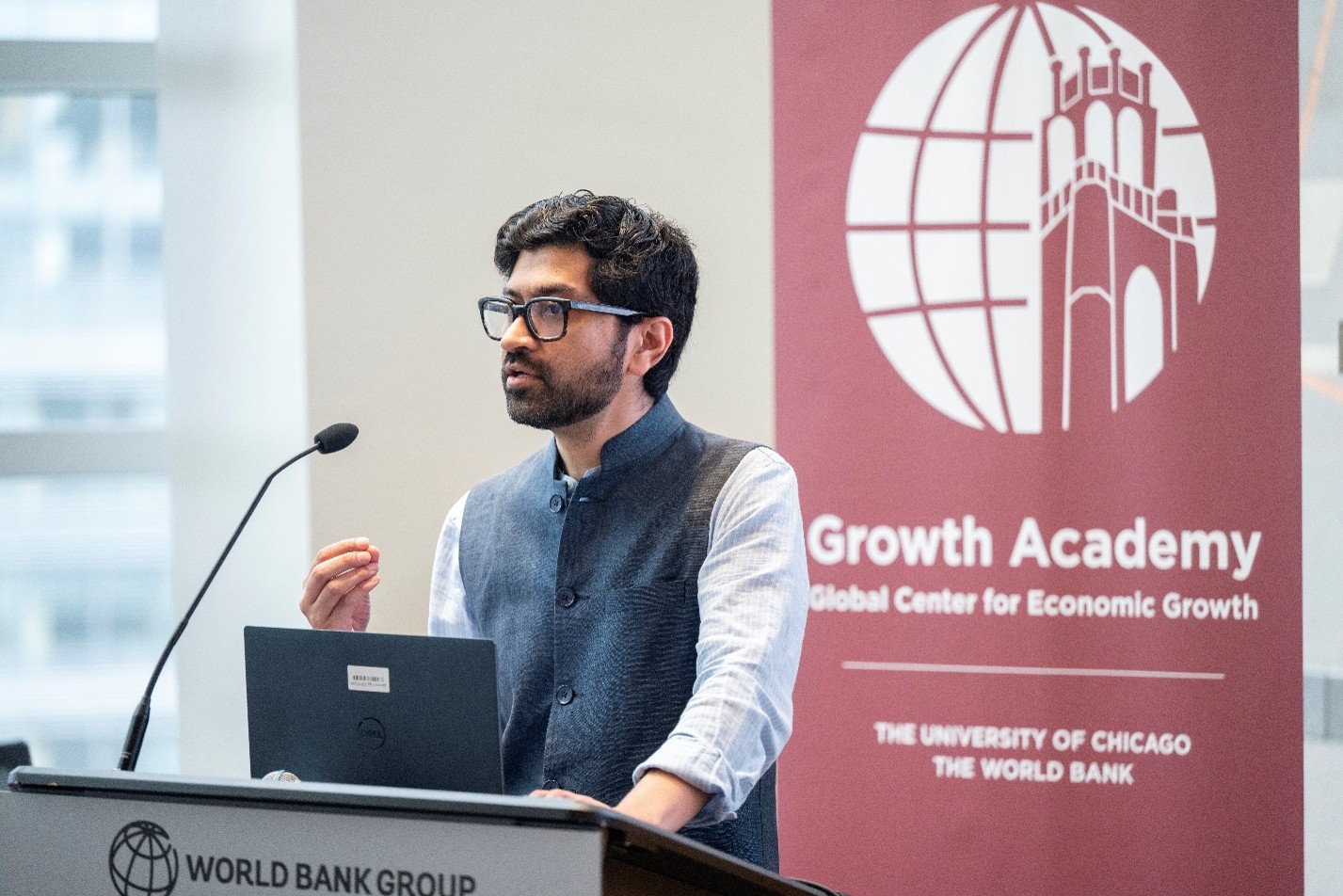
The Chicago program opened with Dr. Somik Lall, Director for Strategy and the WBG Institute for Economic Development and Co-Director of the Growth Academy, who framed the discussion around the middle-income trap: the difficulty many countries face in sustaining momentum after reaching middle-income status.
The challenge, he argued, is not simply a shortage of capital, talent, or energy. It is often the inefficient use of these resources, reinforced by institutions and policies that preserve the status quo and protect less productive firms. For countries seeking to move beyond investment-led growth, Dr. Lall emphasized the importance of a critical intermediate stage: the ability to adopt, adapt, and diffuse existing technologies across firms and sectors.
The experience of countries such as the Republic of Korea, discussed during the Growth Academy, illustrated the importance of sequencing: building productive capacity, absorbing and adapting technologies, and then strengthening the conditions for innovation at the frontier. The broader lesson was that growth strategies must fit a country’s capabilities and stage of development, rather than replicate policies designed for advanced economies.
Making room for creative destruction
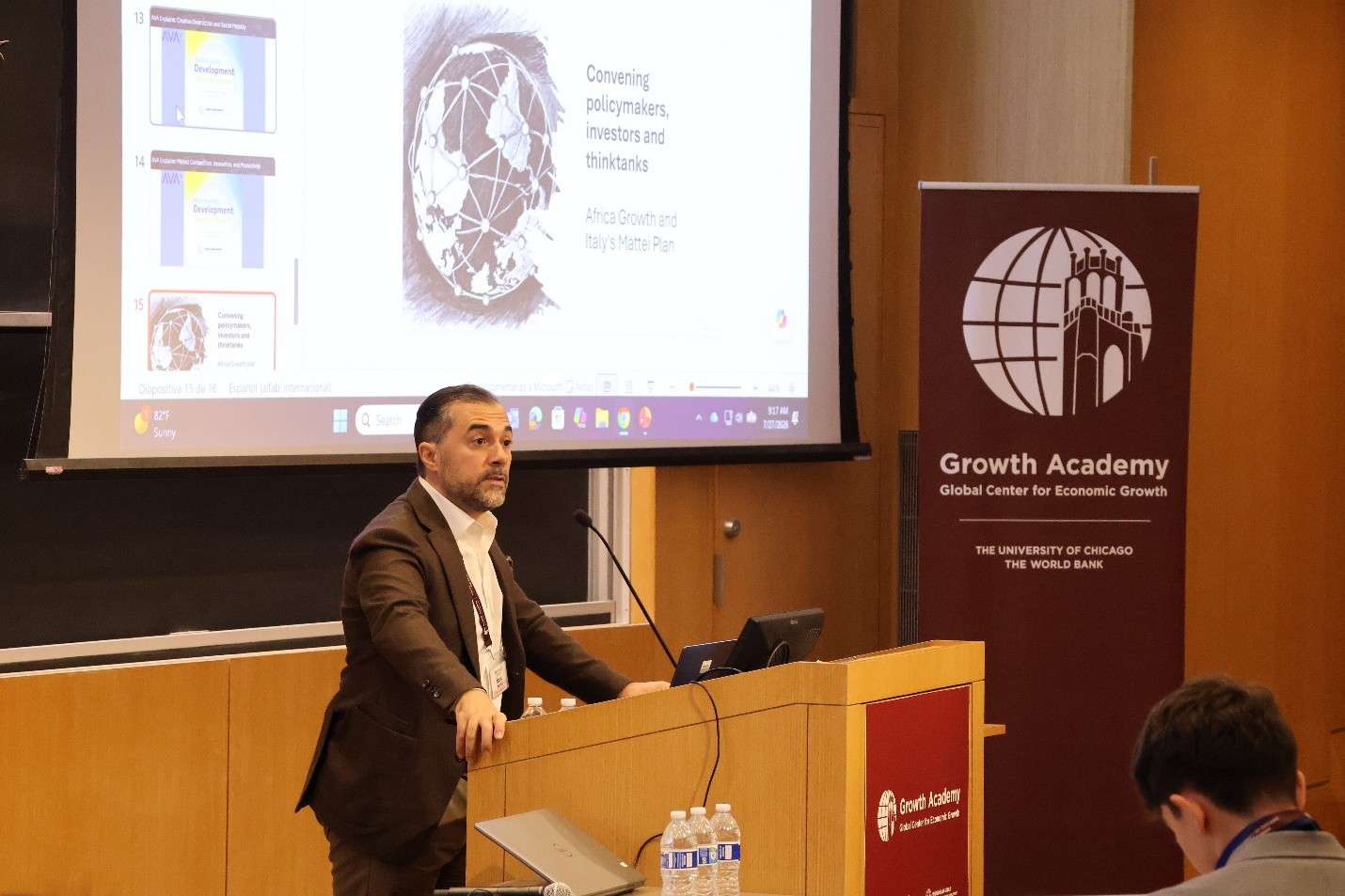
That proposition set the stage for a wider discussion on economic dynamism. Philippe Aghion, Nobel prize winner and Professor at INSEAD, the London School of Economics, and the Collège de France, explored the role of creative destruction—the process through which new ideas, technologies, and firms displace older and less productive ones.
Creative destruction is essential to long-run prosperity, but it also poses a policy challenge. Economies need to reward innovation while preserving the competitive pressure that prevents successful firms from becoming entrenched barriers to new entrants. This discussion further highlighted the importance of competition policy, open markets, and institutions that enable entrepreneurs to experiment, grow, and, when necessary, fail and try again.
Ufuk Akcigit, Professor at the University of Chicago, Deputy Chief Economist at the World Bank Group, and Co-Director of the Growth Academy, brought this discussion to the firm level. Sustainable growth, he argued, rests on continuous improvements in productivity and on the ability of resources to move toward the firms that use them best.
A central question is how responsive firms are when conditions change. When productive firms can expand after a positive shock—and less productive firms do not continue to absorb scarce capital and labor—an economy becomes more dynamic. This has direct implications for industrial policy. Rather than relying on broad, untargeted support, governments should consider approaches that reward performance and help high-potential firms grow.
Innovation ecosystems are built, not copied
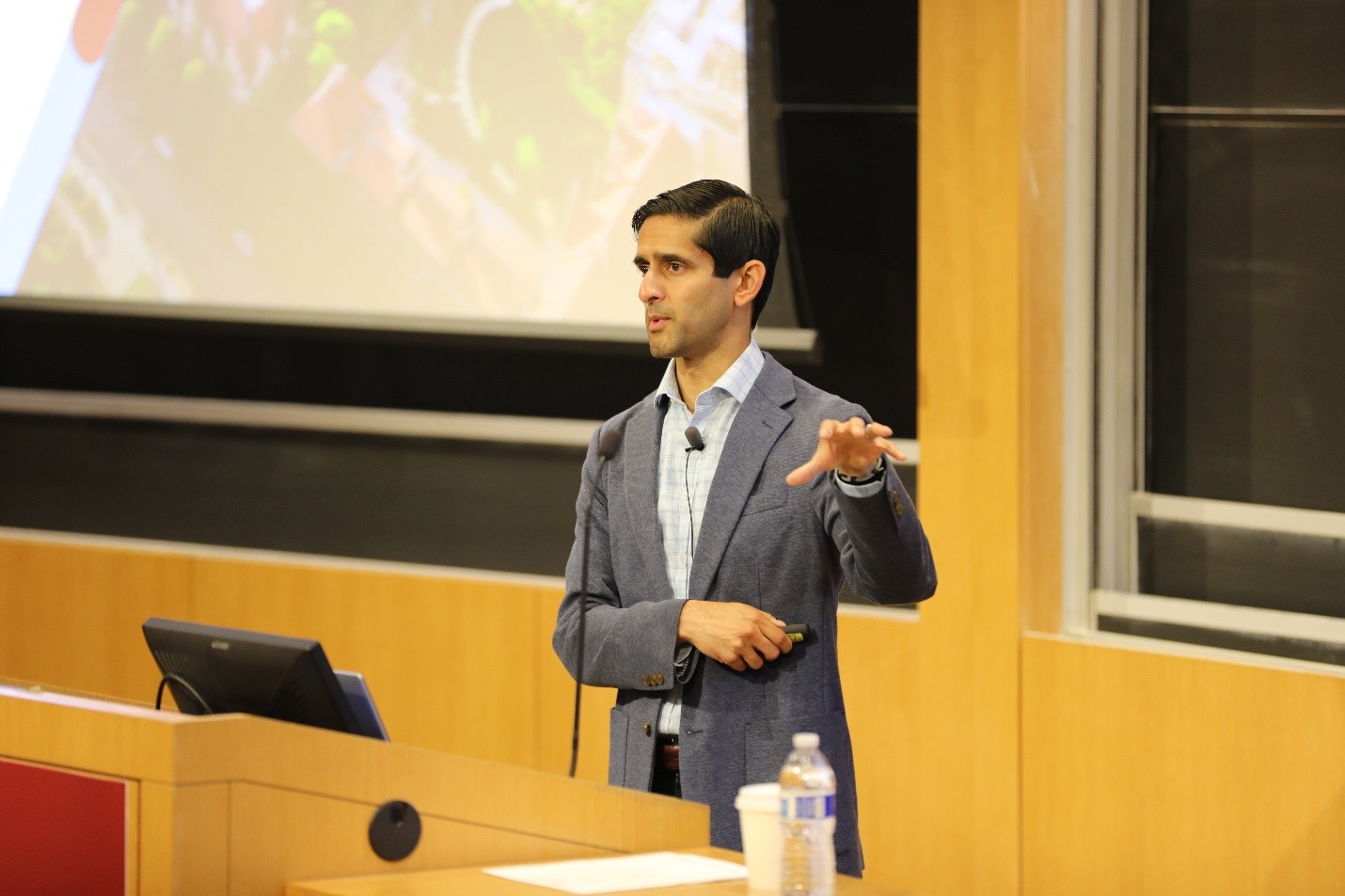
Discussions at the Growth Academy progressed to focus on the building blocks of innovation ecosystems. Samir Mayekar, Managing Director of the University of Chicago’s Polsky Center for Entrepreneurship and Innovation, emphasized that successful ecosystems cannot be replicated by simply copying Silicon Valley.
Instead, regions need to build from their own strengths. Early-stage finance, entrepreneurs, an industrial base, research organizations, skilled talent, and effective public-private partnerships all matter. So do the “connectors” that link these elements—helping ideas, capital, people, and institutions work together.
For governments, this means creating conditions for innovation rather than attempting to select winners prematurely. Public support can be especially valuable in areas where private investment is less likely to take the lead, including science-based innovation and emerging technologies. But a healthy innovation ecosystem must also allow room for experimentation, learning, and the possibility of failure.
Josh Lerner, Professor of Entrepreneurship at Harvard Business School, returned to these themes in his discussion of entrepreneurial and innovative clusters. Young firms are important sources of job creation and innovation, but they frequently face gaps in finance, networks, and institutional support.
Public programs can help address these gaps, but only when they are well designed. Lerner identified two recurring risks: interventions that create unintended consequences because they do not reflect how entrepreneurship works, and programs captured by well-connected interests. He argued that the foundations must come first—reliable legal enforcement, viable exit markets, sensible labor regulations, and policies rooted in comparative advantage. Governments should rely on market signals, build in mechanisms for learning, and protect programs from political pressure.
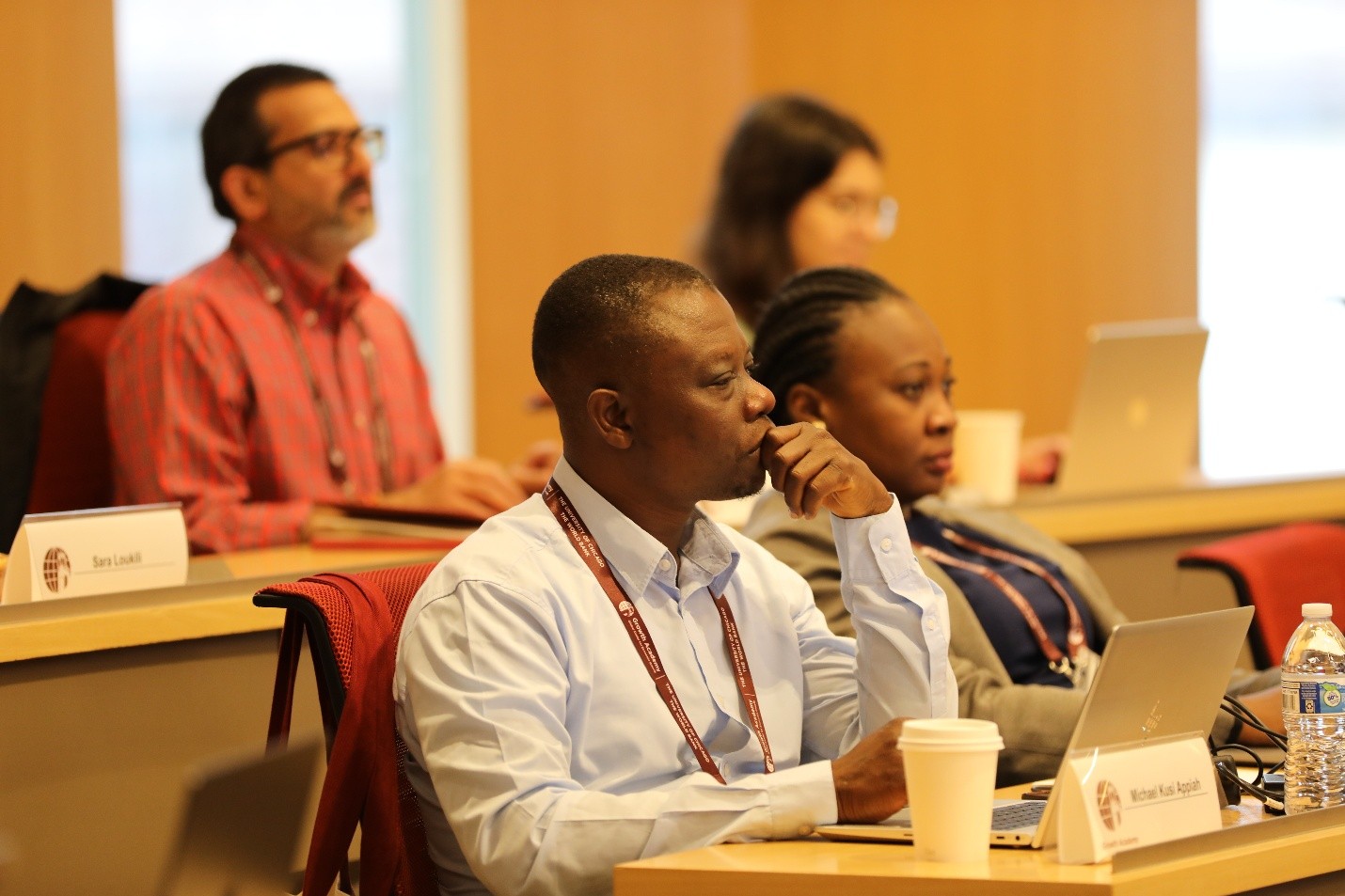
People, places, and the foundations of productivity
The Growth Academy also broadened the discussion beyond firms and finance to consider demographic change and the geography of development.
James Heckman, Professor and Director of the Center for the Economics of Human Development at the University of Chicago, examined fertility decline and its policy implications. He cautioned against drawing conclusions from short-term measures of fertility and stressed the need to distinguish them from measures that capture people’s reproductive choices over their lifetimes.
The discussion underscored that demographic change cannot be reduced to population size alone. An aging population can influence savings and capital accumulation, while productivity ultimately depends on the quality of human capability, research, experimentation, and institutions. Policies responding to demographic change need to be grounded in careful measurement and a realistic understanding of the social and economic choices shaping family formation.
Leonard Wantchekon, Professor of Political Economy at Princeton University, focused on the spatial dimension of creative destruction. He argued that political connections, patronage, and other distortions can block investment and innovation, particularly where economic opportunity is highly concentrated.
His proposal of “spatial creative destruction” centered on creating decentralized spaces where reform, competition, and new institutions can take root more readily. These local “safe havens” can demonstrate what is possible, enable success to spread, and help regions develop around their own assets. In settings with strong resource potential but weak infrastructure, targeted investments in connectivity, research capacity, and local innovation hubs can help unlock development opportunities.
The participant presentations brought these questions closer to the national context. They highlighted the importance of trade openness and policy stability, the use of administrative data to understand firm creation, and the role of growth in building national capacity. Together, they reflected a defining feature of the Academy: the exchange between frontier research and the realities confronting institutions responsible for economic policy.
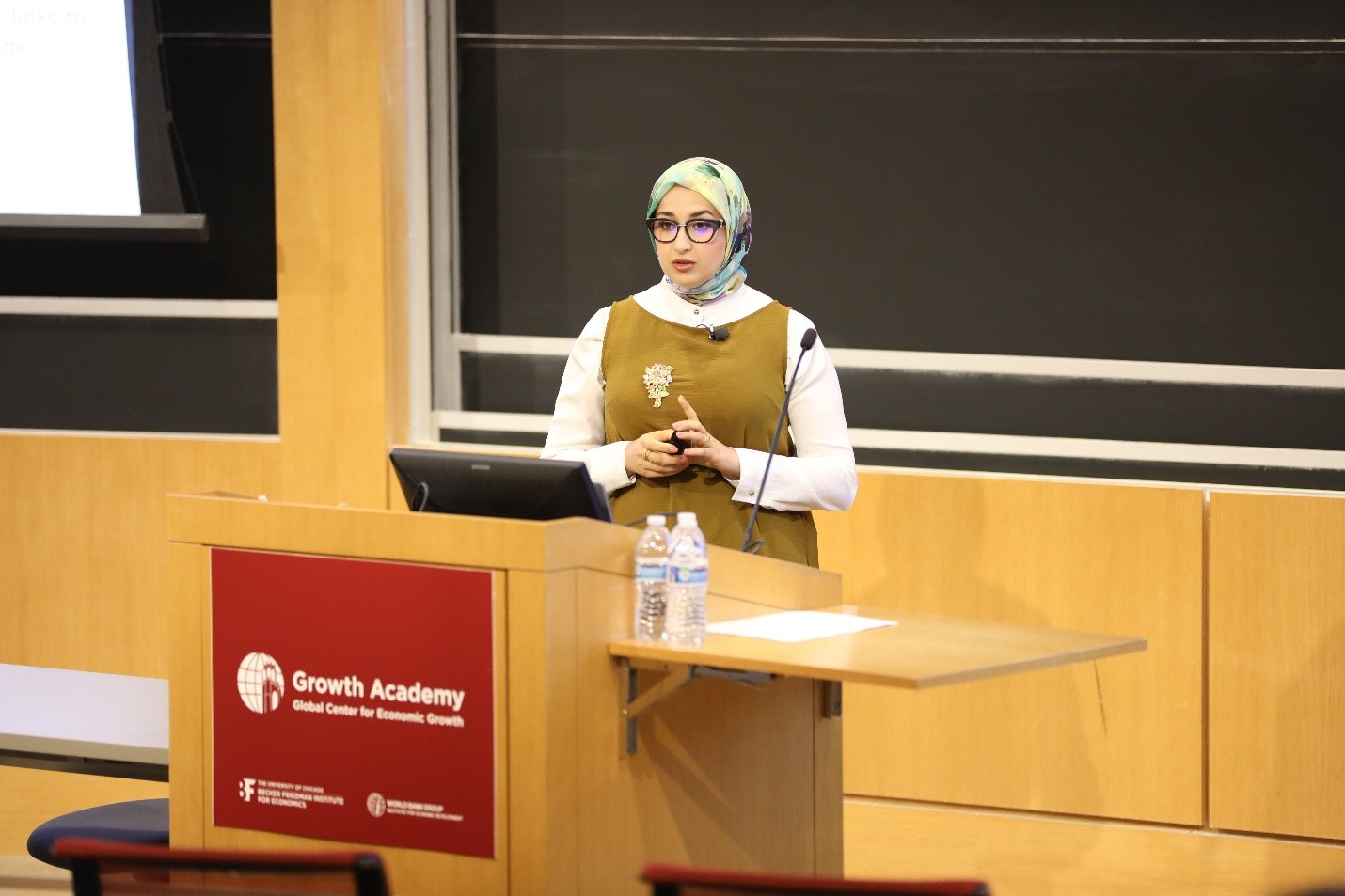
Capital and evidence: turning promising ideas into results
A recurring lesson was that capital and good ideas are not enough on their own. They must be supported by credible institutions, relevant information, and evidence about what works.
Emanuele Colonnelli, Professor of Finance and Entrepreneurship at the University of Chicago Booth School of Business, examined the private-capital landscape in emerging markets. Entrepreneurs often face constraints not only in the availability of finance, but also in access to investor networks, confidence in the legal and regulatory environment, and opportunities for investors to exit successfully.
His research highlighted the importance of resilient local equity ecosystems. In volatile contexts, founders may prefer equity to debt because it provides more flexibility. Yet capital can remain concentrated in international networks, leaving promising firms without the local connections needed to grow. Strengthening the conditions that make investment credible—reliable rules, information, networks, and viable exit channels—is therefore part of the growth agenda.
John List, Director of the Becker Friedman Institute, focused on the discipline required to turn successful pilots into scalable solutions. He cautioned that programs can appear effective because of selection bias, survivorship bias, or flawed incentives, only to produce weaker results when expanded.
This “voltage effect” is a reminder that benefits can diminish as interventions move from small pilots to broader implementation. Governments and development institutions can address this by building causal evidence into program design from the beginning, using staged rollouts, rigorous evaluation, and mechanisms to revise or end programs when the evidence does not support continued expansion.
Growth, jobs, and a more difficult global economy
The Washington, D.C., sessions placed these questions within a broader global context. Indermit Gill, Chief Economist and Senior Vice President of the World Bank Group, argued that potential growth has been weakening over time and that the global economy may be less resilient than headline figures suggest. Strong performance in a small number of large economies can conceal a more difficult reality for poorer countries, many of which face a prolonged period of weak growth.
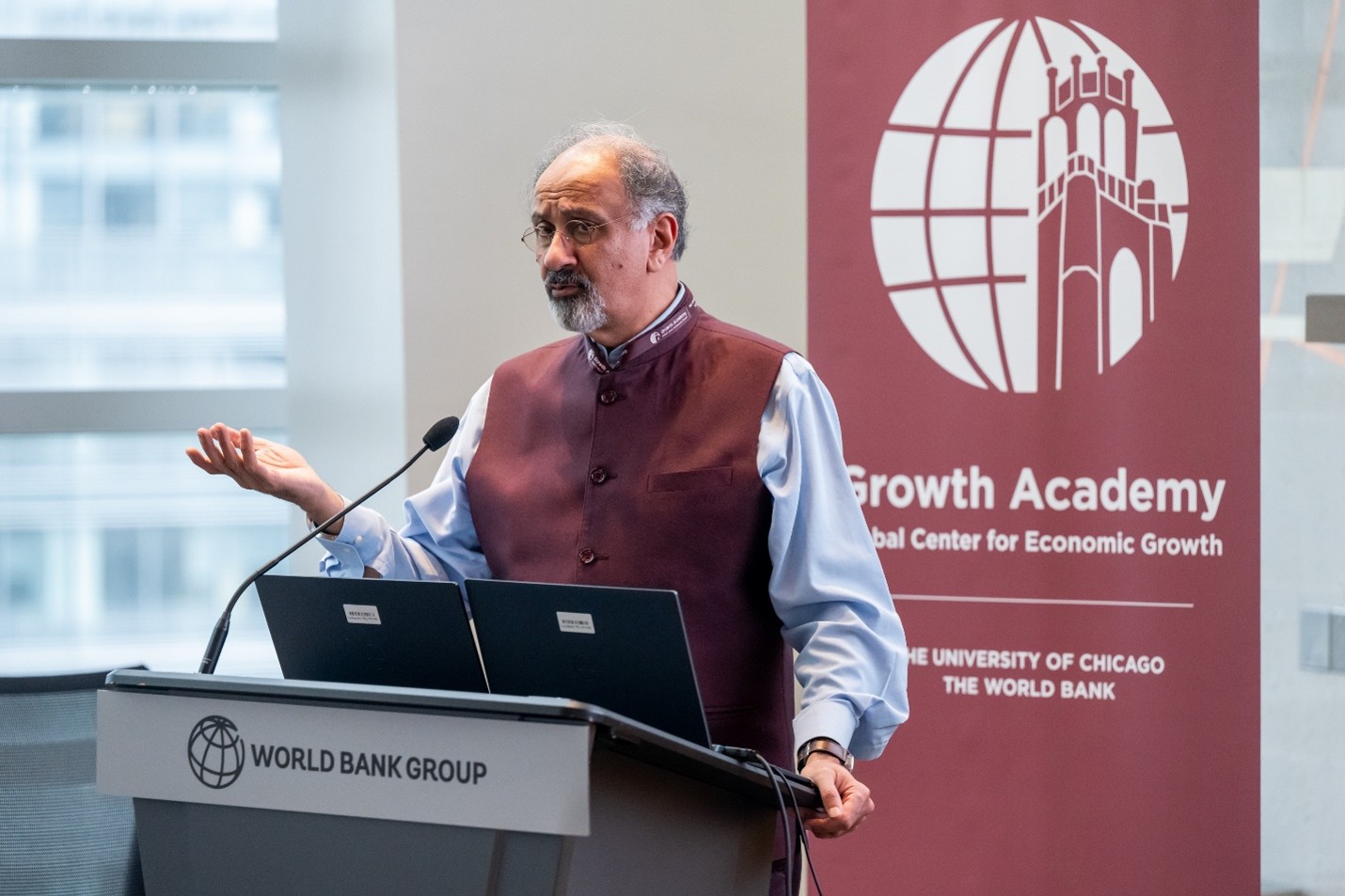
Gill emphasized that smaller economies should not wait for a more favorable global environment before pursuing reforms. Openness to trade, credible fiscal rules, and simpler business regulations can help countries strengthen resilience and create conditions for private investment.
Ayhan Kose, Deputy Chief Economist of the World Bank Group, expanded on the jobs challenge. The global labor market will need to absorb a large cohort of young people in the coming years, with the greatest pressures concentrated in Sub-Saharan Africa. Yet job creation cannot be taken for granted: growth that does not produce productive employment will not meet the needs of a rapidly expanding workforce.
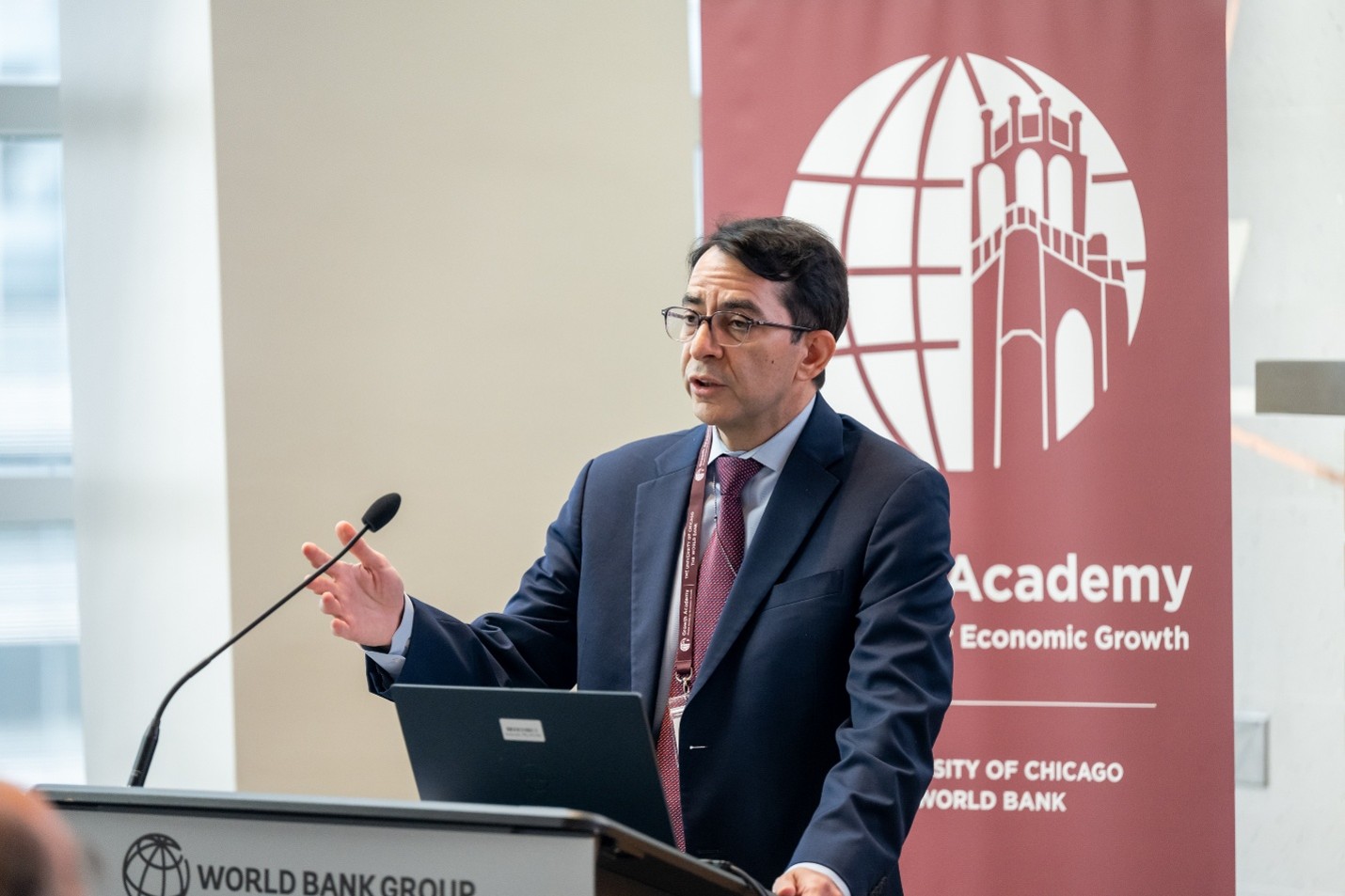
Kose stressed the importance of physical and digital infrastructure, a business environment that can attract investment, and the mobilization of private capital. He also noted that slower trade growth and a more protectionist global environment make the task more difficult. The challenge is not merely to grow, but to grow in ways that expand opportunity and connect people to productive work.
Industrial policy requires capability and discipline
Furthermore, the renewed global interest in industrial policy was a major theme of the Washington, D.C., sessions. Tristan Reed, Economist in the World Bank Group’s Development Research Group, described industrial policy as government action to grow a strategic business activity. Yet the Academy’s discussion made clear that ambition alone does not guarantee results.
The most effective interventions, Reed argued, are those that address identifiable constraints directly—for example, investments in technical skills, infrastructure, research capacity, or industrial parks. More indirect measures, such as tariffs or local-content requirements, may be less effective when they are not supported by the market size, domestic inputs, institutional capacity, and complementary investments that enable firms to compete.
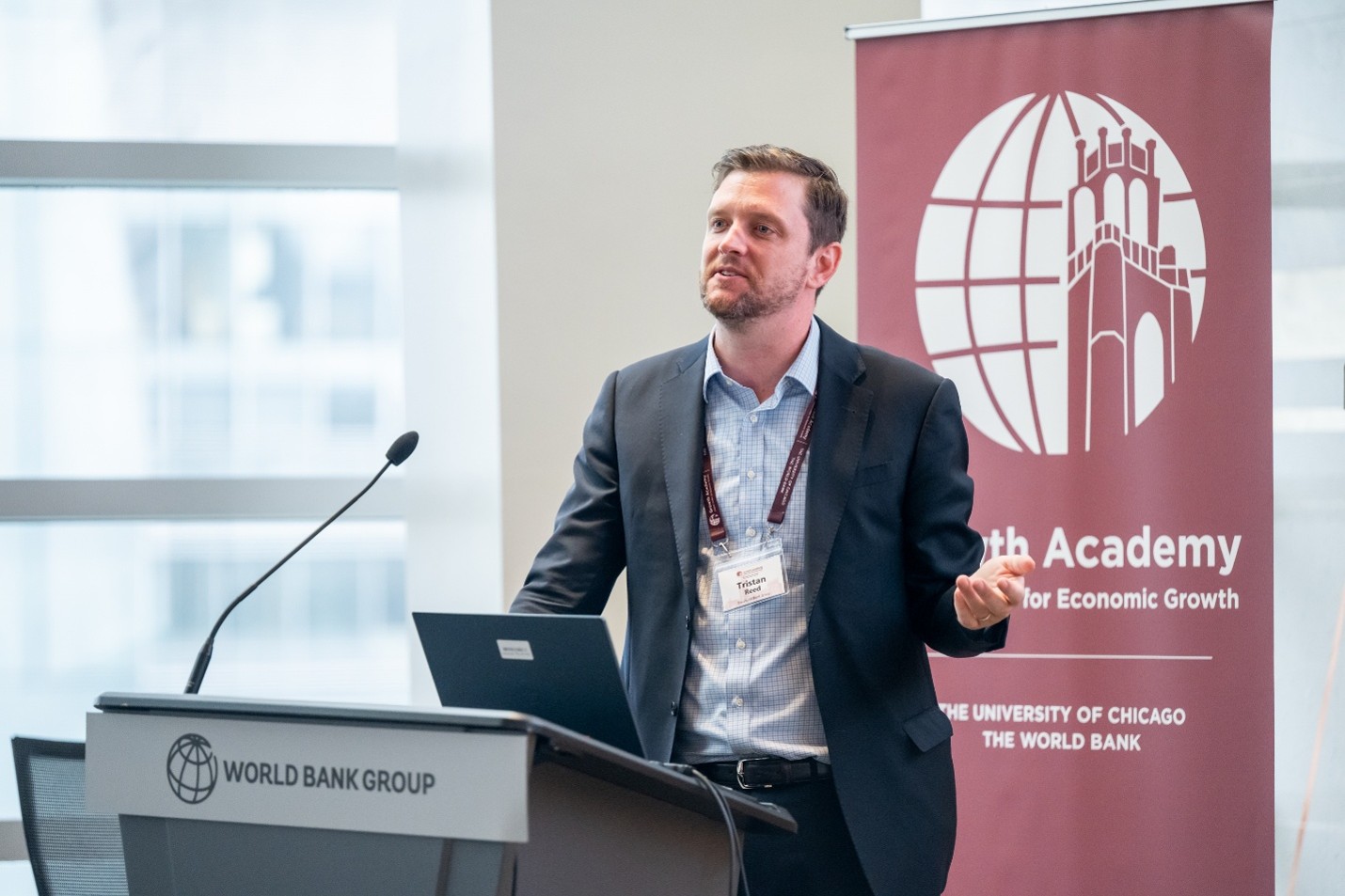
Regional perspectives reinforced this need for selectivity. Ivailo Izvorski, Chief Economist for the Europe and Central Asia Region at the World Bank Group, noted that industrial-policy announcements have increased sharply in Europe and Central Asia since the COVID-19 pandemic, frequently in response to national-security and geopolitical pressures. Yet many initiatives are poorly planned, underfunded, or insufficiently evaluated. His central argument was that industrial policy cannot substitute for the structural reforms that improve the business environment, education, and institutional quality; it should be used selectively and alongside those fundamentals.
Alessandro Baratieri, Senior Economist in the Office of the Chief Economist for East Asia and Pacific at the World Bank Group, examined industrial policy in the digital age. He observed that much recent growth in East Asia and the Pacific, excluding China, has been driven by capital accumulation rather than productivity gains. His framework began with foundational public goods—particularly human capital—then considered the removal of policy barriers in areas such as services, before turning to targeted interventions that address specific market failures. As countries seek opportunities in the AI value chain, he stressed the importance of distinguishing an intervention that is effective in reaching a stated target from one that is economically efficient, with benefits that justify its costs.
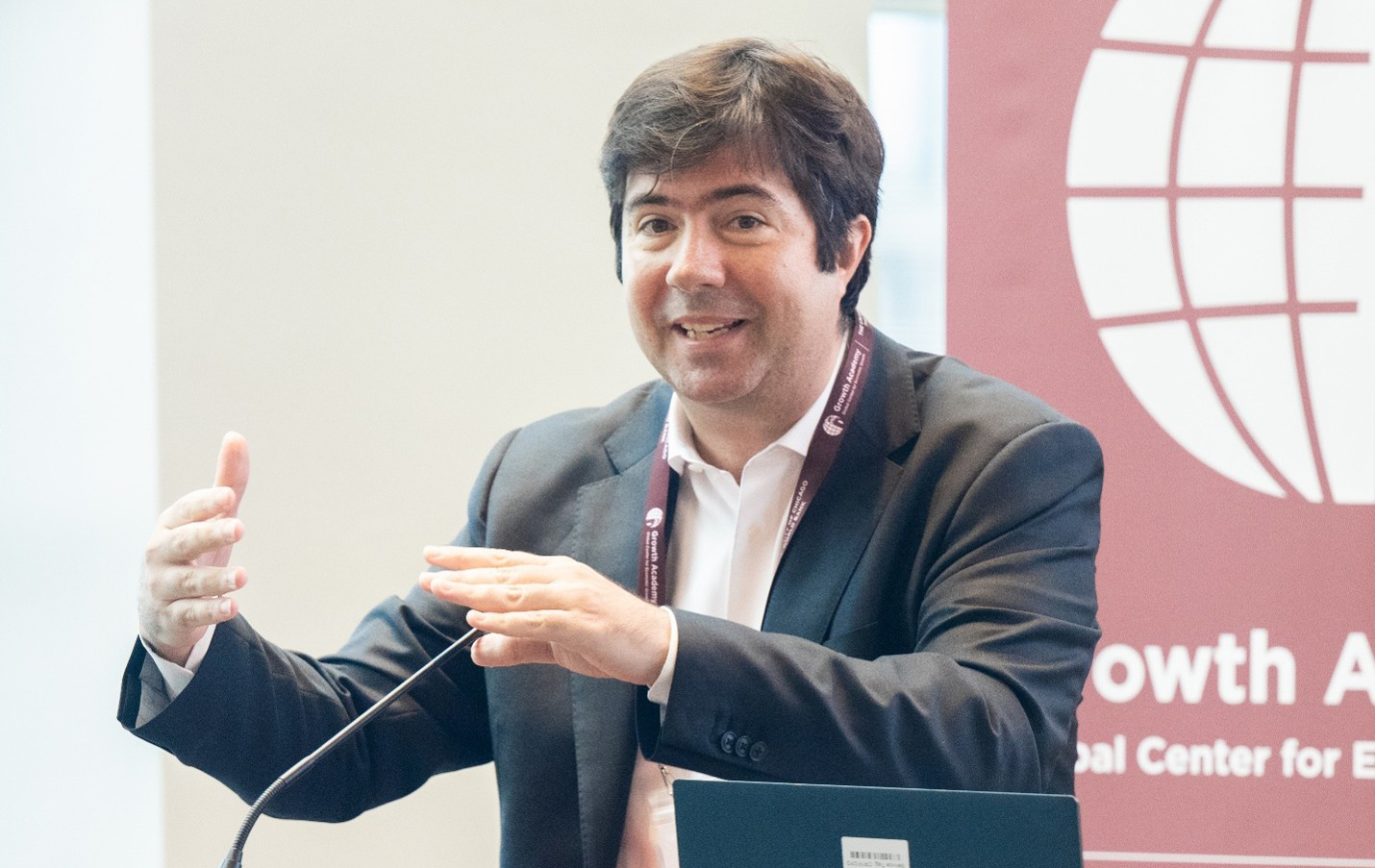
Caglar Ozden, Deputy Chief Economist for the Middle East and North Africa at the World Bank Group, highlighted the need for stronger data and greater scrutiny of state-owned enterprises. These enterprises can play an important role in regional economies, but they may also reduce market contestability when they limit private firms’ access to finance, markets, or opportunities to compete.

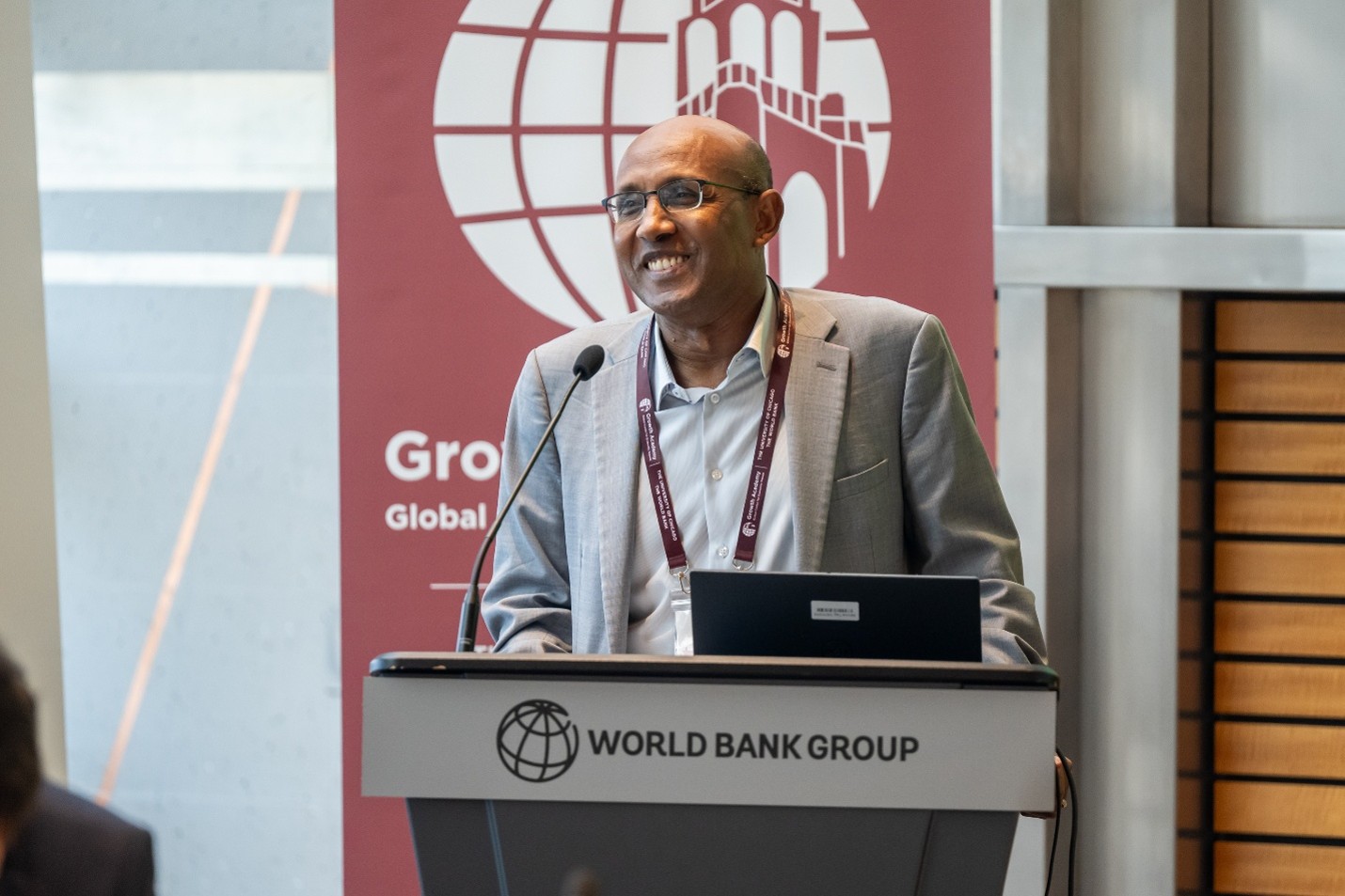
Andrew Dabalen, Chief Economist for the Africa Region, noted that industrial policy is widely used across Africa but has not consistently delivered structural transformation. Fiscal constraints often lead governments toward trade-related interventions rather than direct support. But policy tools cannot be separated from the capabilities that make them work. A measure that succeeds in one country may not translate elsewhere if local market conditions, infrastructure, productive capacity, or access to inputs are different.
Learning from lending
Peter Henry, Senior Fellow at the Hoover Institution and Dean Emeritus of NYU Stern, examined how development finance can better mobilize private capital for public priorities.
His “dual hurdle” framework asks whether a project is both socially desirable and commercially viable. In other words, it must deliver public value while also providing a credible financial proposition for private investors. The approach offers a way to identify investments where public and private returns reinforce one another, rather than treating them as inherently competing objectives.
For governments and development institutions, the lesson is to use public resources strategically: not merely to finance projects directly, but to reduce risk, generate information, and create the conditions in which private capital can participate in activities with high development value.
AI’s promise lies in adaptation
The Academy concluded with the official launch of the World Development Report 2026: The Promise of Artificial Intelligence. The discussion brought the program’s central themes—capability, adaptation, institutions, and evidence—into focus around one of the most consequential technologies of the coming decades.
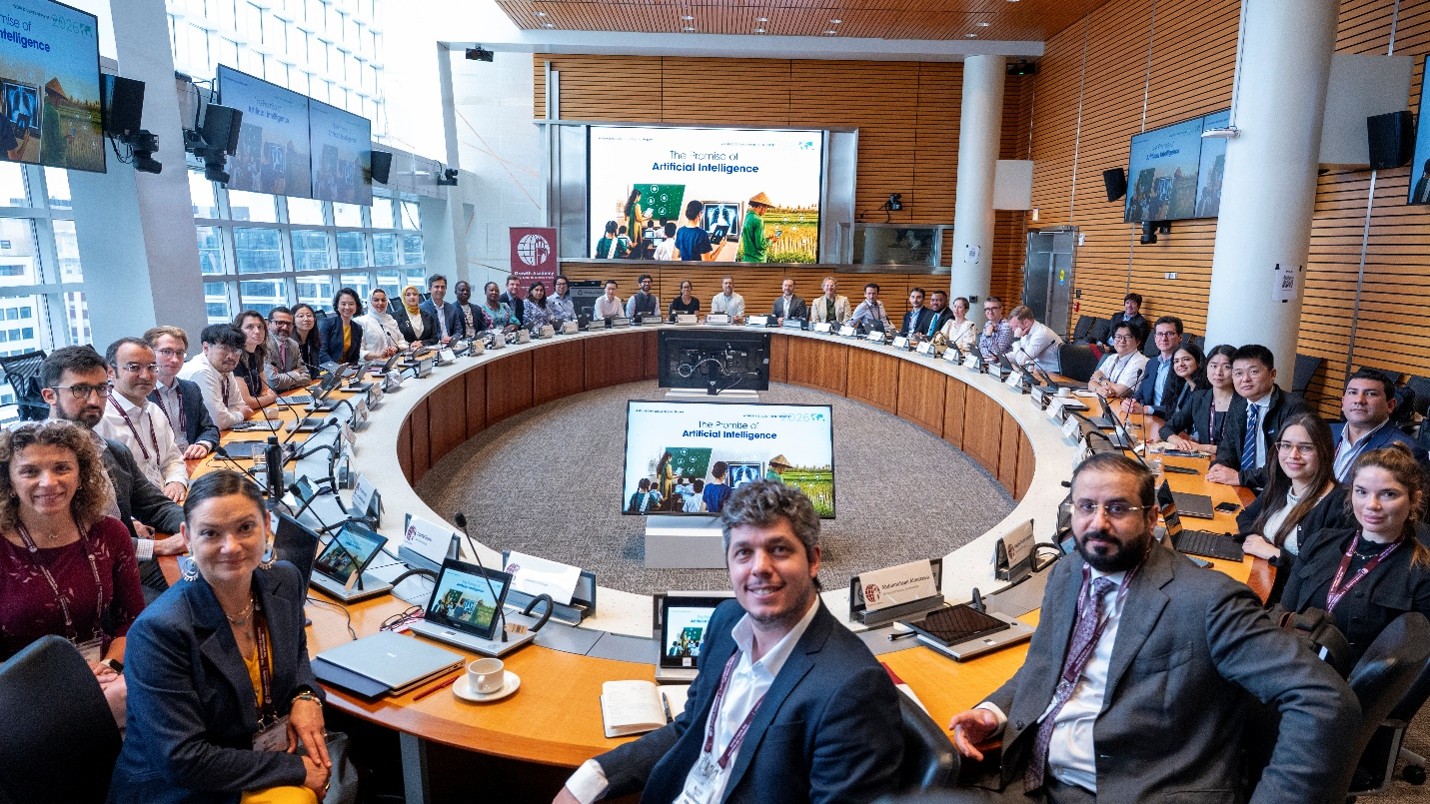
Gaurav Nayyar, Director of the World Development Report, 2026, examined AI’s potential to address complex development challenges, including through more useful weather information for farmers and improved medical imaging. But the message was not that developing countries should compete in an expensive race to build frontier AI models.
Their larger opportunity lies in adaptation: using AI to meet local needs, work in local languages, and complement domestic institutions, data, and skills. Ufuk Akcigit, added a firm-level perspective through the BReady4AI Index. He showed that smaller businesses can be eager users of AI, particularly when they cannot afford to hire additional staff. Yet limited knowledge, privacy concerns, and unreliable infrastructure can constrain adoption. The implication is that AI readiness must extend beyond national strategies to practical support that helps firms use the technology productively.
The final session was an extension of the discussion started on Learning from Lending, Somik Lall drew on the World Bank Group’s long operational history to better understand how infrastructure investments perform across different country contexts. Using project-level evidence on economic returns, institutional conditions, and implementation performance, the presentation examined the factors associated with stronger development outcomes and how this learning can inform future operations.
A practical agenda for durable growth
The Growth Academy did not offer a single blueprint for growth. It advanced a practical agenda: enable productive firms to grow, preserve competition, build the skills and institutions that allow technology to spread, mobilize capital through credible rules, and use evidence to refine policy and implementation.
For the policymakers, researchers, and practitioners who gathered through the Growth Academy, the enduring lesson was that durable growth depends not only on sound ideas, but on the capacity to adapt them to local realities and deliver results.