
Issue 6: Advancing women’s economic participation is key for growth and job creation
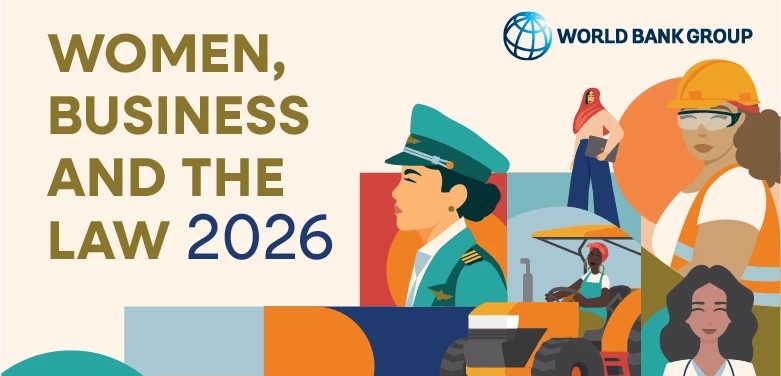
Women are half of the world’s population, but only half of women are in the workforce, and their rights are enforced only half of the time. No economy can run at full strength while half its people live at half their potential. By embracing legal gender equality, countries can unlock the full potential of their population, leading to economic growth. Closing the gender gap in employment and entrepreneurship could raise the global gross domestic product by more than 20 percent. Women, Business and the Law 2026 is a World Bank global study that assesses the enabling environment for women’s economic opportunity across 190 economies. This year’s report further expands its scope beyond measuring laws (de jure) to present a consolidated framework built on three pillars: legal frameworks, supportive frameworks, and enforcement perceptions (de facto). It provides comprehensive data for each pillar across 10 key topics shaping women's access to jobs and entrepreneurship. Read the main policy messages, listen to the podcast with key highlights, or use AVA to explore data and insights from the report.
More Research and Data Insights
Our latest curated research, data, and expert insights.
Industrial Policy for Development
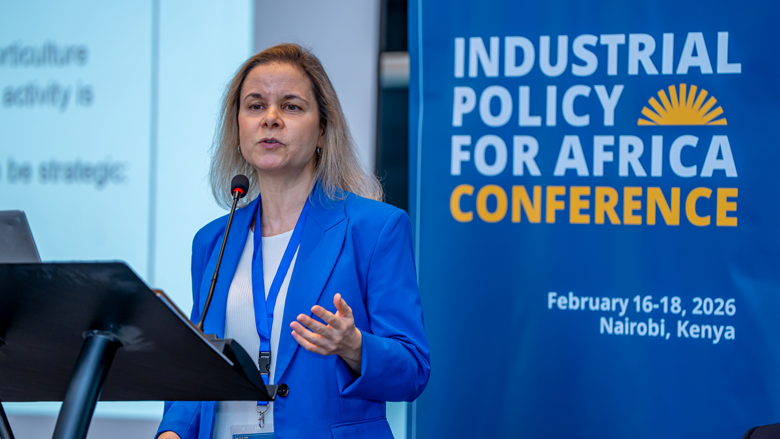
The Industrial Policy for Development report offers the first comprehensive guide to industrial policy for development in the 21st century. It covers 15 policy tools, well beyond tariffs and subsidies, and provides practical guidance on design and implementation. The report draws on new evidence from more than 60 economies and identifies targeted approaches for governments to pursue specific goals.
Takeaways from the Industrial Policy for Africa Conference: Industrial Policy in Africa Needs Systems, Scale, and State Capacity
More on industrial policy:
- Productivity & Structural Transformation: The Case of Industrial Policy in Africa
- Industrial Policy in Action: Morocco’s Path toward Green Competitiveness
- From Trade Integration to Industrial Transformation: The AfCFTA Agenda
The Global Jobs Challenge
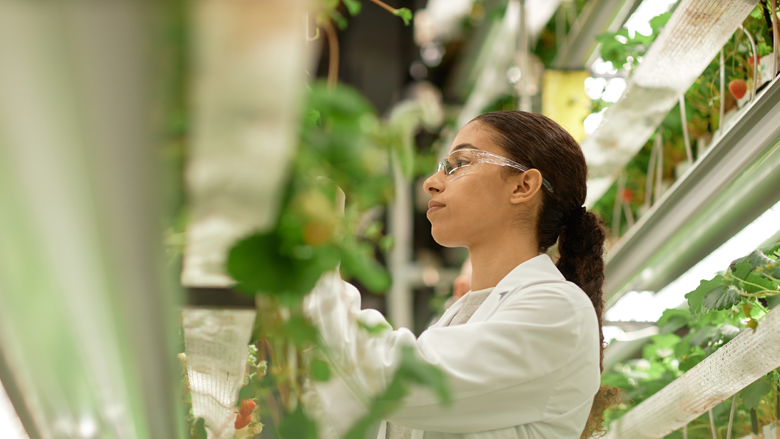
The Global Jobs Challenge brief highlights three policy pillars essential for job creation: foundational infrastructure, a business-friendly environment, and mobilization of private capital. It focuses on five sectors with high potential for job creation: infrastructure, agribusiness, healthcare, tourism, and value-added manufacturing. The brief also provides an overview of the job-creation potential of agribusiness and energy, based on discussions at the 2025 Africa Growth and Opportunity: Research in Action Conference (AGORA 25). Read the brief and watch the presentation here.
Expert Insights
The right way to do industrial policy

Industrial policy is not a magic bullet. But done right—with the right tools, capacity, and commitment to fundamentals—it can give economies an edge. In his new blog, World Bank Chief Economist Indermit Gill draws on the Industrial Policy for Development report to show how governments can get it right. Read more.
The post-pandemic recovery: Stronger than expected, but not for everyone
The global economy has staged a remarkably strong recovery from the pandemic, but it has been deeply uneven. Ayhan Kose, Deputy Chief Economist of the World Bank Group; Jiwon Lee, World Bank Economist; and Naotaka Sugawara, World Bank Senior Economist; outline how recovery has been weaker from some countries and the impact on job creation for rapidly expanding young populations. Read more.
Gender equality is smart economics

Closing the gender activity gap could raise GDP by up to 20%. Yet many economies still hold women back in law and practice. Tea Trumbic, Program Manager of the Women, Business and the Law project; and Norman Loayza, World Bank Global Indicators Group Director; provide data-driven insights from the new Women, Business and the Law 2026 report. Read more.
AI-powered Insights
Explore the latest development research and data with our exclusive AI tools.
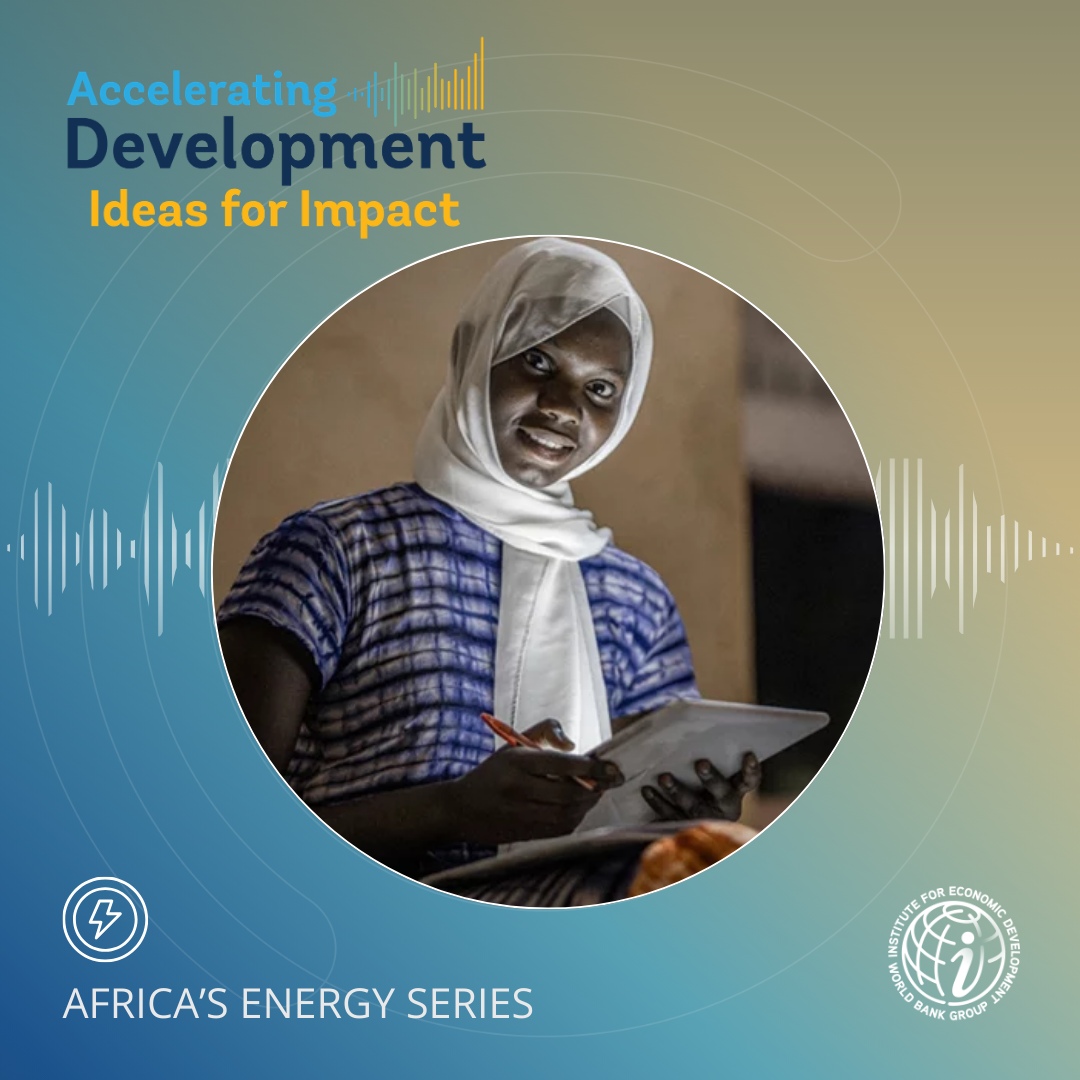
We are pleased to introduce two new series: Monitoring, Managing, and Markets: Tools for Clean Air, and Research Currents: Africa’s Energy. Listen to the first episodes of these series:
- Monitoring, Managing, and Markets: Tools for Clean Air Monitoring
- Research Currents: Africa’s Energy – When the Lights Stay Off
Subscribe to this podcast on: Spotify, Apple Podcasts or Amazon Music. Also available in Spanish, French, Arabic, Portuguese, Hindi, and Chinese.
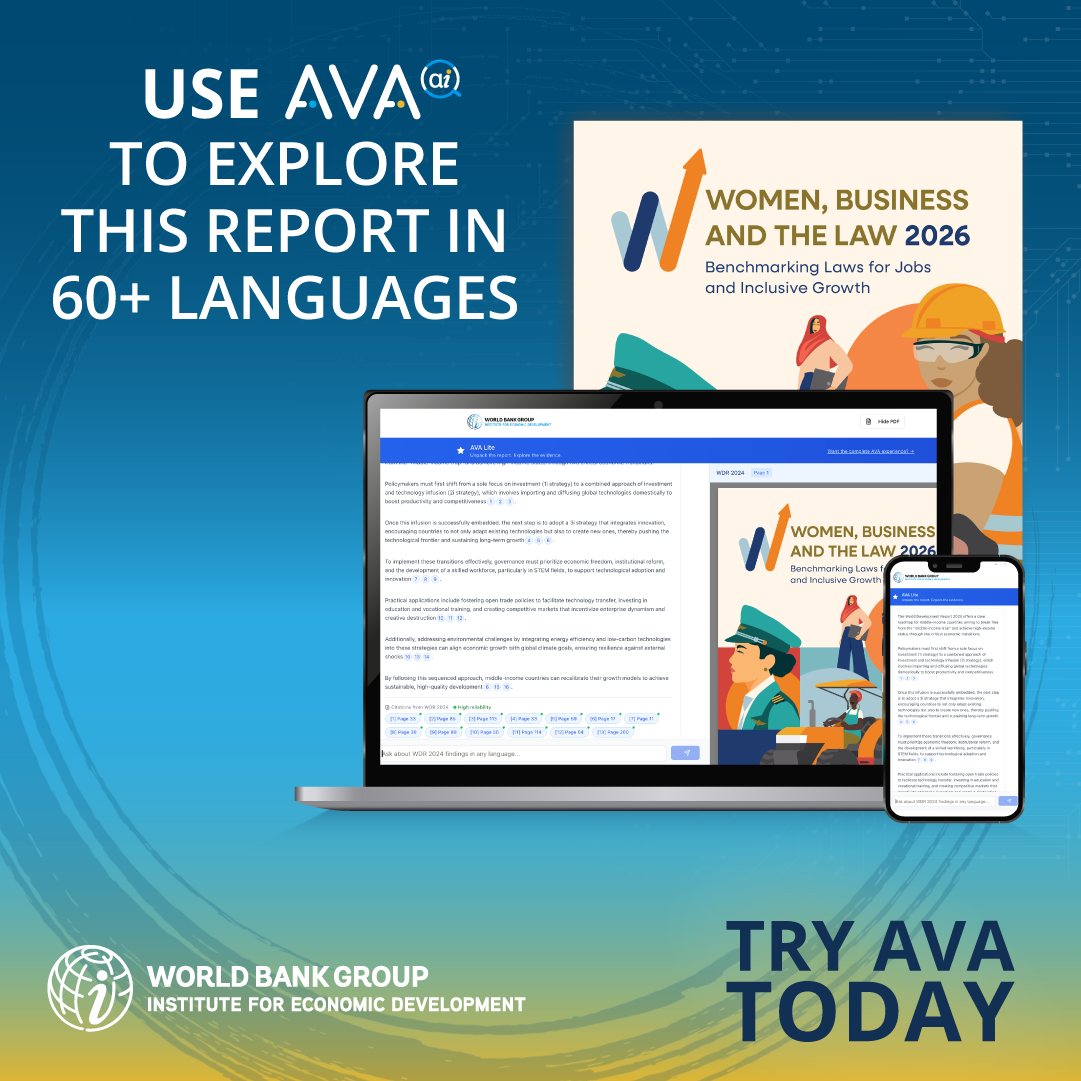
AVA, our AI research tool, features more than 4,000 World Bank reports and is fluent in 60+ languages. It curates, synthesizes, and cites verified evidence. Its new features let you draft briefs, analysis and presentations, or create data charts and infographics - all in your own language. Try AVA to explore the latest research using the chatbot button on these pages:
- Women, Business and the Law 2026
- Global Economic Prospects 2026
- World Development Report 2025: Standards for Development
- International Debt Report 2025
AGORA in Motion
Follow up content and engagement with our partners
World Development Report 2026 Regional Consultation in Africa
March 18, 2026
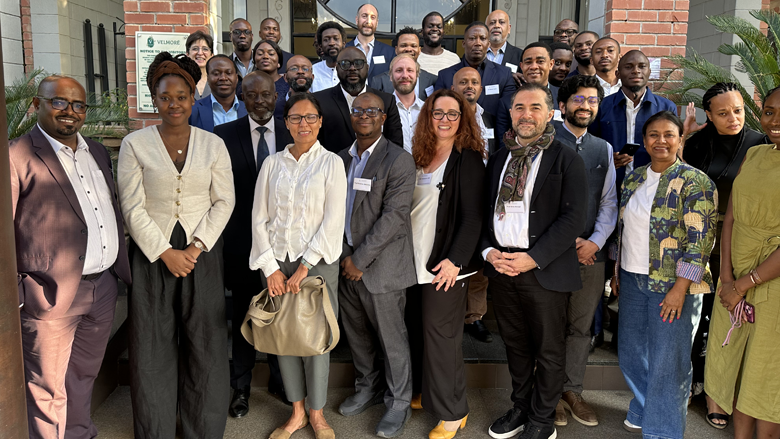
The Institute for Economic Development and the African Institute of Data Science and Artificial Intelligence (AfriDSAI) at the University of Pretoria hosted a consultation of the upcoming World Development Report 2026: Artificial Intelligence for Development. The consultation convened regional experts and representatives from the government, academia, and private sector to provide inputs on how AI is shaping development trajectories across Africa. Read more.
Standards for Development – The Evolving Landscape of Global Standards: Implications for Agrifood Systems
March 2, 2026
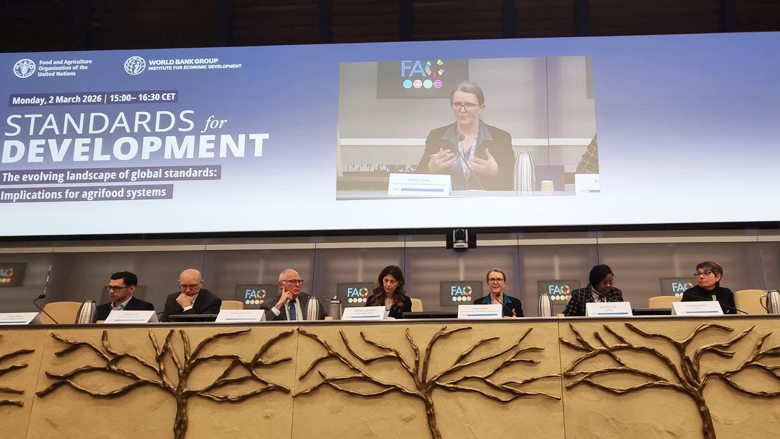
The Institute for Economic Development and the Codex Secretariat hosted an event to discuss the World Development Report 2025: Standards for Development and the implications for agrifood systems. Follow-up consultations will help develop a companion report with a focus on Africa. We greatly welcome your insights on standards and agrifood systems to ensure that this report is useful for policymakers and practitioners. Send your feedback.
Listen to the podcast: One Apple, Fifteen Rules: How Agrifood Standards Shape Markets. See the speakers' insights and watch the event replay here.
Industrial Policy for Africa Conference
February 16, 2026
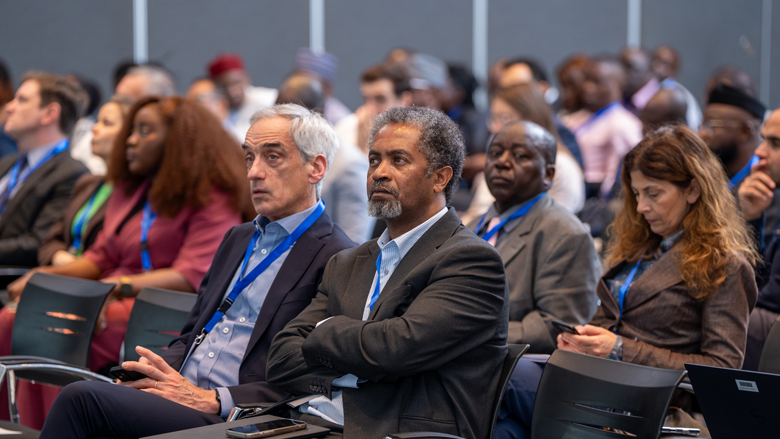
The Institute for Economic Development, the African Economic Research Consortium (AERC), the Structural Transformation and Economic Growth (STEG) Program, and the International Growth Center (IGC) hosted a research conference in Nairobi to explore the role of industrial policy in Africa’s economic transformation. The conference brought together leading researchers from the region who shared fresh insights and perspectives on industrial policy. Watch the keynotes and read more.
Rwanda’s Power Push Enters a More Complex Phase
January 21, 2026
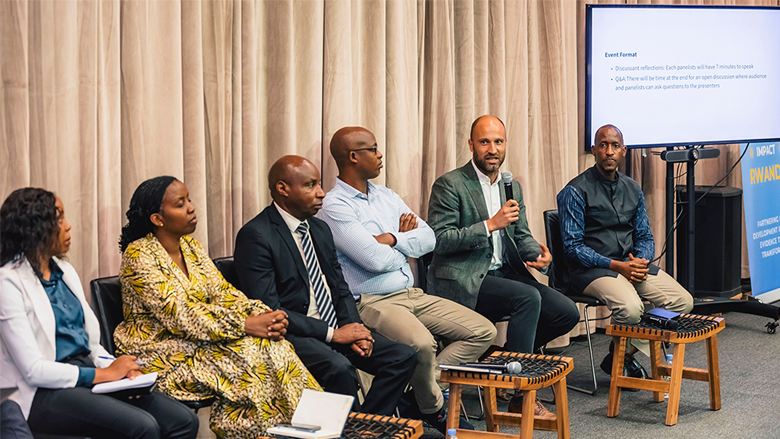
The Institute for Economic Development supported a roundtable in Kigali that brought together government officials, energy planners, researchers, financiers, and private sector providers to discuss Rwanda’s drive to expand electricity access. The exchange focused on the recent research and how electricity can create economic activity even where infrastructure is limited. Read more.
African Trade and Investment for Global Resilience
January 13, 2026
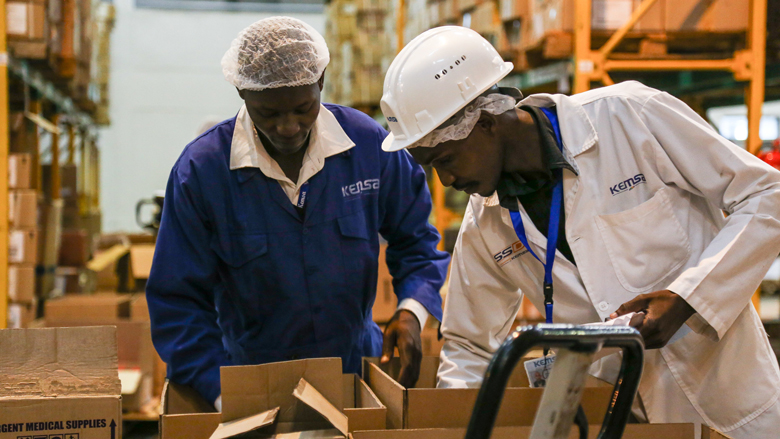
This Policy Research Working Paper, based on the Mattei Lecture by Ngozi Okonjo-Iweala, Director-General of the World Trade Organization, at the 2025 Africa Growth and Opportunity: Research in Action conference, argues that Africa can anchor a new model of growth—and bolster global resilience—by shifting from commodity dependence to value-added production and deeper integration into trade and investment networks. Read more.
More about AGORA in Motion
News & Updates from our Activities
The latest news from our work and our partners.
News and Announcements
New AgriConnect Knowledge Series: Improving Jobs and Income in Agriculture
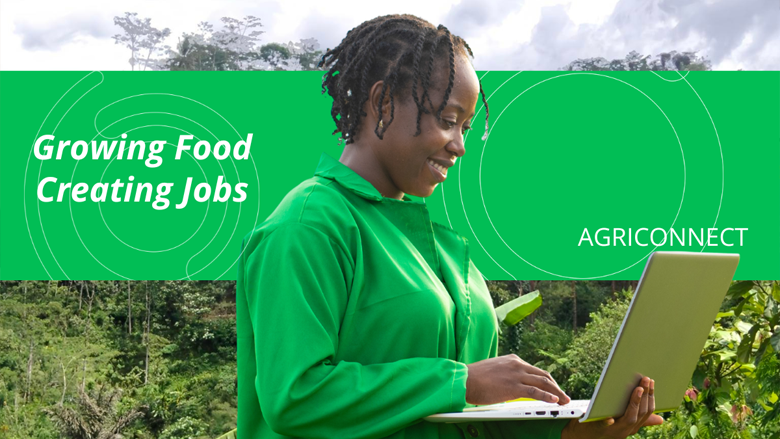
The Institute for Economic Development is partnering with AgriConnect—a World Bank Group initiative to transform smallholder farming, create jobs, and strengthen global food security—to launch a new knowledge series designed to bring the latest evidence directly into the design and implementation of agriculture projects. Through focused, practitioner-oriented discussions, the series highlights what works, what scales, and where key gaps remain. Read more.
Industrial Policy in Africa Needs Systems, Scale, and State Capacity
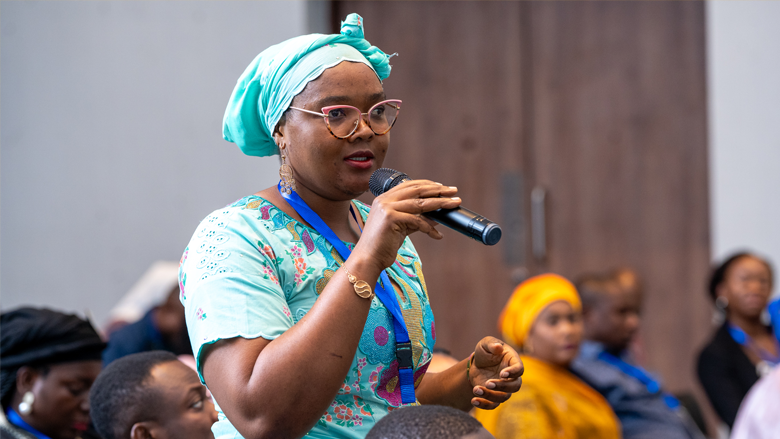
What would it take for industrial policy to deliver growth, jobs, and productivity today? In Africa, this question carries high stakes: an industrial policy that must work in tighter fiscal space, deep infrastructure and technological gaps, large informal labor markets, and fast-growing youth populations. Industrial policy in Africa will deliver when it's built as a coordinated system so firms can invest, learn, grow, and create jobs. Read more.
Who Writes the Rules? The Move to Give Developing Countries a Seat at the Standards Table
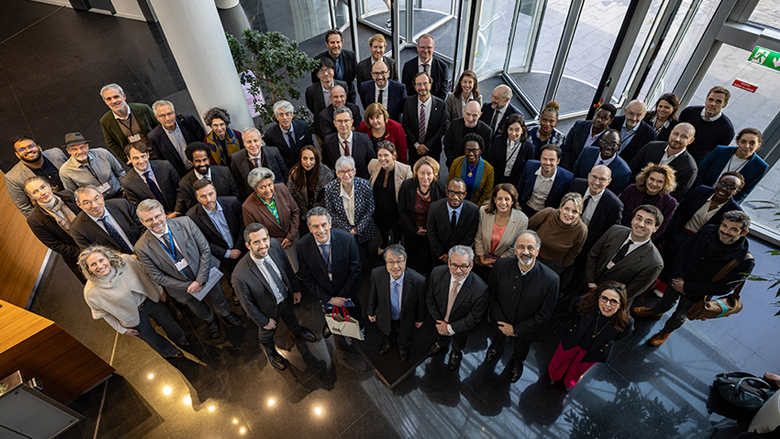
International standards—rules governing product quality, safety, and trade—are largely shaped by wealthier countries, leaving developing nations with little influence over decisions that directly affect their economies. Giving these countries a stronger voice can improve productivity, support economic growth, and ensure global rules better reflect diverse development needs. Read more.
Clear Reform Priorities for Productivity-Led Growth in Asia
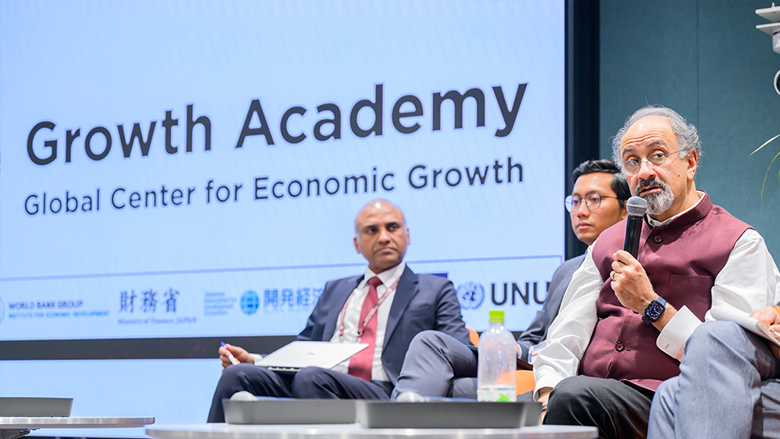
How can Asian economies achieve sustained, productivity-led growth? Policymakers, researchers, and development practitioners who joined the Growth Academy in Tokyo discussed how countries must pursue tailored reform agendas that prioritize firm productivity, efficient resource allocation, and the adoption of technology and skills to help countries avoid the middle-income trap and transition to higher-income status. Read more.
Upcoming Events
Beyond the Narratives: What the IDR 2025 Data Reveal About Debt in Low- and Middle-income Countries
March 30, 2026
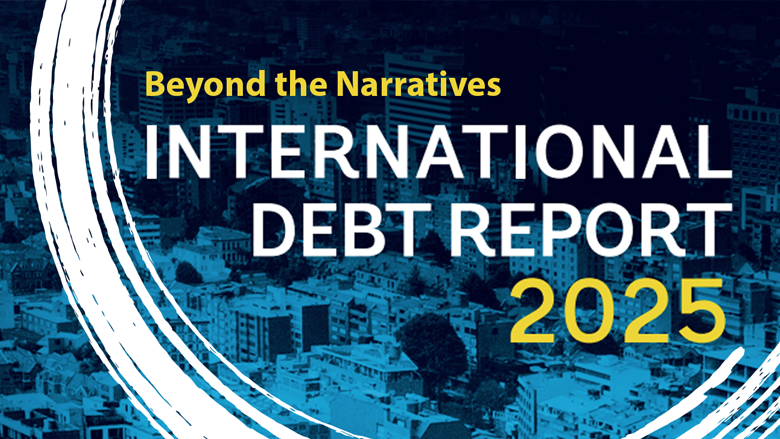
Join us for an in depth presentation that moves beyond the headlines to explore what the International Debt Report 2025 truly reveals about debt dynamics in low and middle income countries. Grounding the discussion in granular IDR data, the session will highlight how evolving financing patterns, higher interest burdens, and uneven access to concessional resources are reshaping debt sustainability and why stronger transparency and better data remain essential for informed policy decisions. Read more.
World Development Report 2025: Standards for Development Dissemination Event in Tokyo
April 9, 2026

The Institute for Economic Development, in partnership with the Japan International Cooperation Agency (JICA) and the Japanese Industrial Standards Committee (JISC), is organizing a presentation of the World Development Report 2025: Standards for Development in Tokyo to explore the report's key themes, including the performance gap that standards can create, the compliance burden on firms, and the underrepresentation of low- and middle-income countries in shaping the international standards they must follow. Read more.
Japanese Association of Development Economics (JADE) Annual Conference
April 11, 2026
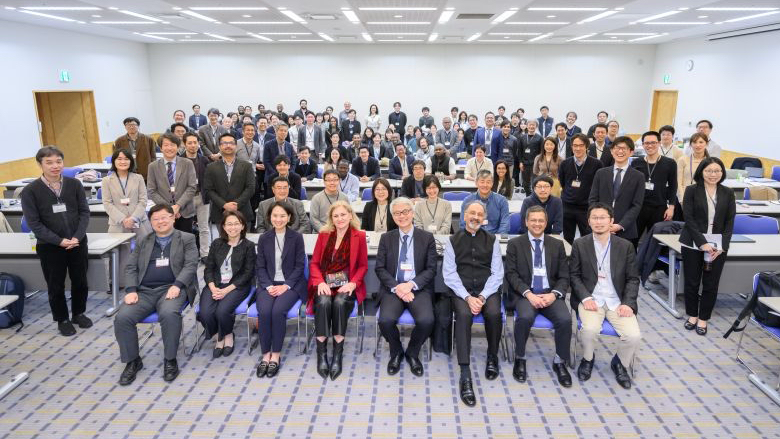
The Institute for Economic Development will host a special session at the Japanese Association of Development Economics (JADE) Annual Conference in Kyoto to present findings from the World Development Report 2025: Standards for Development. The JADE conference brings together leading academics to explore key issues in development economics, political economy, and social transformation. Read more.
World Development Report 2026 Regional Consultation in Europe
April 14, 2026

The Institute for Economic Development and the Fondazione Bruno Kessler will host a virtual consultation of the upcoming World Bank World Development Report 2026: Artificial Intelligence for Development. The consultation will include roundtable sessions organized around the core themes from the report and will convene regional experts and representatives from the government, academia, and private sector to provide inputs on how AI is shaping development in Europe. Read more.
Mend the Gap in Economic Opportunities in Europe and Central Asia: Second Edition
May 14, 2026
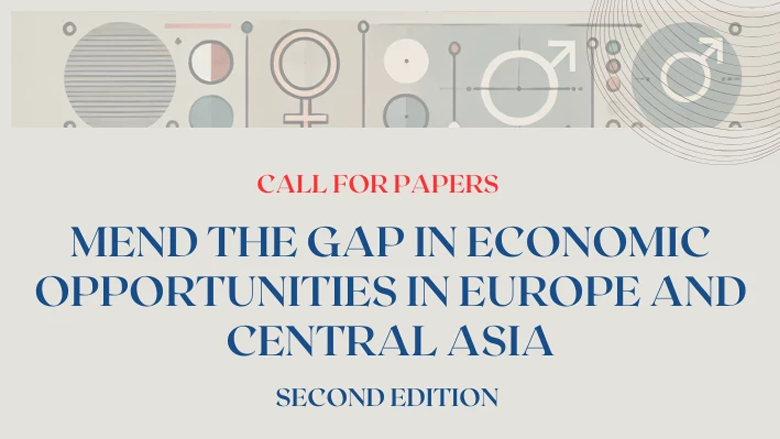
The Institute for Economic Development, the Axa Gender Lab at Bocconi University, the Einaudi Institute for Economics and Finance (EIEF), the World Bank's ECA Gender Innovation Lab (ECAGIL), and the Center for Research on Women and Jobs (CRWJ) are organizing the second edition of the workshop Mend the Gap in Economic Opportunities in Europe and Central Asia. The event will host evidence-based policy dialogues on strategies to promote women’s economic empowerment, labor market participation, and entrepreneurship. Read more.
Recent Events
Tokyo LEADS [Learn. Adapt. Scale.]
January 27, 2026
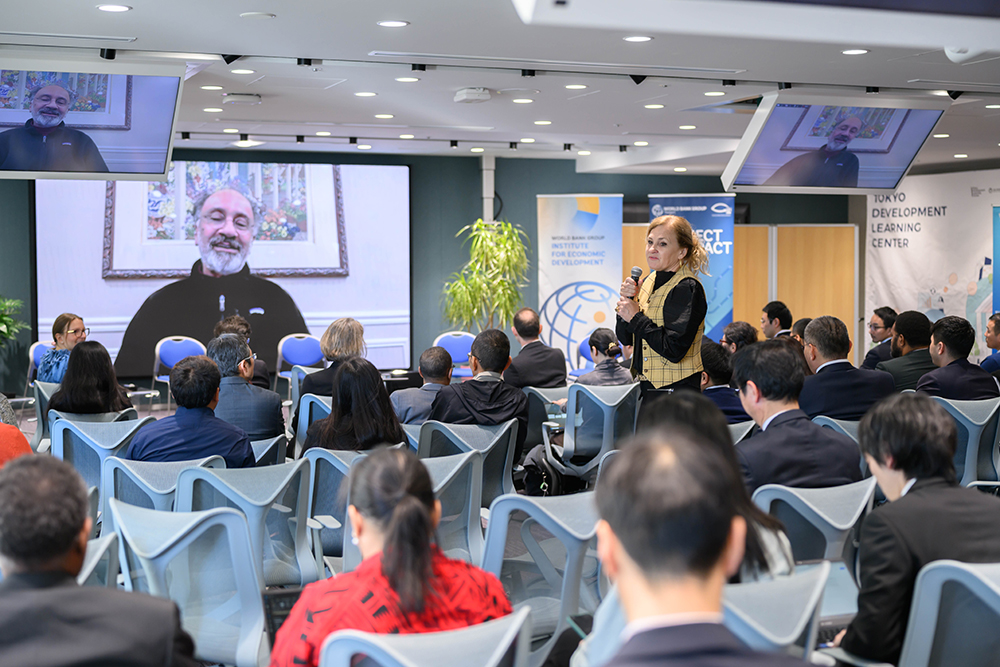
The Institute for Economic Development in partnership with the Japan International Cooperation Agency (JICA) and the Asian Development Bank (ADB) hosted a regional workshop under the World Bank’s LEADS [Learn. Adapt. Scale.] initiative. The event provided an opportunity to show how LEADS tools, methods, and evidence approaches are being extended to partner institutions to embed evidence and adaptive learning across development programs. Read more.
Learning Opportunities
Check out our latest knowledge resources and learning opportunities.
Upskilling Smallholder Farmers
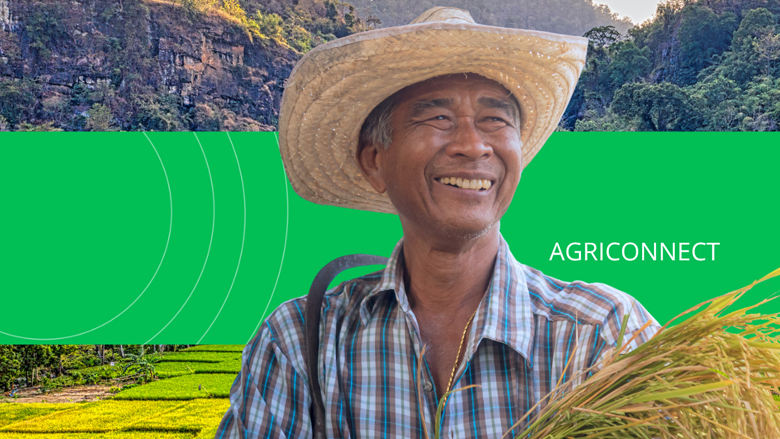
How to design effective systems that support farmer learning and the adoption of new technologies? This webinar, the first offering under the new AgriConnect Knowledge Series, examines evidence on extension services, training methods, and peer learning that accelerate adoption. Watch the webinar.
Using Evidence to Improve Jobs and Income in Agriculture

This course provides practical, evidence-based guidance for designing effective agricultural interventions. It translates rigorous research into actionable recommendations across key areas, including extension systems, input subsidies, irrigation, climate resilience, and market access. Register for this online, self-paced course. Register here.
Masterclass: Designing Scalable Evidence-Based Solutions for Better Jobs in Agriculture
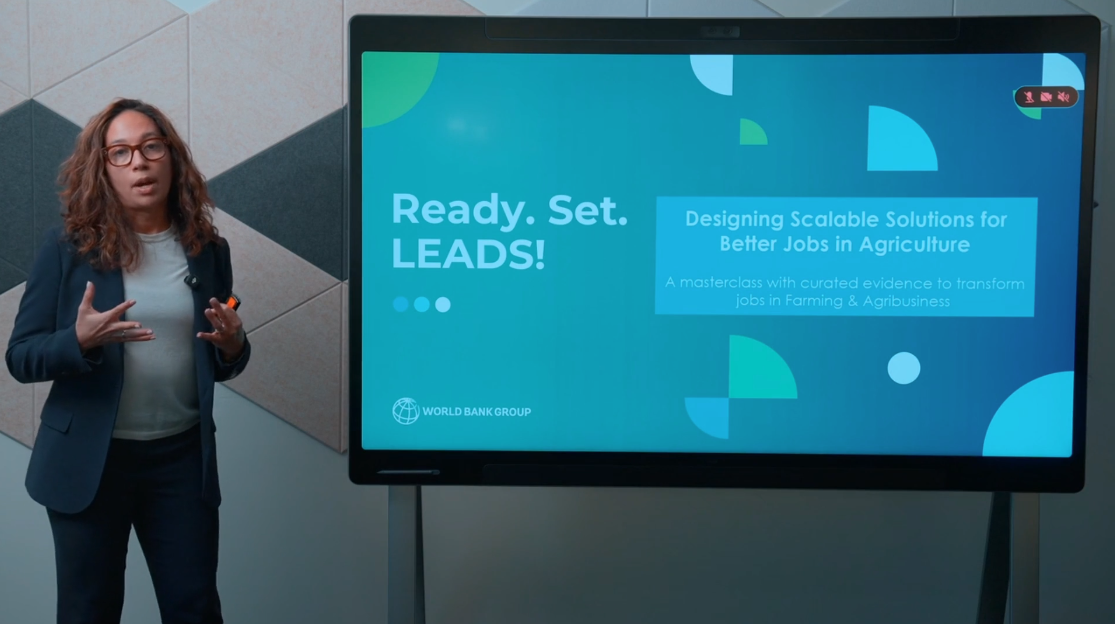
This masterclass provides a clear framework for adapting global evidence to local contexts and for scaling proven approaches that deliver lasting impact. It covers upgrading farmer skills, repurposing input subsidies, ensuring irrigation infrastructure delivers, securing better prices for farmers and fostering resilience. Watch it here.
Explore additional learning opportunities.
Subscribe to our mailing list to receive the Ideas for Impact newsletter directly in your inbox.