Image

Since the outbreak of war on February 28, 2026, ship transits through the Strait of Hormuz have fallen by roughly 95 percent. The consequences are global: historic highs in energy prices, cascading cost increases in fertilizers, aluminum, and petrochemicals, and disruption of production and trade. For the World Bank Group's client countries, this shock risks undoing years of hard-won development progress.
World Bank Group research points to three policy imperatives:
- Safeguard jobs and income today
- Prevent serious food shortages tomorrow
- Protect the vulnerable from immediate suffering and longer-term loss of human capital.
Featured Content
Explore the latest research insights from our experts.



Key Policy Messages
Click on each card to see the policy recommendations.
Today: Protect Jobs and Incomes
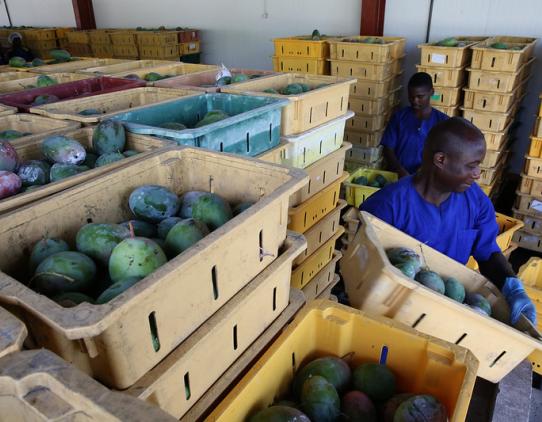
Today: Protect Jobs and Incomes
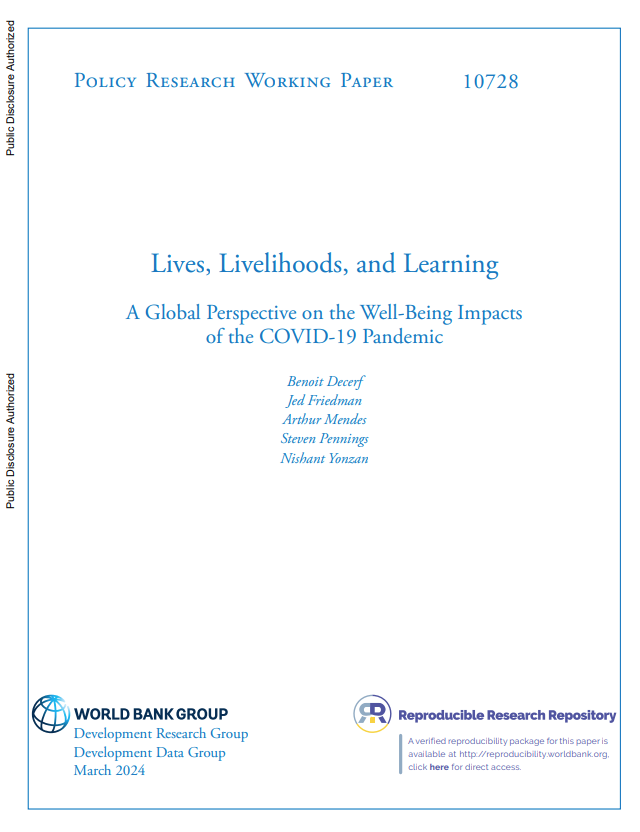
- In the hardest-hit sector of each affected country, workers face real average wage losses of up to 7.5 percent.
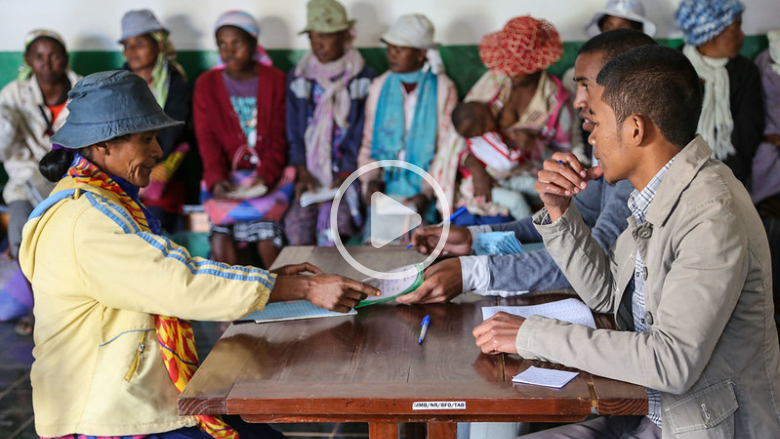
- The policy priority must be to cushion workers' incomes now. According to the Global Findex, nearly half of adults in low- and middle-income Arab economies say they would find it difficult or impossible to access emergency money.
- Governments should resist the temptation of economy-wide subsidies or price controls.
For tomorrow: Act Now to Prevent Serious Food Shortages
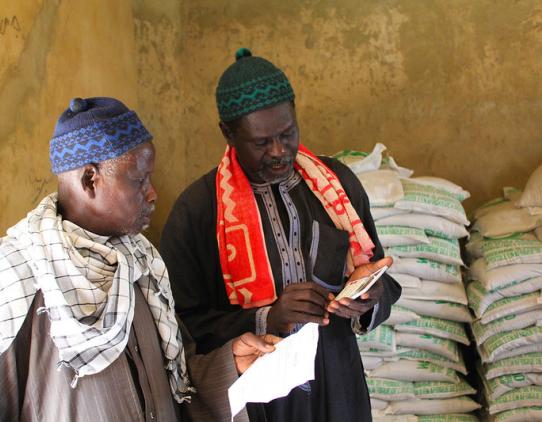
For tomorrow: Act Now to Prevent Serious Food Shortages
Two levers exist to mitigate a potential crisis:
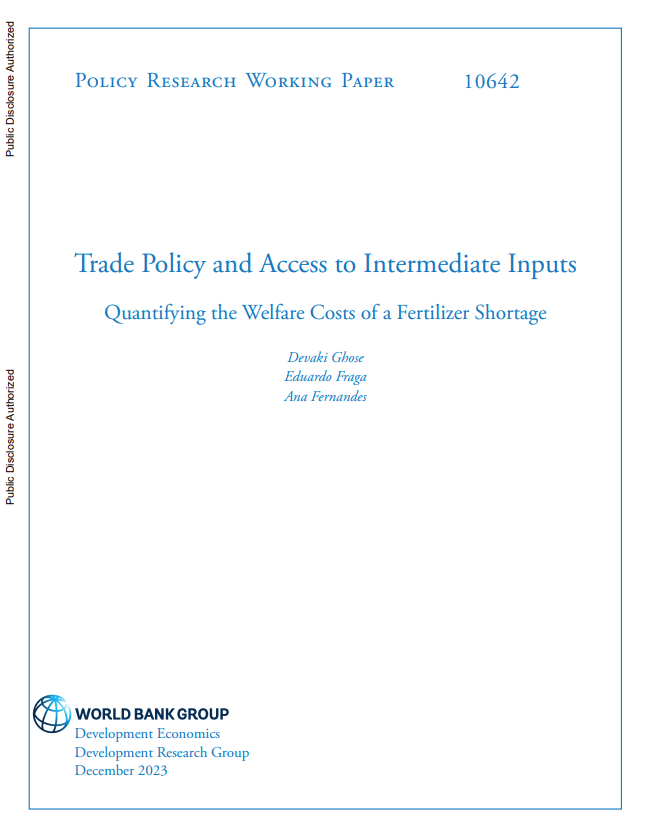
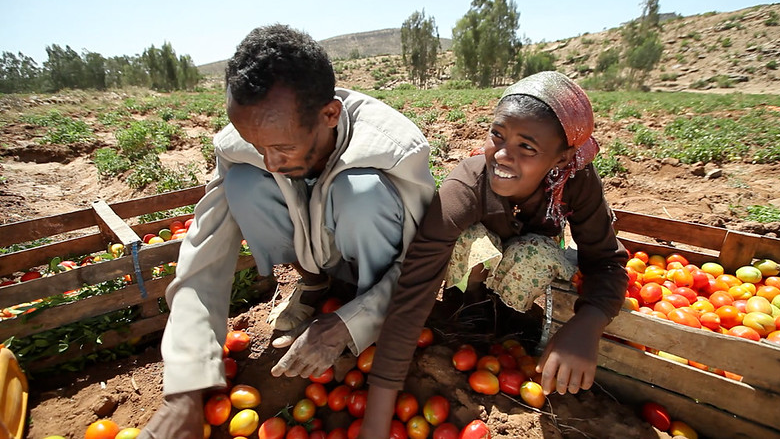
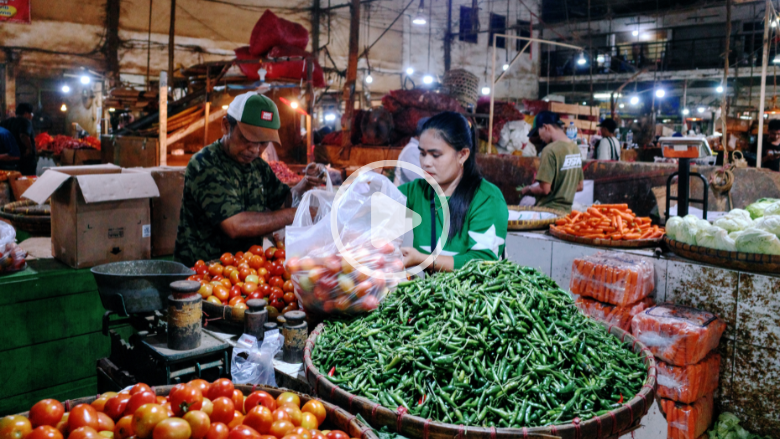
- Expand aggregate food supply where feasible. Explore whether and how agricultural output can be maintained (e.g. through reallocation towards less fertilizer-intensive crops and methods).
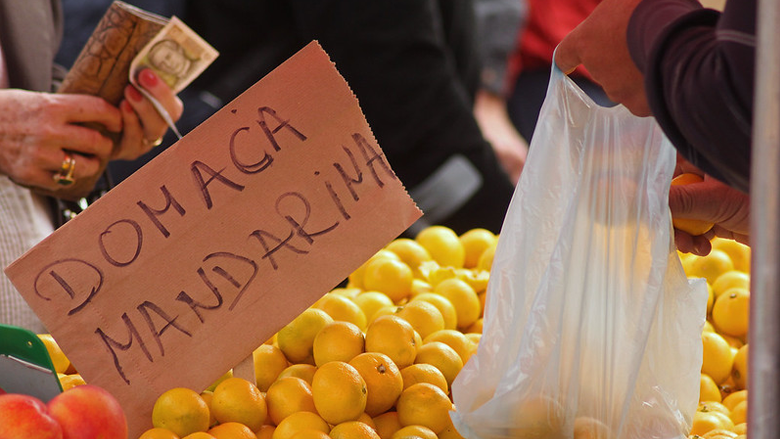
- Improve the infrastructure to ensure adequate access to food for the vulnerable. Well-targeted cash transfers through existing social protection platforms allow households to purchase food while avoiding market distortions and administrative burdens of in-kind distribution. Where such transfers are not feasible, subsidizing staple crop consumption can help protect the poor.
For the Future: Protect the Vulnerable from Loss of Human Capital
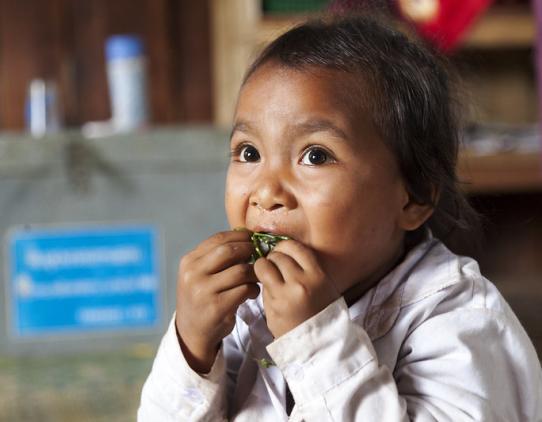
For the Future: Protect the Vulnerable from Loss of Human Capital
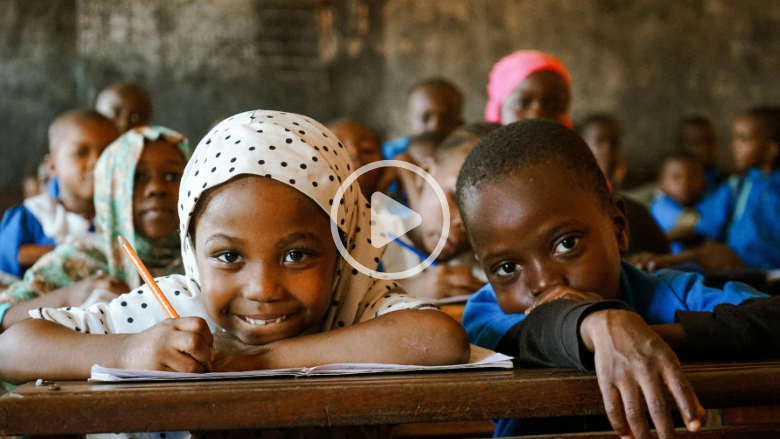
- The best way to help vulnerable people keep their health, skills, and education is to give them targeted support and help across different areas at once. Programs that can be expanded easily—like online tutoring—have been shown to be a low-cost way to reduce learning loss during conflicts.
- Policies should include mental-health support that recognizes trauma and make sure that children stay connected to school, healthcare, and nutrition programs.
The ACT Framework

The ACT Framework
ACT: Appraise, Cushion, and Tackle:
- A: Appraise the situation by assessing both the aggregate and distributional impacts of the trade disruption.
- C: Cushion the vulnerable from the shock to their human capital and income.
- T: Tackle the fallout by preventing amplification and limiting the adverse spillovers to other sectors. Governments have a vital role in protecting people from income losses, price shocks, and broader economic disruption. Yet, poor policy choices can make a bad situation worse.