June 16, 2026 - June 17, 2026
 Washington, D.C. | Online
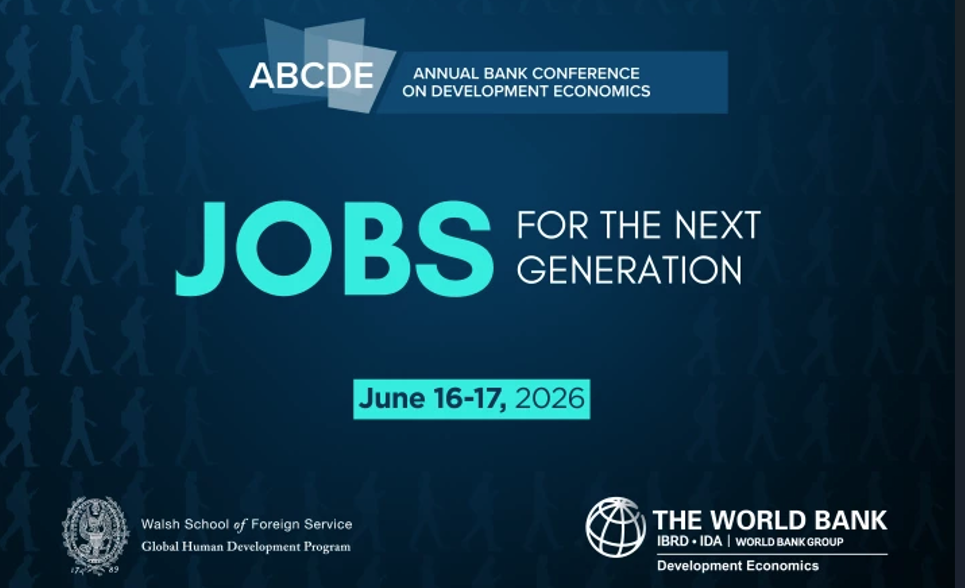
ABCDE 2026: Jobs for the Next Generation
Download the new report The Global Jobs Challenge.
A historic demographic tide is rising across the developing world—and it could define the global economy for generations to come. Over the next 25 years, countries across Sub-Saharan Africa, South Asia, and the Middle East—will see an unprecedented surge in their working-age population. Never before have so many people entered the labor force in such a short span of time.
This wave of workers could become one of the great economic opportunities of the 21st century. With the right policies, it could unlock faster growth, greater innovation, and higher living standards across wide swaths of the world. By the same token, failure to seize the opportunity could fuel social unrest and instability that will inevitably transcend national borders. The difference hinges on a single word: jobs. If economies can generate them in abundance, the world will gain its much-needed demographic dividend.
The 2026 Annual Bank Conference on Development Economics on "Jobs for the Next Generation" explored the global jobs challenge head-on. The conference—scheduled for June 16–17, 2026, was organized by the World Bank in partnership with Georgetown University. It brought together some of the world’s leading economic thinkers, to examine what works, what does not, and what must change. It explored how to accelerate growth that generates more and better jobs, how to equip workers with the skills needed for tomorrow’s labor markets, and how to dismantle structural barriers that keep millions locked out of economic opportunity.
The World Bank Group’s Annual Conference on Development Economics—ABCDE—is a 37-year-old forum to stimulate an exchange of ideas between leaders in global policy discussions and researchers, policymakers, and development practitioners from the Bank’s member countries. Established in 1989 and organized by the World Bank’s Development Economics Vice Presidency (DEC), ABCDE became the premier venue for cutting-edge insights on how to tackle the most pressing challenges of development. Several younger researchers presenting papers went on to become Nobel Prize winners. The conference also played a role in shaping the global consensus on development policy.
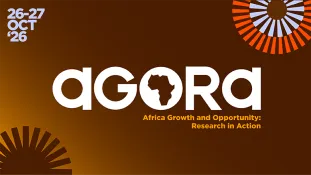
Africa Growth and Opportunity: Research in Action Conference 2026
October 26, 2026 - October 27, 2026