Africa’s Growth Challenge: Scaling Firms, Productivity, and Jobs
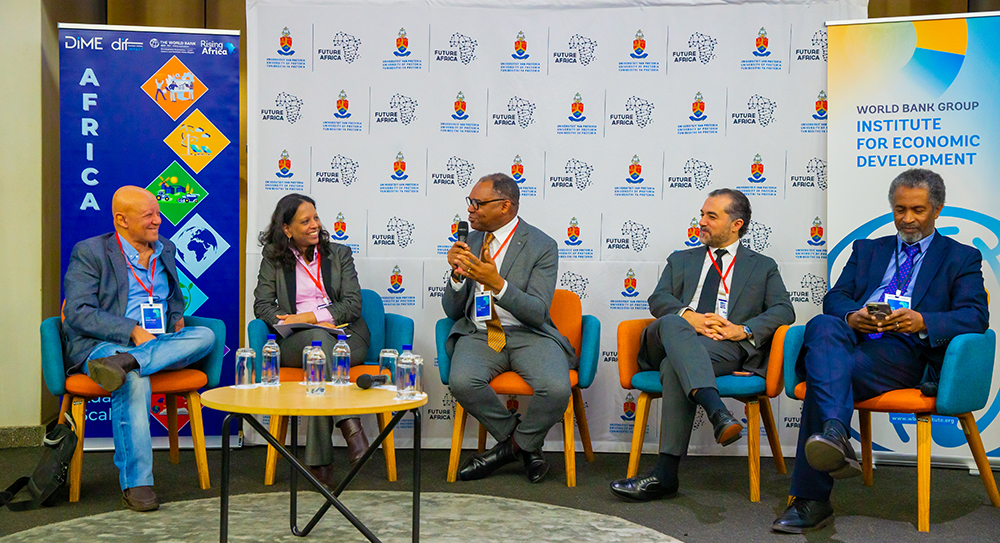
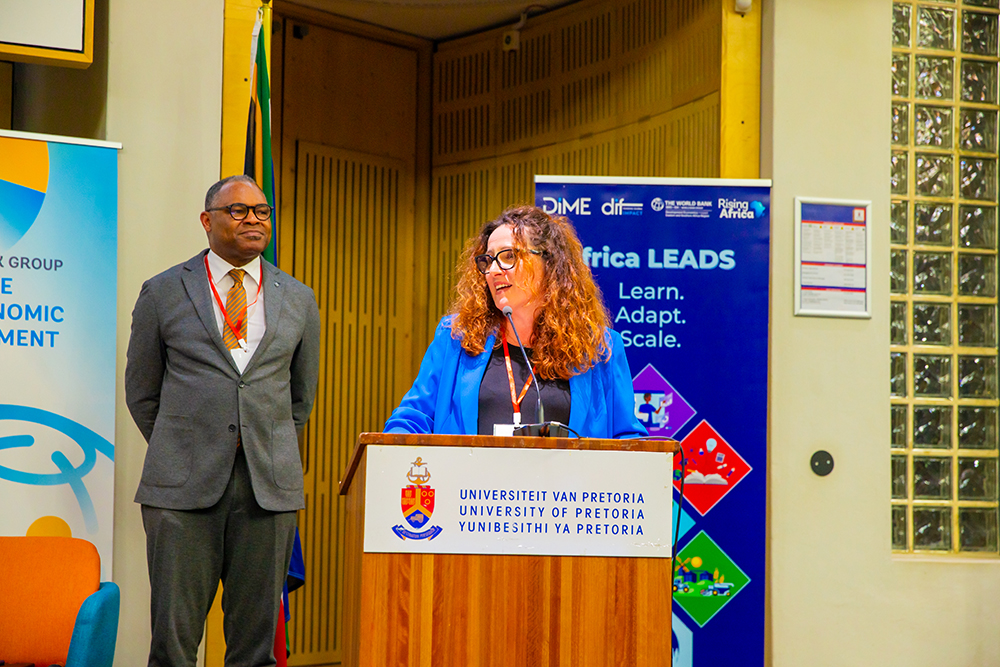
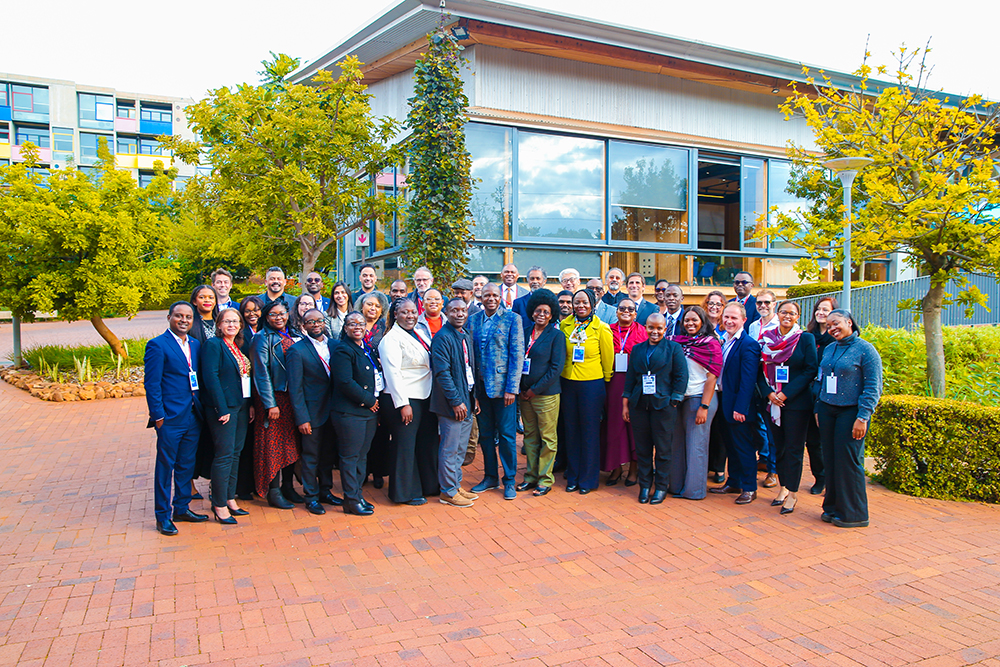
Why do some countries struggle to achieve sustained growth and job creation? In Africa, the challenge is not simply about attracting more investment — it is about turning ideas, talent, and innovation into productivity and jobs at scale. That was a central message emerging from the Growth Academy Africa: Accelerating Productivity, Jobs, and Firm Growth in South Africa, a high-level conference co-organized by the World Bank Group Institute for Economic Development, the Growth Academy, and the African Union Development Agency (AUDA‑NEPAD), with support from the Ministry of Finance of Japan through the Knowledge for Change Program. At the event, policymakers, economists, and researchers explored what it will take to unlock long-term growth across the continent.
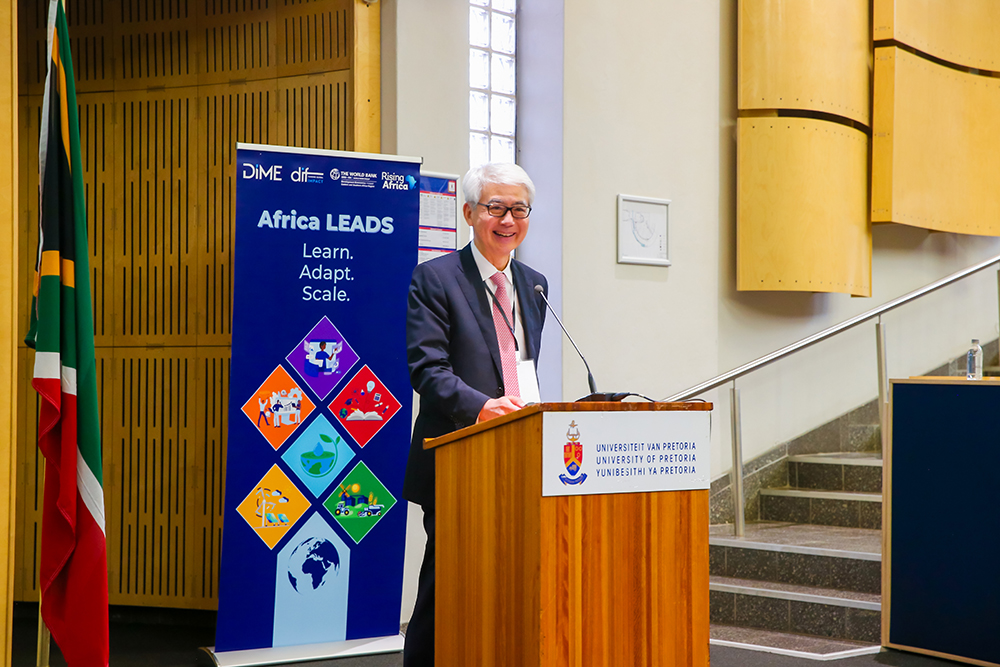
In a keynote presentation, Indermit Gill, Chief Economist of the World Bank Group and Senior Vice President for Development Economics, emphasized that many African economies already have strong entrepreneurial talent and scientific capabilities, but struggle to diffuse innovation beyond a small number of frontier firms. Growth, he argued, depends on enabling productive firms to scale, compete, and create jobs.
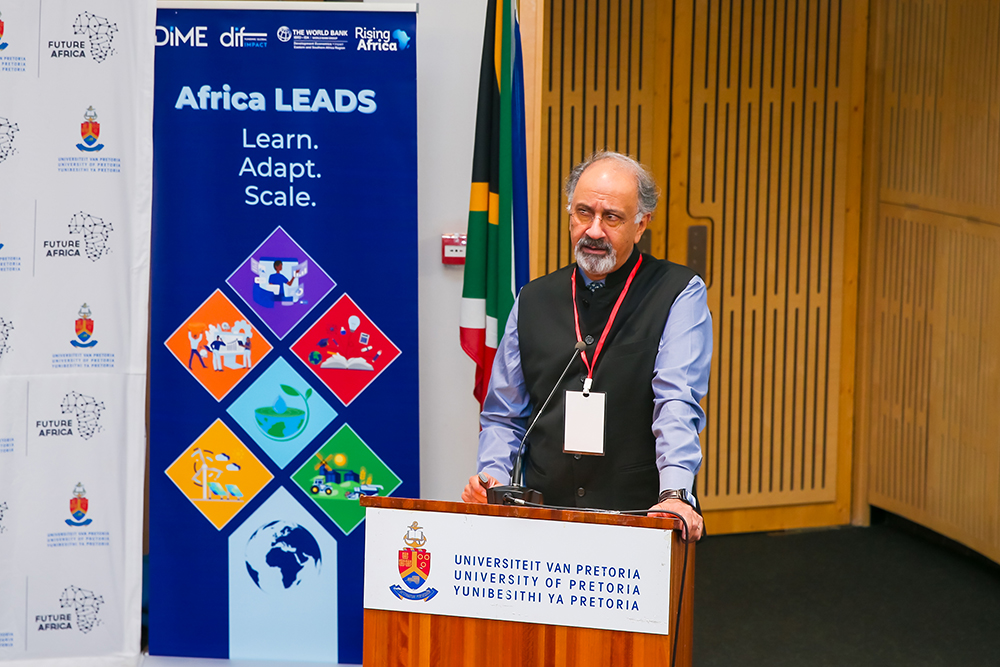
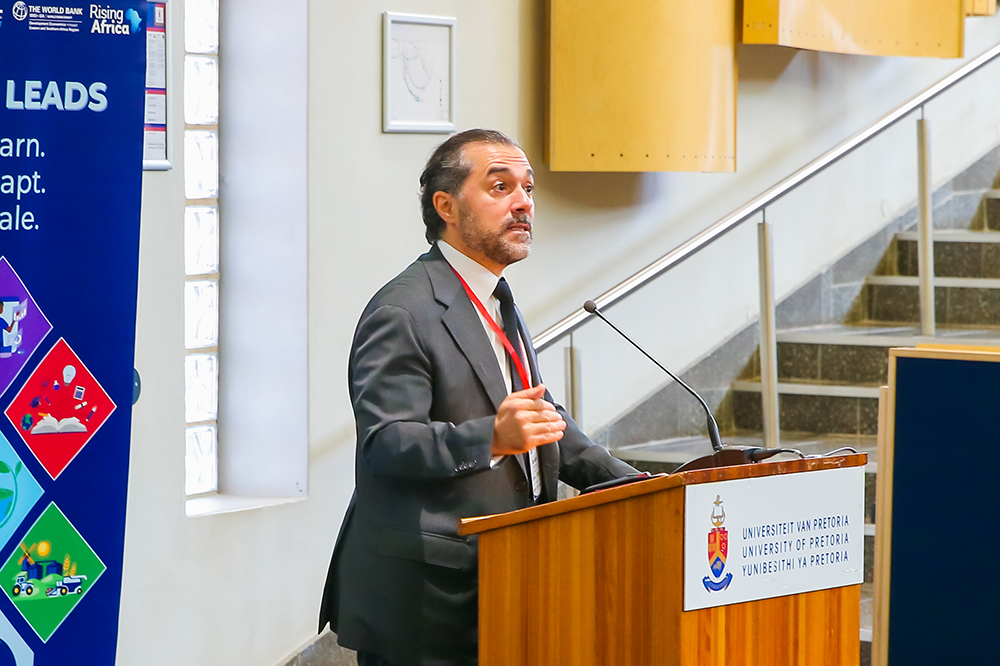
Ufuk Akcigit, Arnold C. Harberger Professor of Economics and Co-Director of the Growth Academy at the University of Chicago, reinforced this message by highlighting that the main challenge is the widespread adoption of existing technologies. He stressed the need for policies that strengthen firm capabilities, encourage competition, and support private sector–led growth.
This shift in thinking has important policy implications. Rather than focusing narrowly on attracting investment, discussions emphasized the importance of creating conditions that allow productive firms to grow, compete, and hire.
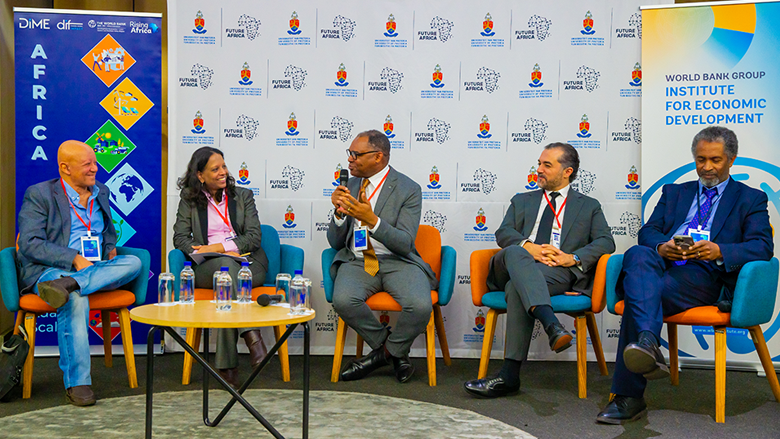
A fireside chat with Jakkie Cilliers, Chairman of the Institute for Security Studies Board of Trustees and Head of the African Futures and Innovation Program, addressed the importance of improving education, strengthening governance, and investing in energy and digital infrastructure.
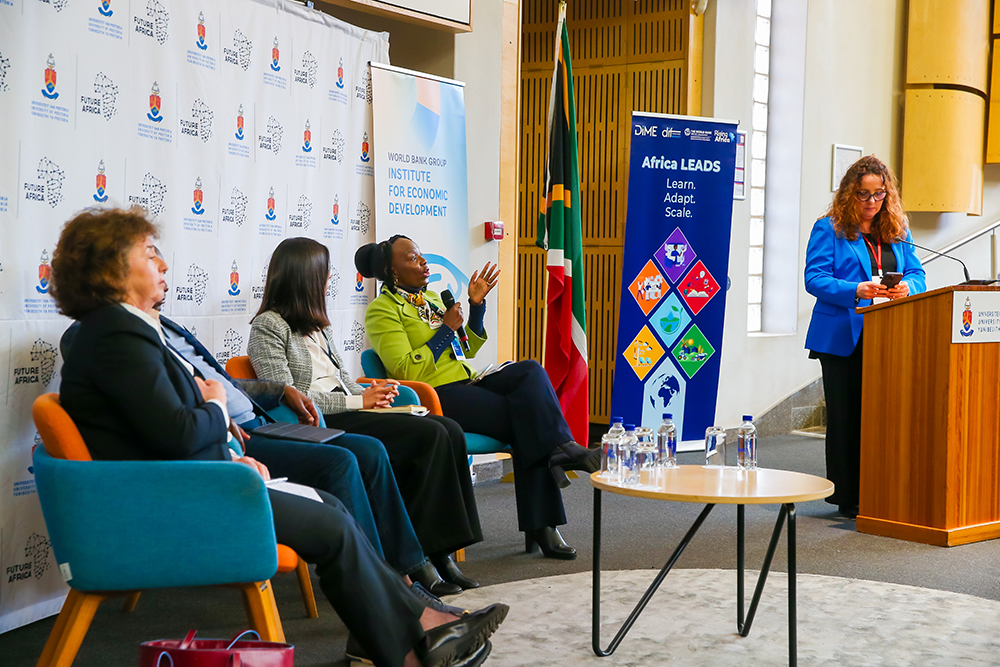
Instead of viewing AI and digital transformation as threats, participants argued that Africa has an opportunity to use these technologies to accelerate productivity in sectors ranging from agriculture and logistics to manufacturing and public administration. Dr. Monica Musenero Masanza, Minister for Science, Technology and Innovation of Uganda, shared about Uganda’s approach to better link research, technology, and industrialization to create more value-added industries and quality jobs.
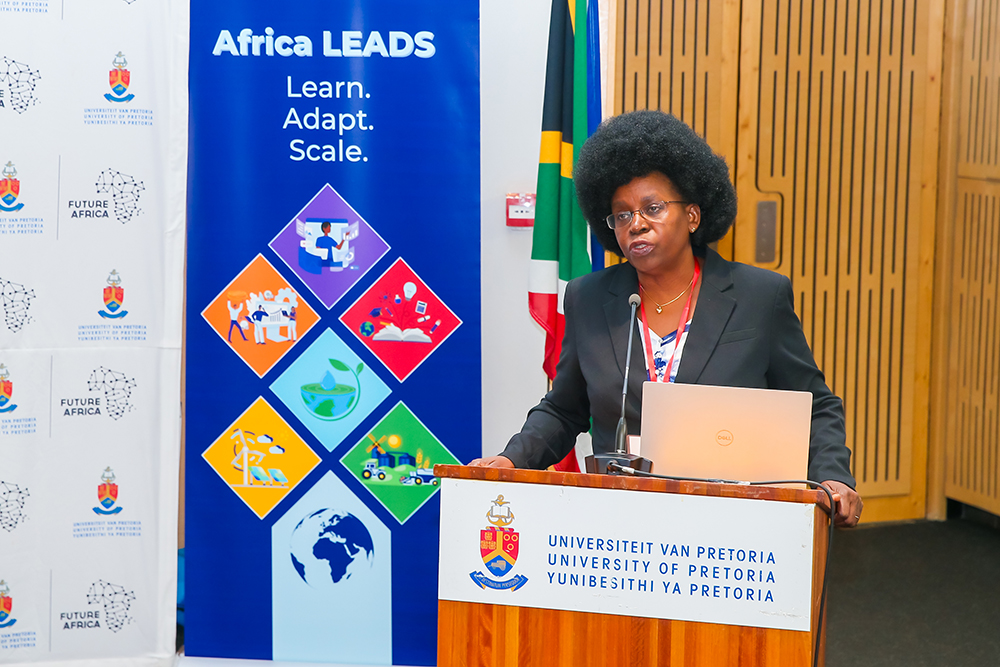
Infrastructure was another critical piece of the puzzle. Tetsushi Sonobe, President of the Japanese Association for Development Economics (JADE), highlighted how better transport systems, energy networks, digital connectivity, and urban planning can help address spatial inequalities that limit access to jobs and markets.
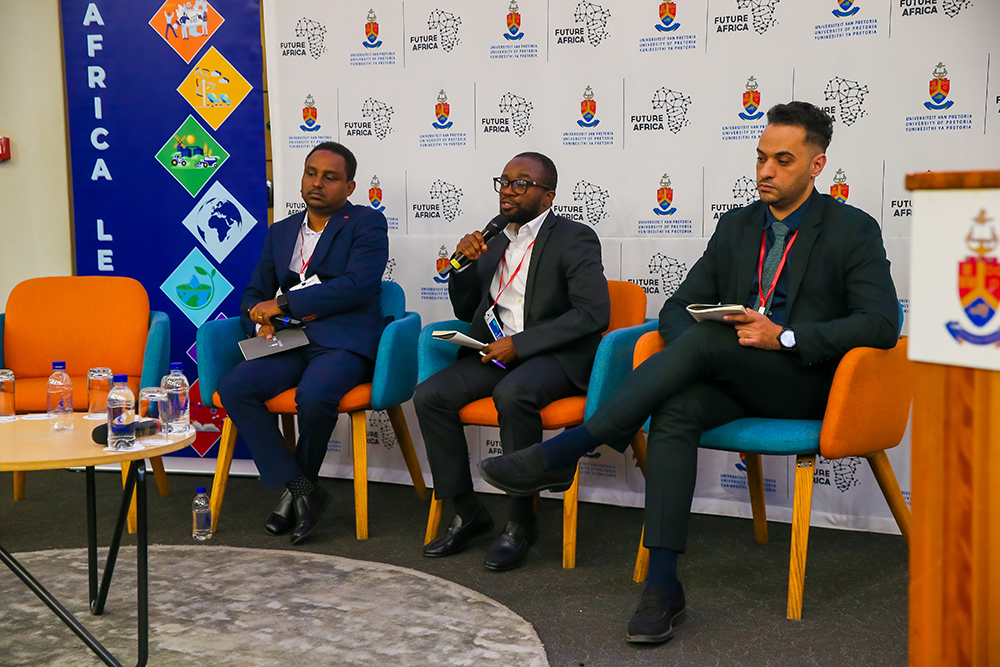
Other discussions explored lessons from countries including Morocco, Ghana, and Ethiopia, where industrial policies and foreign investment have supported growth. Speakers stressed the importance of strengthening local supply chains, addressing informality, and ensuring that foreign investment generates real spillovers.
Africa’s growth story is still unwritten. But unlocking it requires stronger reform implementation, competitive and dynamic firms, and ecosystems that allow innovation to diffuse at scale. Growth will depend not only on diagnosing constraints, but on delivering reforms that allow economies to become more dynamic, competitive, and inclusive.
Watch the replay of the keynote presentations and panel discussions here.