Growth Academy Tokyo: Clear Reform Priorities for Productivity-Led Growth in Asia
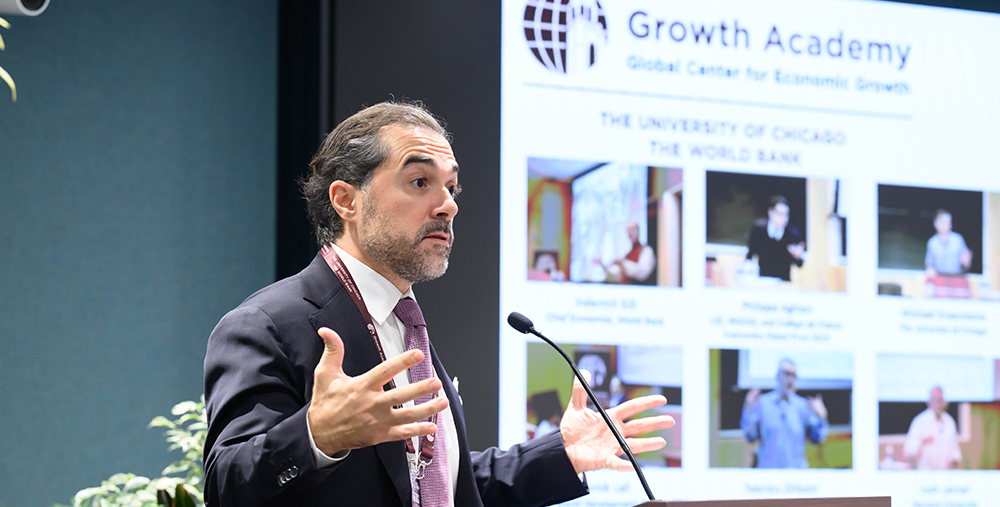
“You cannot build new industries on top of old power structures,” said Ufuk Akcigit, Co-Director of the Growth Academy. “In most economies there is a clear pecking order of what needs to be addressed, and these policy recommendations should be systematically followed.”
This message set the tone for the Tokyo edition of the Growth Academy.
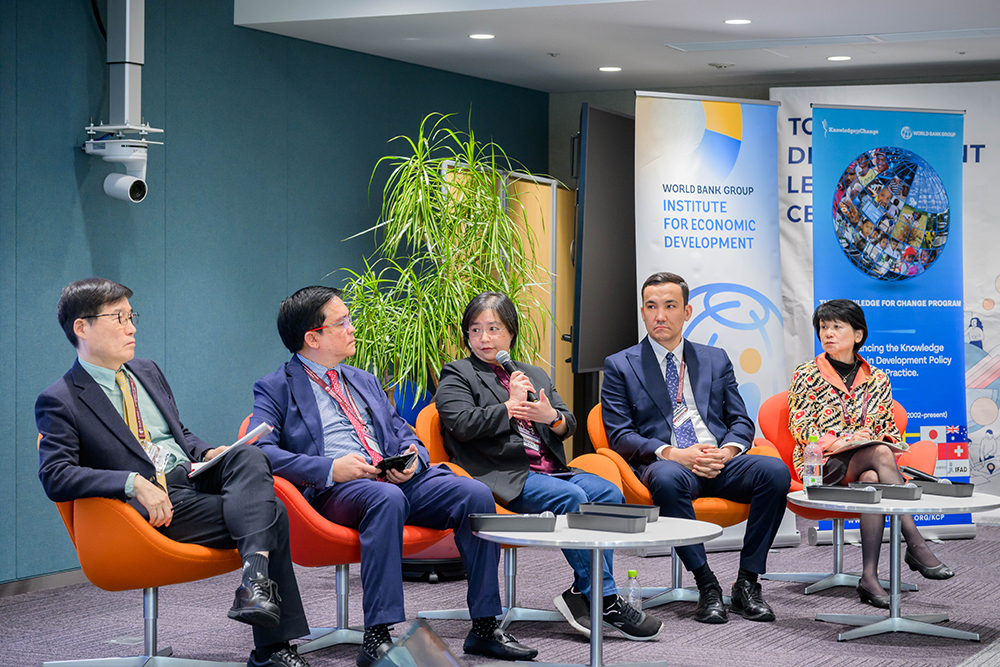
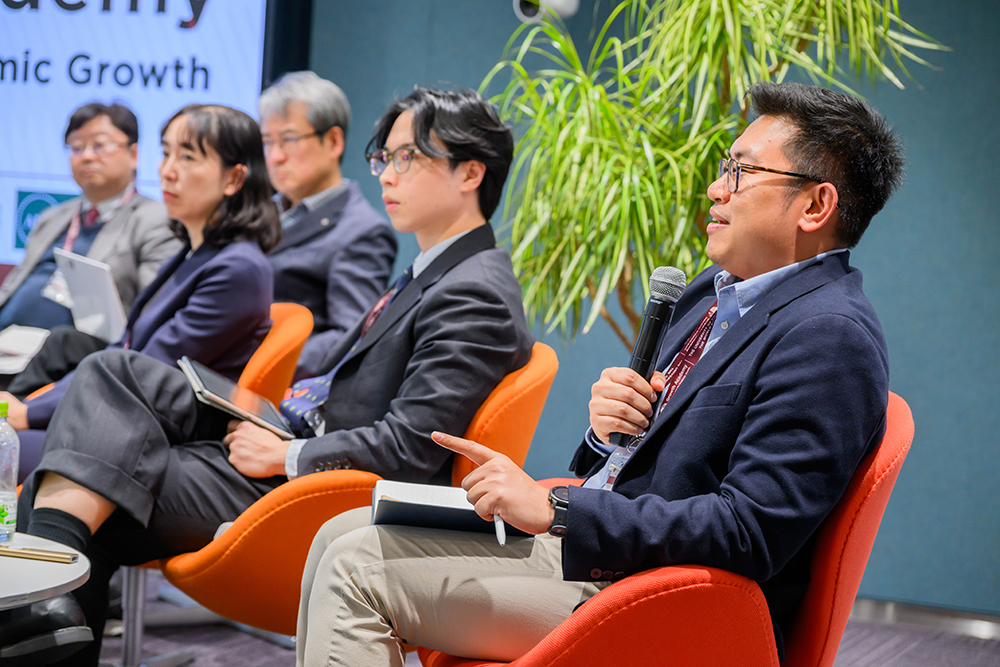
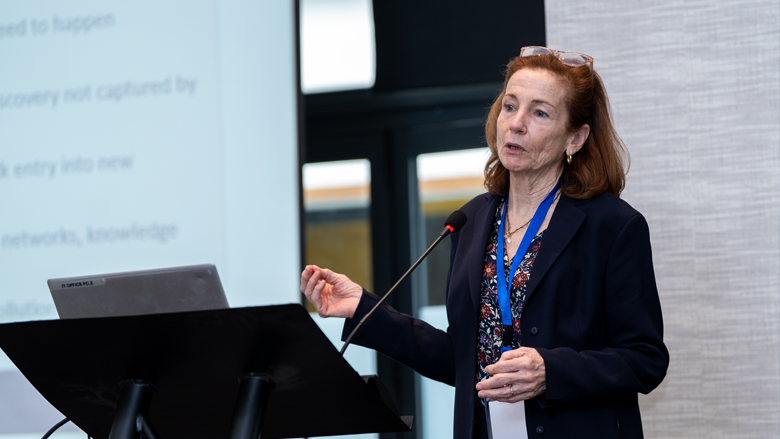
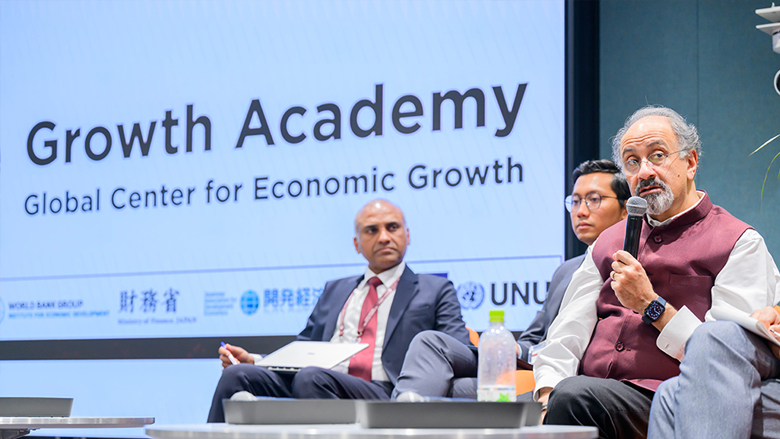
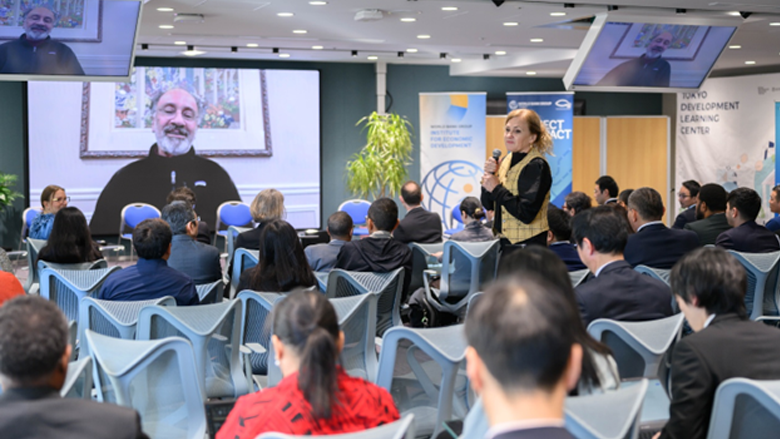
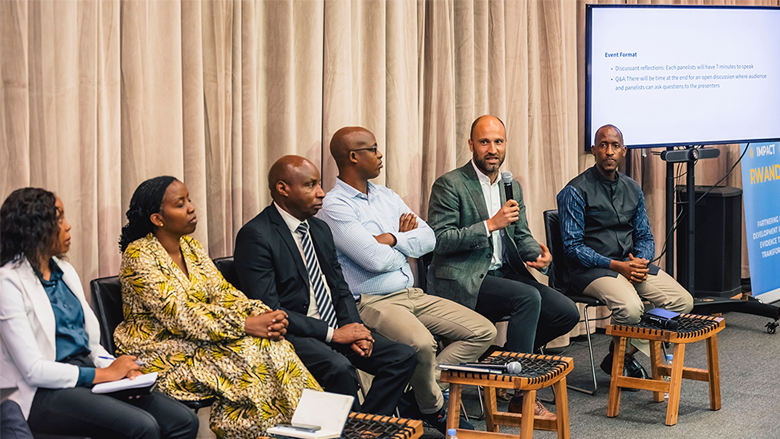
Over two days, the program brought together 35 speakers from 12 Asian countries. They included policymakers, researchers, and academic practitioners. The goal was simple: to discuss how countries in Asia can achieve steady, productivity-led growth.
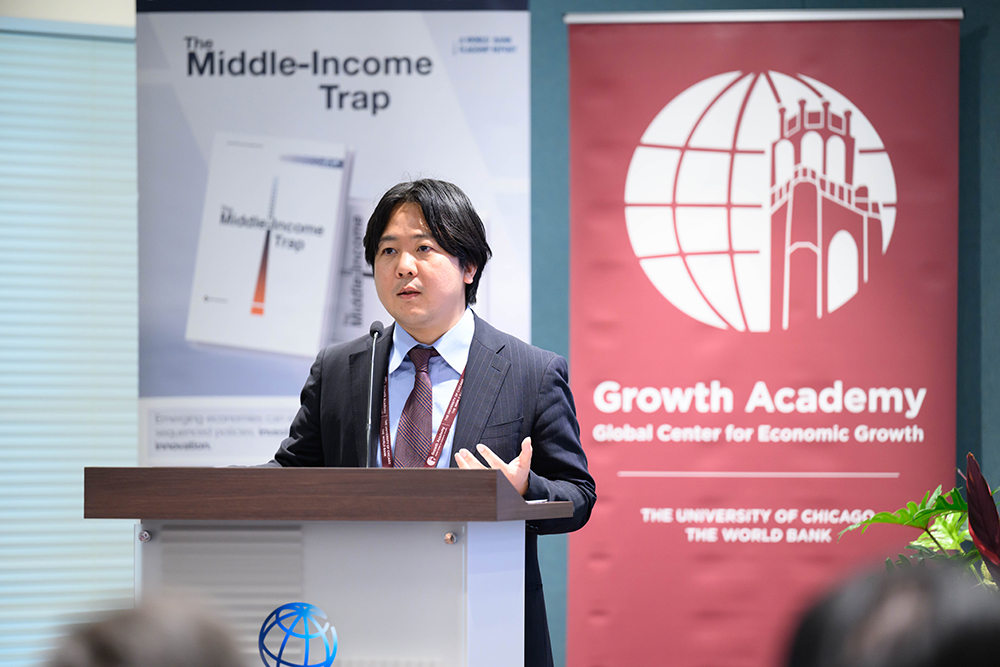
Co-led by the World Bank Group and the Becker Friedman Institute for Economics, the Growth Academy bridges economic research and real-world policymaking. In Tokyo, discussions were grounded in the 2024 World Development Report on the Middle-Income Trap, with participants examining how countries can avoid stagnation and advance toward high-income status.
Growth Looks Different Across Asia
Speakers agreed that growth in Asia does not follow one path. Countries face different challenges. Some countries face rapidly aging populations; others are still building new industries. Institutional capacity varies just as much.
Japan’s postwar economic rise served as a key reference – its industrial policies, strong financial institutions and integration into global value chains were all examined. Yet speakers cautioned that Japan’s experience is not a template. Today’s policies must reflect contemporary global conditions and each country’s unique context.
Fukunari Kimura, President of the Institute for Developing Economies, Japan, said: “Japan’s rapid economic growth period is a pretty old story. It is very important for today’s newly developed and developing economies to aggressively utilize globalization forces … and the world economy.”
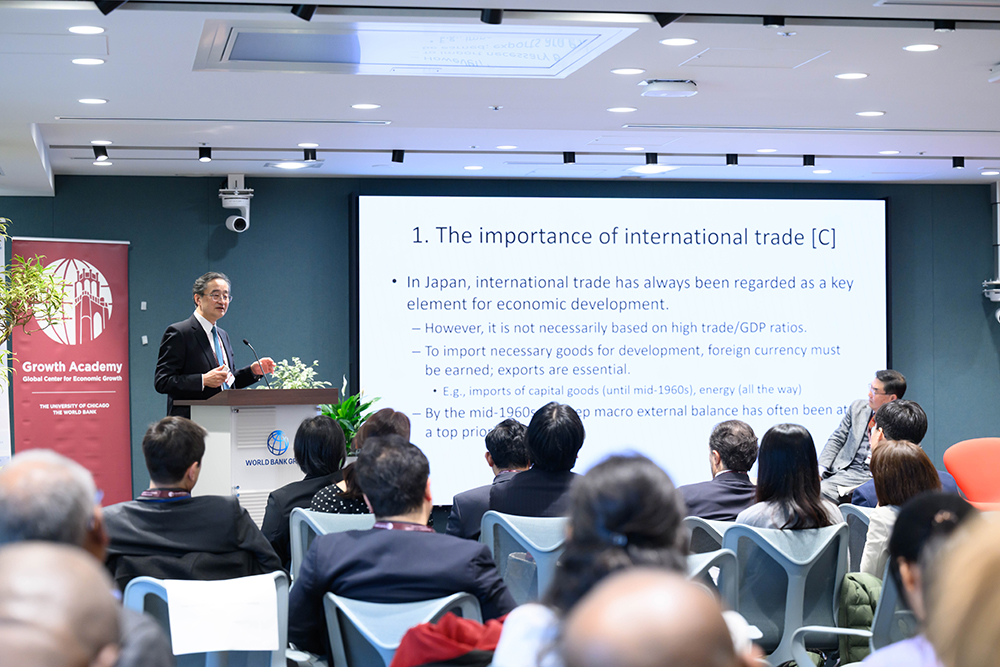
It is very important for today’s newly developed and developing economies to aggressively utilize globalization forces … and the world economy.
- Fukunari Kimura, President of the Institute for Developing Economies, Japan
The Middle-Income Trap: A Set of Linked Challenges
The middle-income trap was a central theme. But it was not treated as a single problem with a single solution. Instead, participants described it as a set of linked challenges.
Macroeconomic stability is necessary. But it is not enough. Growth depends on how firms respond to incentives, how markets allocate resources, and how institutions support innovation and competition.
Productivity Through Reallocation
A key focus was how resources move within an economy. Productivity rises when capital and talent shift toward more productive firms.
Ufuk Akcigit explained that “when we discuss resource reallocation in an economy, this is what we mean: resources need to be reallocated to the most productive individuals and firms, that is when there will be higher productivity in an economy. From year to year, we should be taking resources from less productive actors and moving them to more productive ones.”
Resources need to be reallocated to the most productive individuals and firms.
- Ufuk Akcigit, Arnold C. Harberger Professor of Economics at the University of Chicago and Co-Director of the Growth Academy
Participants agreed that regulators must manage this process carefully. New firms must be allowed to enter and grow. Established firms must upgrade. At the same time, resources should not remain locked in underperforming enterprises.
Technology, Talent, and Energy
Discussions also covered technology adoption, talent allocation, and energy efficiency. A recurring theme was the need for sequencing. To achieve their growth objectives, governments must implement reforms in an order – one leading into the next.
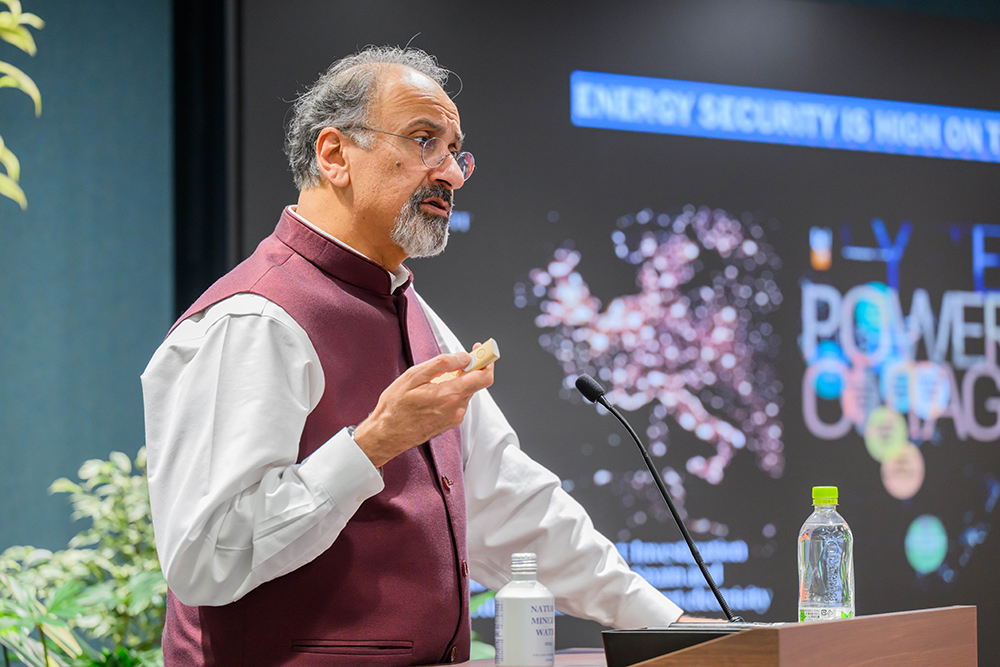
Indermit Gill, Chief Economist of the World Bank Group, led a panel on energy efficiency. He urged that middle-income countries need affordable and reliable energy, but they must also use it wisely. “Improving energy efficiency should be the first mile for these countries,” he said.
The message from Tokyo was consistent: growth does not happen by chance. It requires clear priorities, steady reforms, and institutions that support productive firms. Countries cannot build new industries on outdated systems. They must update the foundations first.
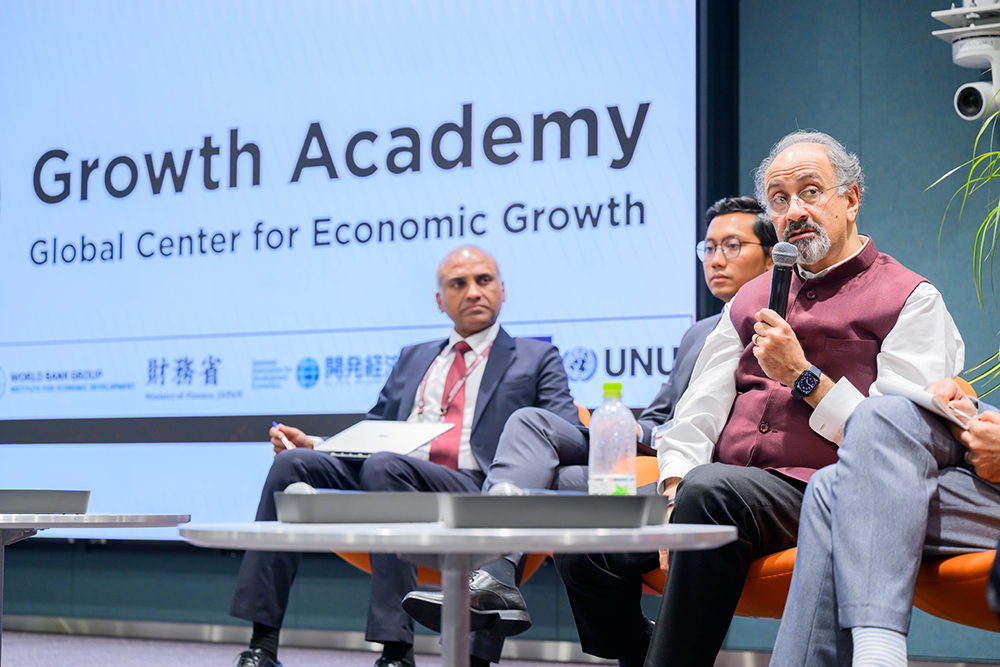
Improving energy efficiency should be the first mile for these countries.
- Indermit Gill, Chief Economist of the World Bank Group
What the Growth Academy, Tokyo Made Clear
These are some of the key insights from the event:
- Growth is multidimensional. No single lever—technology, talent, or energy—can deliver sustained progress alone. Coordinated action across institutions, markets, firms, and human capital is essential.
- Context drives strategy. Historical models, including Japan’s, offer lessons but not blueprints. Successful policies must be tailored to each country’s demographics, institutions, and economic structure.
- Firms are the engine. Productivity-led growth depends on competition, innovation, and continuous firm upgrading. Policy must enable efficient firms to scale and underperformers to exit or transform.
- Talent unlocks technology. Technological adoption and creation require a workforce equipped to use and advance it. Talent allocation is therefore not a secondary concern, but a core productivity policy.
- Energy is a productivity input. Efficient, competitive, and sustainable energy systems are not just environmental goals—they are foundational to long-term growth.
Japan as a Regional Knowledge Hub for Growth and Productivity
The Growth Academy Tokyo also underscored Japan’s evolving role as a regional anchor for evidence-based policymaking. By linking global research with Asia’s diverse development challenges, Japan is helping to build a new model of context-driven policy collaboration.
Key indicators of the Academy’s reach and relevance:
- 35 senior policymakers and researchers from 12 Asian countries convened, making this one of the most geographically and institutionally diverse engagement on economic growth in the region.
- Frontier research met regional reality. Insights from the 2024 World Development Report on the middle-income trap were translated into Asia-specific policy advice, grounding global evidence in local constraints and opportunities.
- Institutional alignment across regions. Leading global and regional institutions coalesced around a shared growth agenda, strengthening Asia’s capacity to co-create solutions beyond one-size-fits-all models.
- 22 research and policy institutions exchanged country-level experiences, identifying both common challenges and distinct pathways to productivity-led growth.
- More than 230 online and 110 in-person attendees from across the world engaged over two days, extending the Growth Academy’s influence well beyond Tokyo and reinforcing its role as a global knowledge platform for productivity-led growth.
Read more details and information about the Growth Academy Tokyo.