Rwanda’s Power Push Enters a More Complex Phase
Rwanda’s drive to expand electricity access has reached a turning point. After more than a decade of rapid grid expansion, the central question is no longer whether to connect households, but how electricity can be delivered in a way that supports jobs, affordability, and long-term growth.
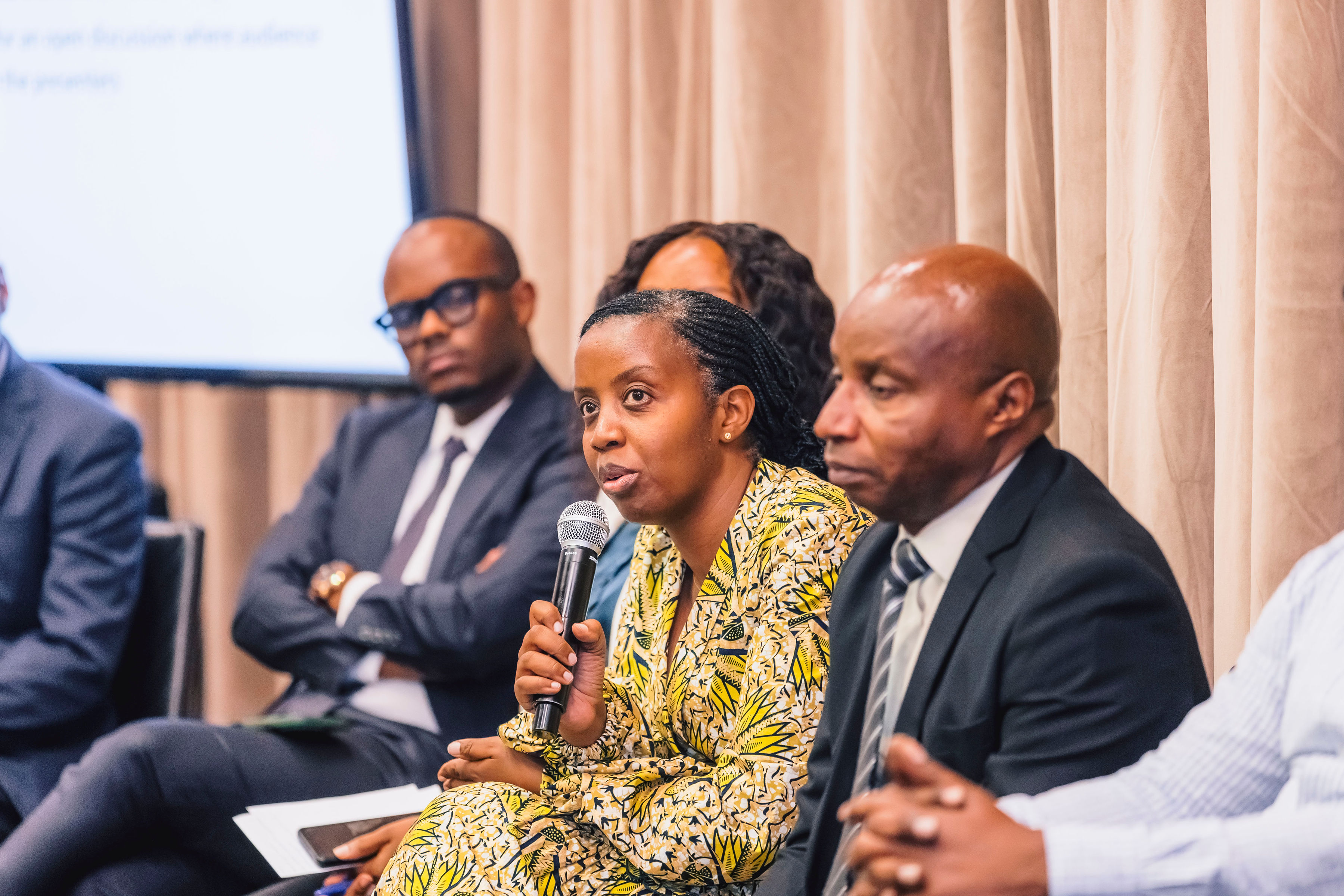
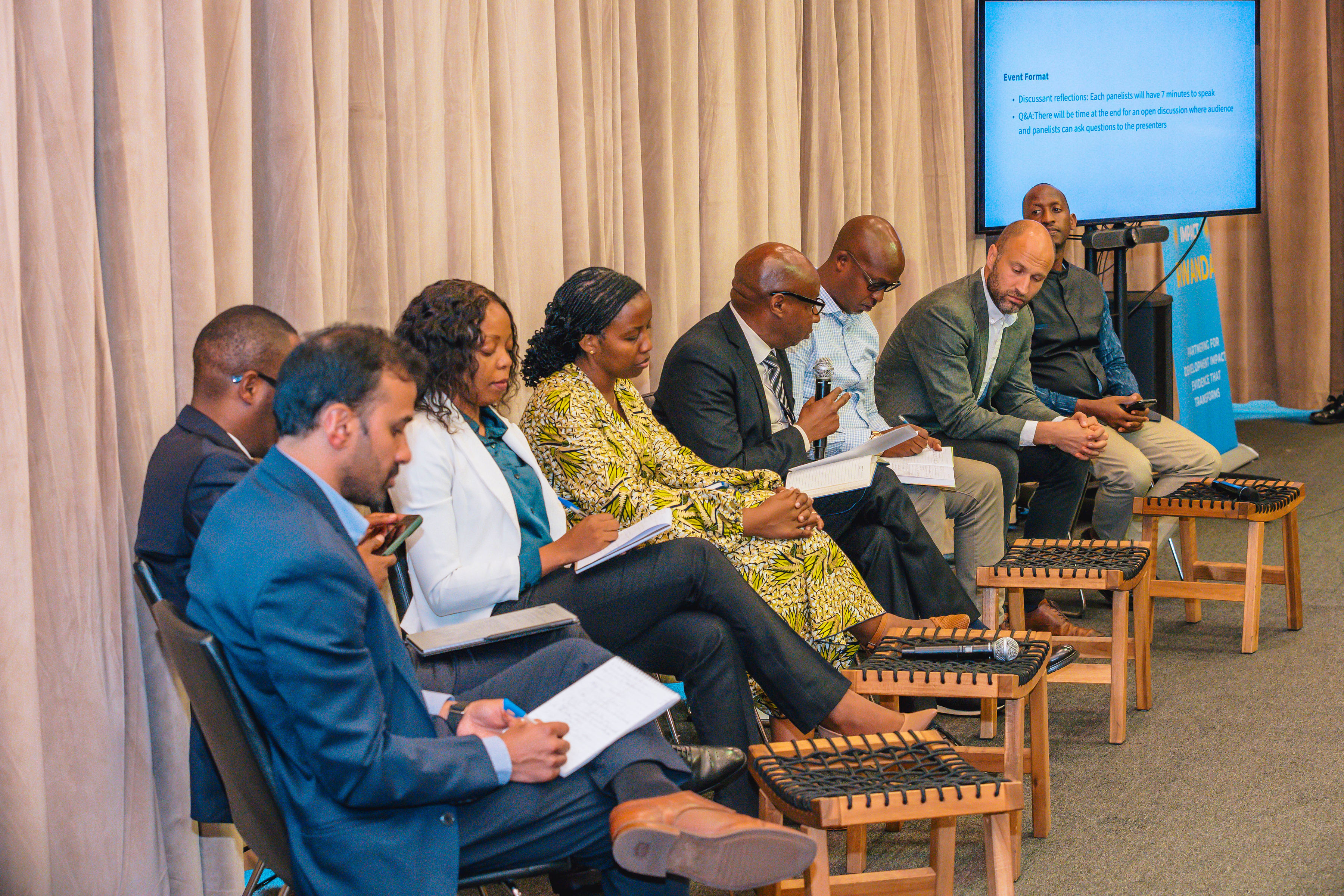
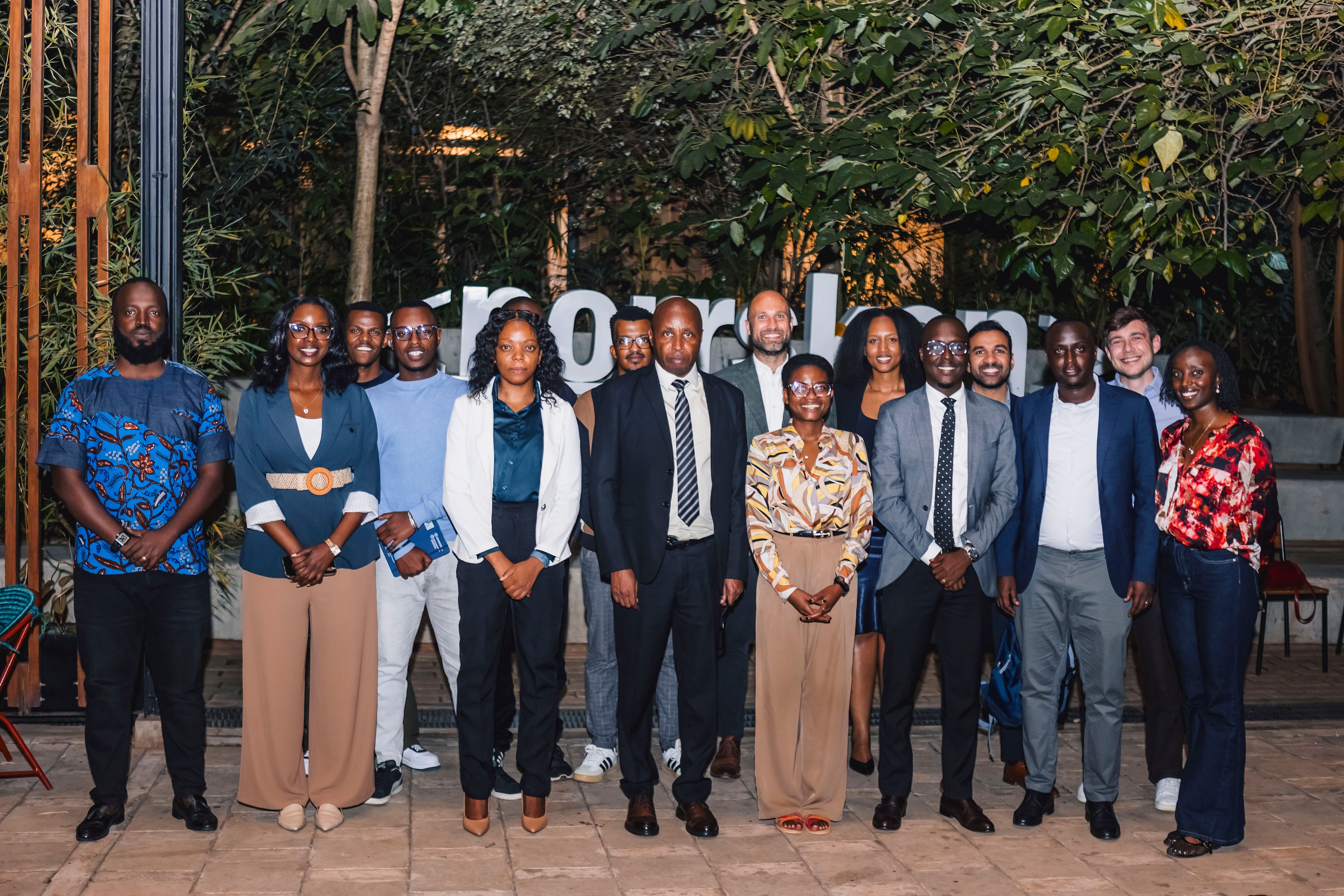
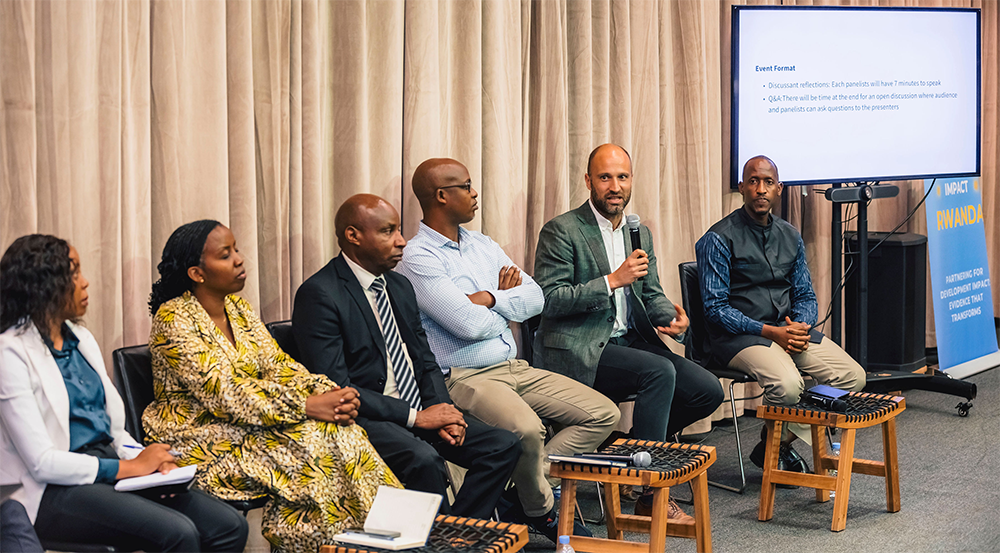
That shift was the focus of a recent World Bank-hosted roundtable in Kigali that brought together government officials, energy planners, researchers, financiers, and private sector providers. The discussion reflected a broader recalibration underway in Rwanda’s energy policy, one shaped less by coverage targets and more by economic performance.
Rwanda now reports electricity access for more than 80 percent of households. Under its National Strategy for Transformation, the country aims to approach universal access by the end of the decade. Yet experts acknowledged that extending connections alone will not deliver the development gains policymakers are seeking.
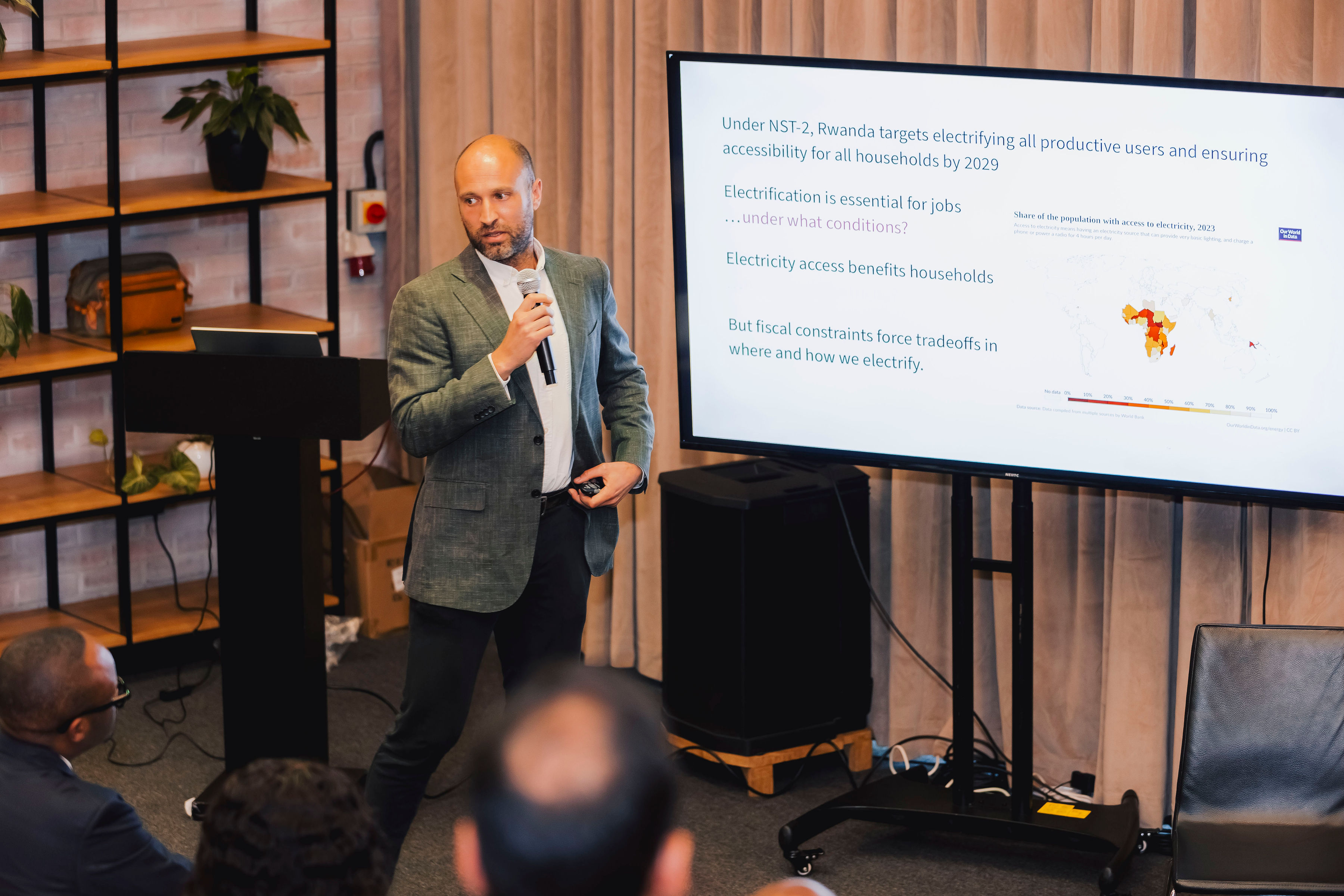
New World Bank research presented pointed to a clearer link between electrification and employment. Communities that received electricity experienced sustained increases in jobs, particularly in services such as retail, repairs, and small enterprises. These gains appeared across different types of villages, including those far from major roads. The findings suggest that electricity creates economic activity even where infrastructure is limited, though the effects take time to materialize.
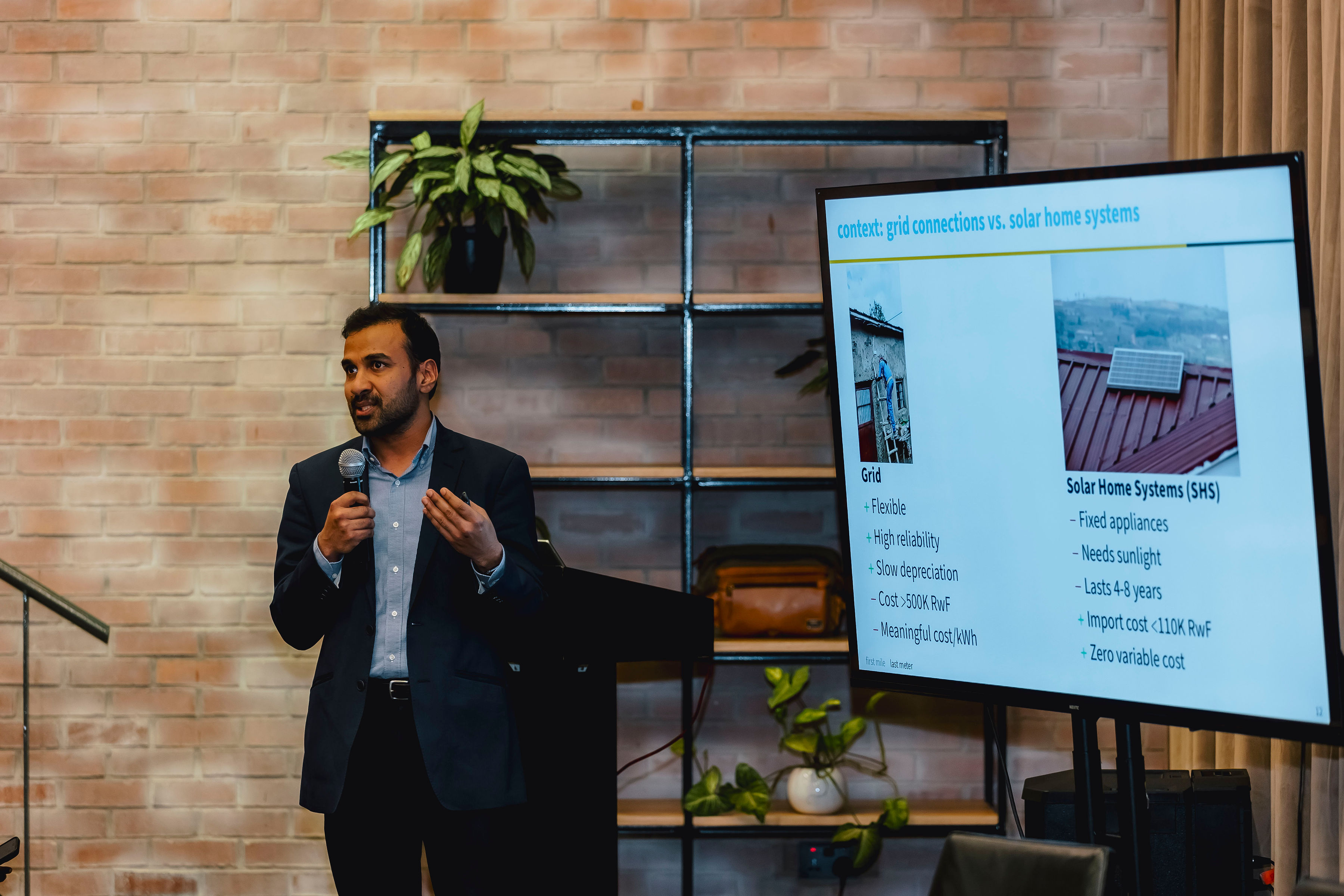
However there is a distinction between connecting communities and connecting households to the grid. Grid connections remain expensive, both for utilities and for households. Survey data showed that many families use relatively little electricity after connecting, often relying on a few appliances. In such cases, solar home systems can meet demand at lower cost.
This has led policymakers to rethink a one-size-fits-all approach to electrification. Setting the right price after subsidy for each technology could help households to self-select into technologies that meet their energy needs.
Energy generation also presents a parallel challenge. Rwanda’s domestic resources are limited, and power costs remain high by regional standards. Hydropower, methane extraction, and solar generation each play a role, but none offers a complete solution on its own. Grid reliability, storage capacity, and regional power trade are becoming increasingly important as demand grows.
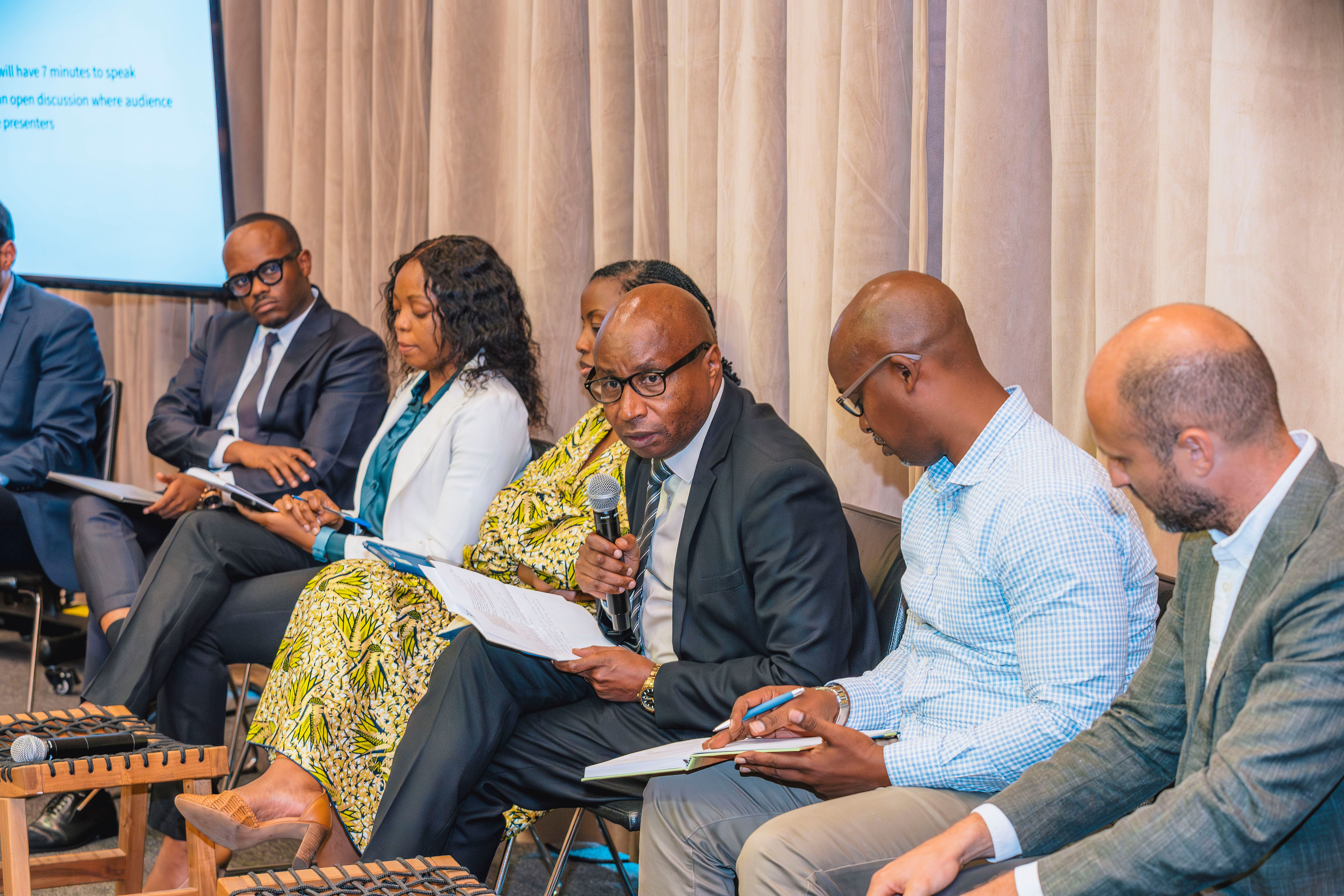
World Bank technical experts emphasized the importance of aligning financing with these realities, and pointed to the need for better data on electricity usage, household demand, and willingness to pay. Such evidence is essential for designing subsidies that expand access without undermining fiscal sustainability.
Private energy providers, including Ignite Access, noted that customer behavior, affordability, and predictable subsidy frameworks ultimately determine whether access translates into sustained use. Companies operating in off-grid markets assert how predictable policy frameworks and targeted subsidies have allowed them to scale services in rural areas. They also warn that uncertainty around tariffs and financing could slow future investment.
The question facing policymakers is how to manage that transition while keeping power affordable and reliable. The answer will determine whether Rwanda’s electrification drive delivers lasting economic returns or stalls under its own weight.
Related Content