From AGORA to Action: Bridging Research and Policy in Africa’s Energy Transition
By Saidou Abdoulaye Sy, Research Fellow at the Centre for Sustainability Transitions, Stellenbosch University, and an Associate Researcher at International Development Economics Associates.
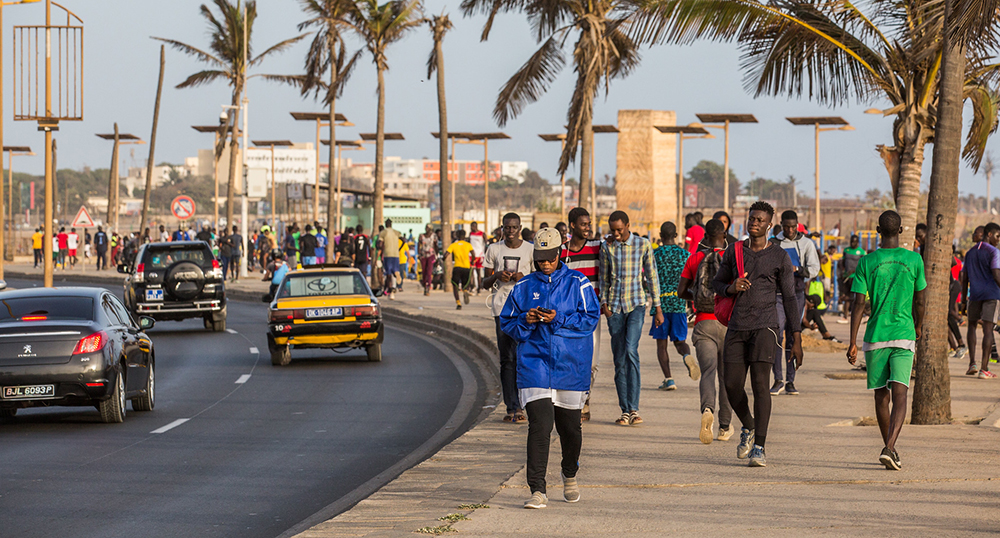
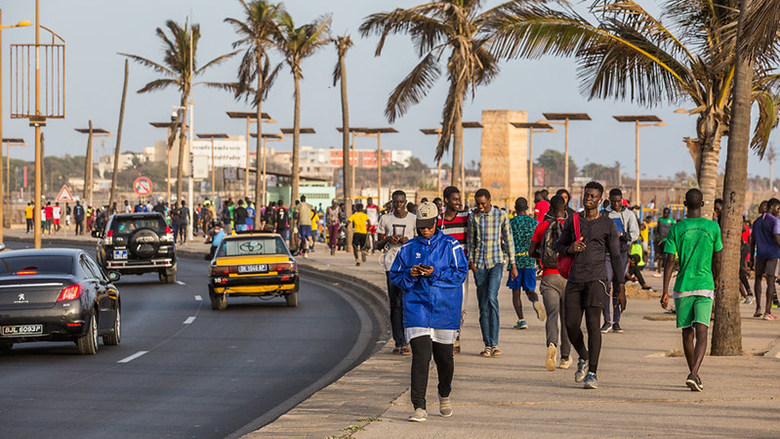
In 2019, while researching on energy poverty, I spent time in Senegal examining how energy systems function in practice. A key observation is that the challenge extends beyond access to affordable and reliable electricity and clean cooking solutions. A critical constraint lies in the limited capacity of institutions to generate and use evidence to inform policy decisions. This raises important questions about how energy and development policy can be more effectively embedded within national institutions and better anchored in domestic evidence systems that reflect local realities.
A room focused on Africa’s own solutions
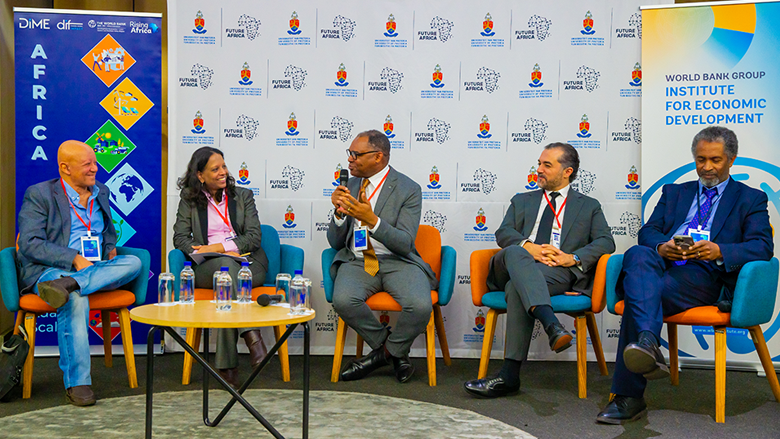
When I was invited to the World Bank Group Institute for Economic Development’s inaugural Africa Growth and Opportunity: Research in Action (AGORA) conference in Palermo, Italy, I found a space that directly addresses the challenge of limited institutional capacity for policymaking. AGORA created a platform to translate economic discourse into actionable policy conversations. In the pursuit of this ambition, the conference brought together researchers, policymakers, and development experts to build the evidence base that can guide better policy decisions in Africa.
For me, it felt like a turning point. It signaled growing unity in the research and development community. There is a shared commitment to producing rigorous knowledge that should be useful for governments and people dealing with real challenges.
The people and the ideas
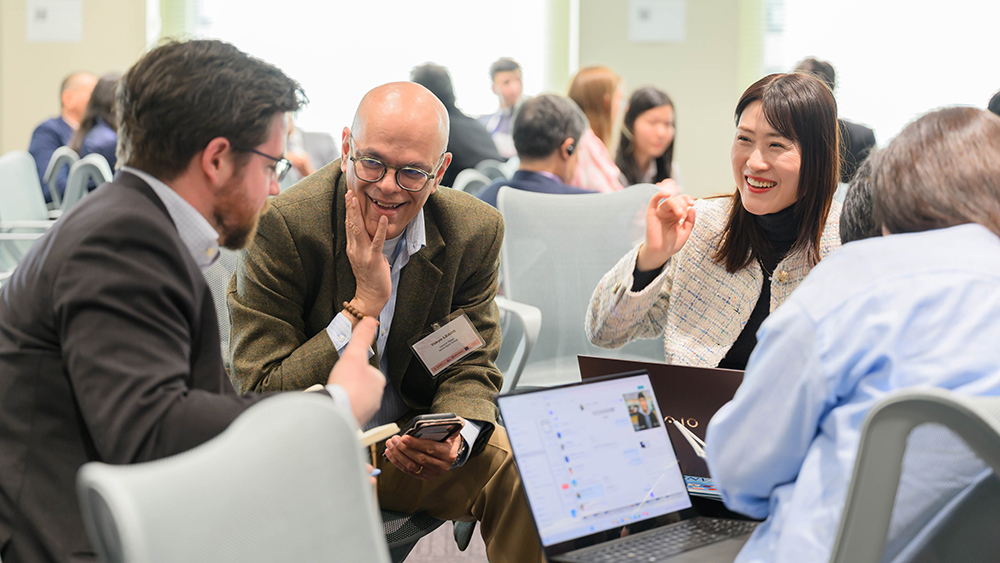
Some of the most valuable moments in Palermo happened outside the formal program. They took place in hallway conversations. Others happened over shared meals. These were exchanges that only happen when the right people are in the same room. I met researchers working on complementary development questions. I spoke with experts who are working hard to direct climate investment where it is needed most. I connected with government officials looking for practical, evidence-based guidance to inform decisions. These connections reinforced the importance of collaboration in producing impactful research. They also showed the value of a connected African energy research community that shares data, learns across countries, and engages policymakers.
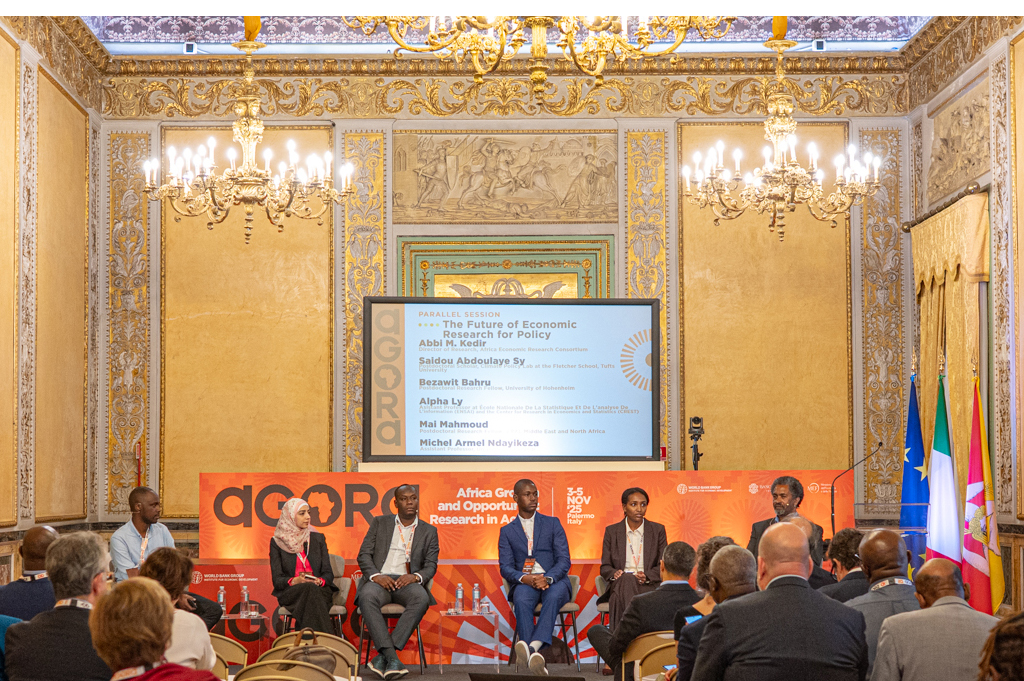
From micro solutions to macro reform in Africa’s energy development
At the AGORA conference, I found that conversation highlighted initiatives such as Mission 300 and the productive use of energy in Africa. These are important for expanding opportunities and supporting livelihoods.
At the same time, I left the conference with three key reflections:
- Global context needs more attention. I felt that strategies for developing value chains for critical minerals and renewable technologies were not discussed enough, even though they are becoming increasingly important for African economies.
- A gap between problems and solutions. I saw that many discussions focused on project-level challenges, while the changes ahead affect the whole economy.
- The need for broader reforms. From my perspective, progress will require not only energy investments, but also stronger financial systems, a clearer role for central banks, and better integration of sustainability across sectors.
Without this targeted approach, even strong energy projects may not have lasting impact. Looking ahead, I believe future discussions could build on this by bringing together country leaders, sector experts, central banks, and financial policymakers to better align solutions with the scale of the challenge.
Why this matters for Senegal and the continent?
My work focuses on West Africa, particularly Senegal, where the energy sector is evolving rapidly. The country combines strong renewable energy potential with newly discovered offshore oil and gas resources. The challenge is to use these resources in a way that supports sustainable and inclusive growth.
Following AGORA, I have taken a role as a Research Fellow at the Center for Sustainability Transitions, Stellenbosch University in South Africa. I am currently working on Senegal’s financial architecture related to oil and gas exploitation. This role is about translating research into action, in the spirit of AGORA, by bridging knowledge, policy, and implementation. I advise the Senegalese government on strengthening fiscal governance, improving natural resource revenue management, and supporting long-term economic transformation and sustainability. This is a responsibility I value deeply.
Africa has the youngest population in the world. Energy decisions made in the next ten years will shape their future.
Next step in my journey
While Senegal’s situation reflects broader trends across Africa, including several countries such as Côte d’Ivoire, Democratic Republic of Congo, Ghana, Nigeria, and South Africa, national contexts vary significantly. My goal is to support African governments in assessing their policy options. An integrated approach linking energy with macroeconomic policy, financing, industrialization, and institutions is essential to strengthen climate resilience, and broaden the distribution of benefits.
Africa has the youngest population in the world. Energy decisions made in the next ten years will shape their future. Getting these decisions right is critical. Research has an important role in supporting them, and platforms like AGORA are instrumental in facilitating that discourse.
Find out more about the AGORA 2026 Conference, taking place on October 26-27, 2026, and how you can be part of it.
Watch an interview during AGORA 2025 with Lukwesa Burak, International News Anchor:
Related Content