From Barriers to Opportunities: Applying World Development Report 2025 Insights to Africa’s Agrifood Systems
How can standards be leveraged to drive inclusive growth, competitiveness, and economic transformation in Africa’s agrifood systems? This question has been at the center of a growing dialogue among experts from the World Bank Group and other international organizations, development practitioners, researchers, and sector specialists convened by the Institute for Economic Development (IED).
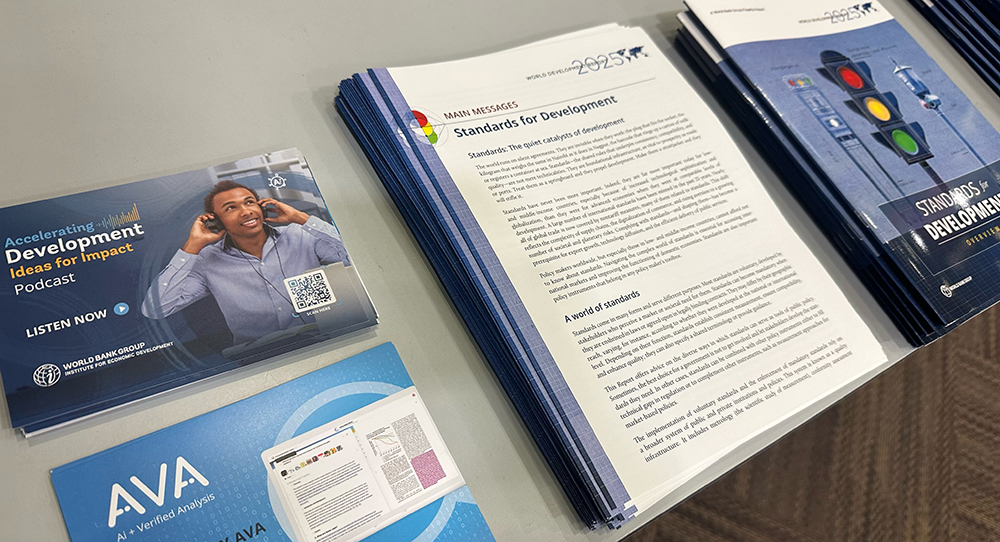
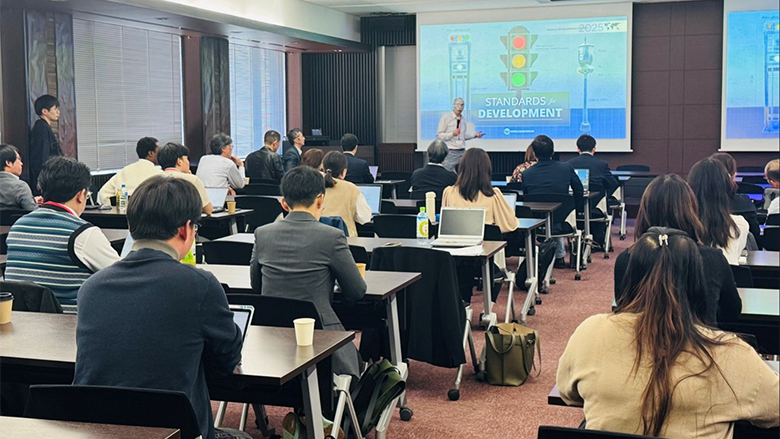
Drawing on insights from the World Development Report 2025: Standards for Development (WDR25), the IED organized a series of discussions in Rome, Washington, D.C., and online to explore how the report’s findings can be applied to sector-specific and regional contexts. These engagements connected global knowledge with practical experience, creating opportunities for practitioners, partners, and experts to contribute to the development agenda. They also underscored both the relevance of the report and the strong demand for actionable guidance that can translate its insights into real-world impact.
From Global Framework to Sector Application: Standards and Agrifood Systems
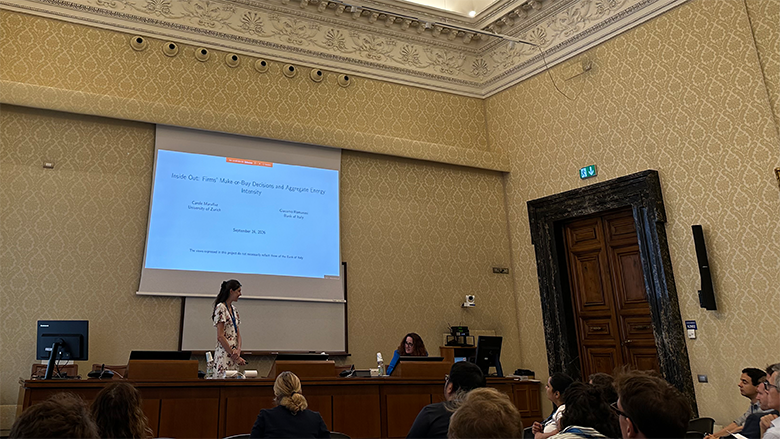
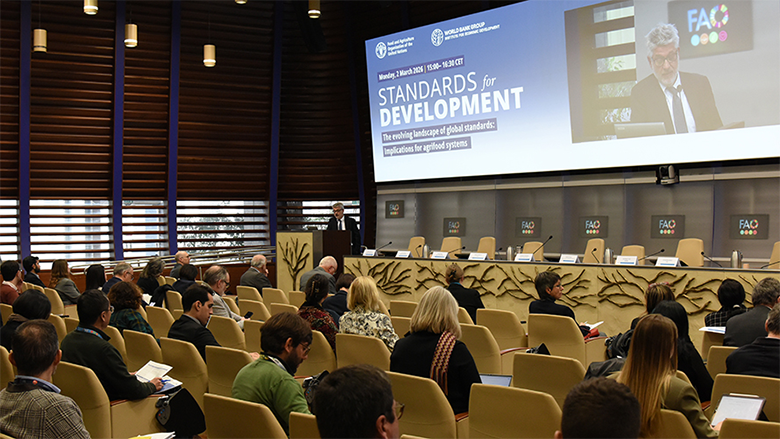
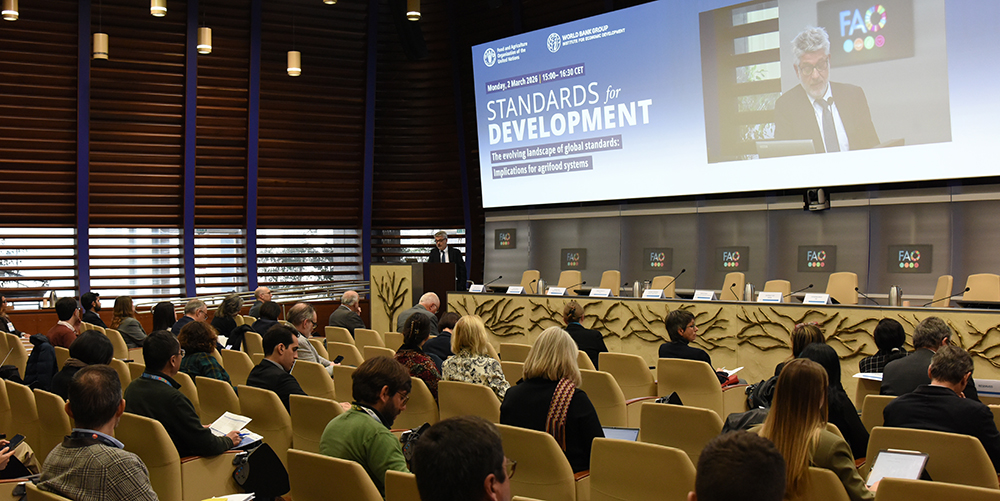
First, the IED co-hosted Standards for Development: Implications for Agrifood Systems at FAO Headquarters in Rome with the Codex Alimentarius Secretariat. The event brought together experts from the World Bank Group, FAO, Codex Alimentarius, the International Plant Protection Convention (IPPC), and African agrifood systems to examine the practical role of standards in food systems and trade.
Participants highlighted the increasingly important, yet often overlooked, role standards play in shaping food safety, market access, competitiveness, and inclusion. Far from being merely technical requirements, standards were described as a critical form of infrastructure that influences productivity, trade, and participation in value chains.
The discussion also recognized the challenges many developing countries face in meeting standards. While compliance can open the door to higher-value markets, success depends on strong supporting systems, including laboratories, certification and inspection services, veterinary and plant health systems, and effective regulatory institutions. Where these capacities are lacking, standards can become obstacles rather than enablers, disproportionately affecting smallholders and agrifood SMEs.
The event confirmed the relevance of the WDR25 framework and highlighted the need to move beyond broad conceptual discussions toward practical application. Participants identified agrifood systems as an important area for testing and refining the report’s insights, laying out the groundwork for subsequent conversations focused on operational lessons and regional priorities, particularly in Africa.
How Can Standards Support Agrifood Systems in Africa?
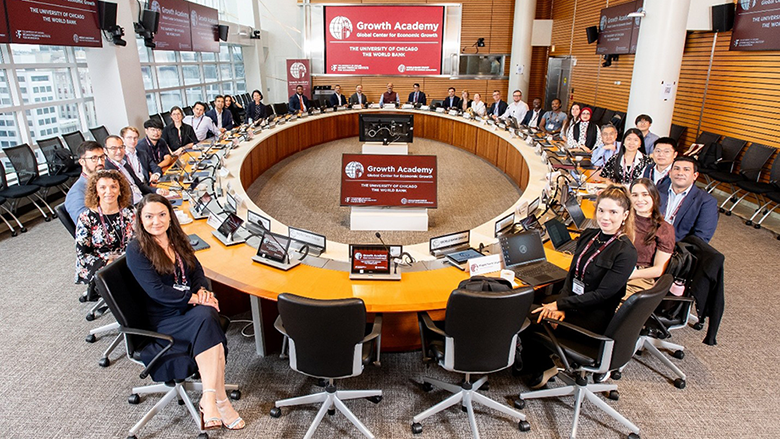
Building on the momentum generated in Rome, the IED organized a dedicated session during the World Bank Land Conference at the World Bank Group Headquarters in Washington, D.C. The event, From Barriers to Opportunities: Leveraging Standards in Africa’s Agrifood Systems, convened global experts, development partners, researchers, and African practitioners to explore the implications of WDR25 through the lens of Africa’s agrifood systems.
The focus on Africa reflected the central role agrifood systems play in the continent’s economic transformation. As major sources of employment and livelihoods, these systems are dominated by smallholders and agri-SMEs. In this context, standards related to food safety, plant and animal health, quality, sustainability, and traceability directly influence producers’ ability to participate in domestic, regional, and global markets.
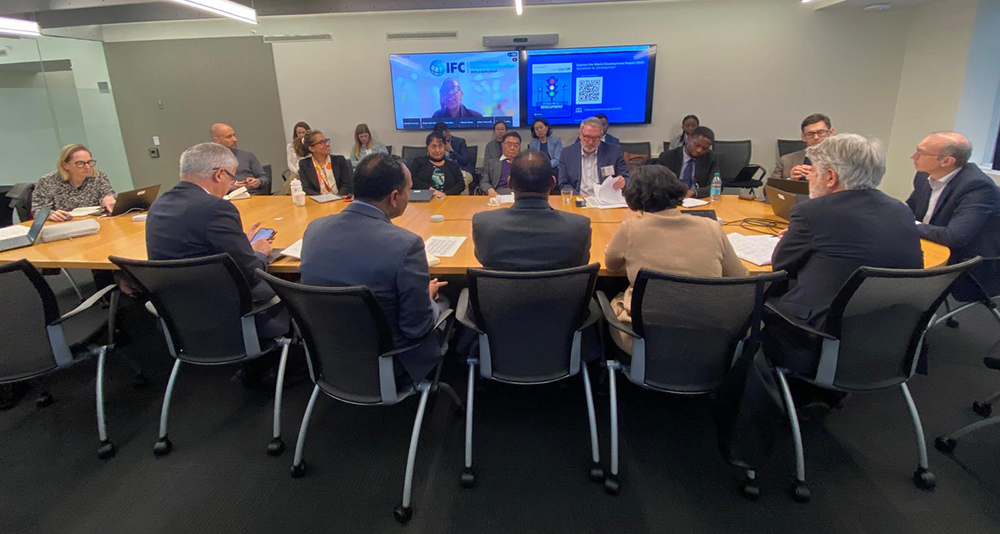
Discussions examined how standards affect trade, sustainability, competitiveness, and inclusion across agricultural, forestry, and natural-fiber value chains. Participants highlighted the opportunities standards can create, including greater market access, stronger consumer confidence, and enhanced competitiveness. At the same time, they acknowledged persistent barriers, including compliance costs, limited institutional capacity, and insufficient participation in standard-setting processes, which often place a disproportionate burden on smaller producers.
Participants recognized the value of complementing the global WDR25 framework with evidence, operational lessons, and policy recommendations tailored to Africa’s agrifood systems.
Deepening the Discussion: An Expert Consultation on Agrifood Standards in Africa
Insights from these discussions triggered the idea of developing a dedicated companion report focused on agrifood standards in Africa. To inform the companion report, the IED convened a virtual expert consultation with more than 20 representatives from academia, government, the private sector, development institutions, and partner organizations across Africa. The consultation aimed to validate and refine the report’s analytical framework while ensuring it reflected regional realities and practical experience.
Drawing expertise from a range of countries and value chains, participants reviewed the report’s conceptual approach, implementation challenges, operational recommendations, and potential case studies. A strong consensus emerged that standards can support transformation and facilitate access to higher-value markets, but only when backed by effective quality infrastructure, enforcement mechanisms, financing, and the capacity of producers and SMEs to comply. Without such support, standards risk becoming exclusionary, particularly for smaller market actors. Inclusion, participants emphasized, must remain at the core of both standards’ design and implementation.

A recurring theme throughout the consultation was the distinction between the ability versus the incentives to comply and between food safety versus market access. Participants noted that adoption depends not only on technical capacity but also on market demand, buyer requirements, procurement systems, price incentives, and opportunities to reduce risk. Without clear incentives, standards may exist in principle while seeing limited uptake in practice. This highlighted the importance of understanding how governments, private-sector actors, and market institutions can collectively create viable pathways toward compliance.
Experts also stressed that raising standards without corresponding investments in awareness, capacity building, financing, testing and certification services, and institutional support could unintentionally exclude smallholders, agri-SMEs, and informal market participants. Instead, they advocated for tiered and context-specific approaches that gradually strengthen compliance while broadening participation. Regional harmonization, mutual recognition of standards, and stronger quality infrastructure were identified as key enablers of both inclusion and regional trade.
Finally, the consultation emphasized that the companion report should be grounded in evidence and practical experience. Proposed case studies span a wide range of African agrifood systems, including aflatoxin management in maize and groundnuts, seed certification, horticulture export value chains, dairy production, staple crops, livestock, textiles and biofortified crops. By highlighting how standards operate in practice and how policy choices influence development outcomes, these examples will help translate the WDR25 framework to a deep dive on agrifood system and into actionable guidance for policymakers, development practitioners, and investors seeking to make standards a driver of inclusive agrifood transformation across Africa.
To learn more, subscribe to our podcast and tune in to the Agriculture series. Stay tuned for the upcoming companion report on agrifood standards!