What Countries Are Learning About Clean Air Policy Today
Perspectives from the Better Air Quality Conference and Tokyo LEADS participants.
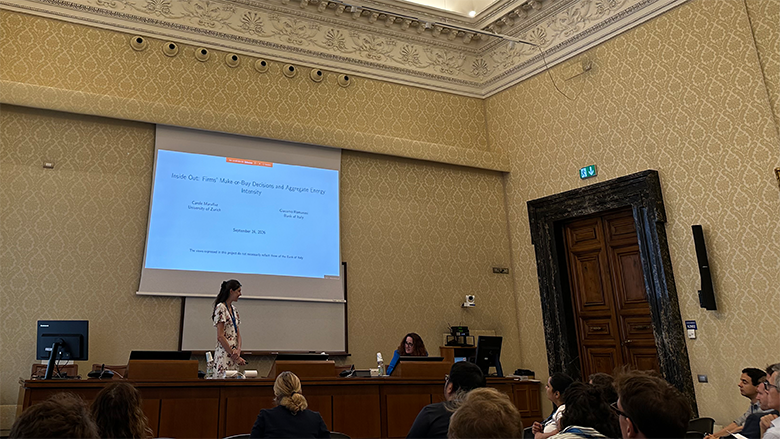
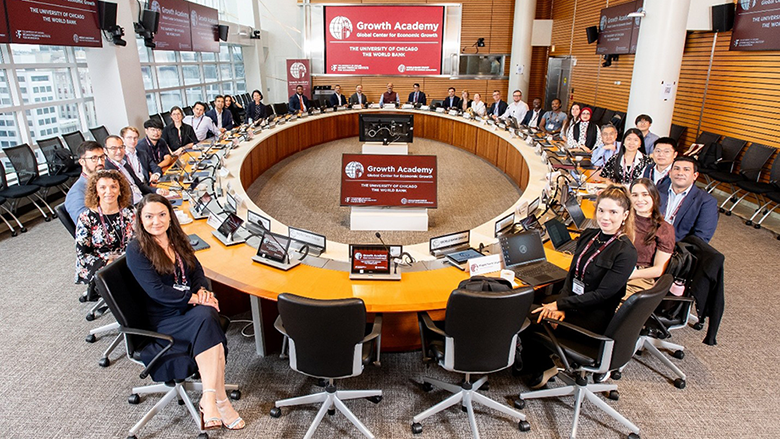
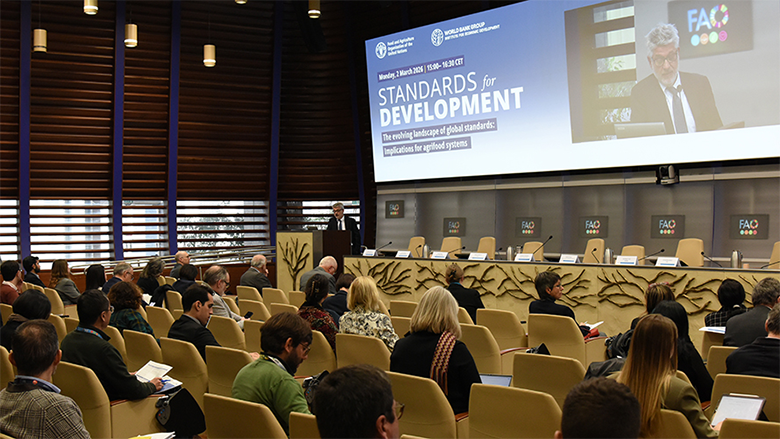
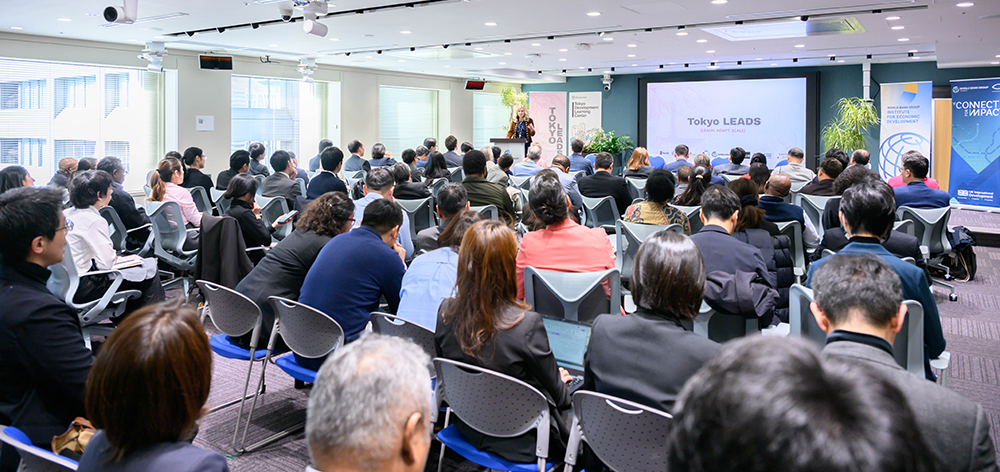
Air pollution has long been one of the most serious development challenges facing rapidly growing economies. Governments across Asia and Africa are under pressure to improve public health while continuing to expand industry, transport systems, and energy access. This theme was at the core of a session co-organized at the Better Air Quality Conference, by the World Bank Group Institute for Economic Development, together with the Health Effects Institute, the Africa Clean Air Network, and the Climate and Clean Air Coalition. It also informed discussions at Tokyo LEADS, the regional workshop under the World Bank’s LEADS (Learn. Adapt. Scale.) initiative, held in January, where World Bank Development Economics researchers, operational task teams, and policymakers to explored how evidence can strengthen air pollution policy in practice.
Three issues stand out in this broader conversation.
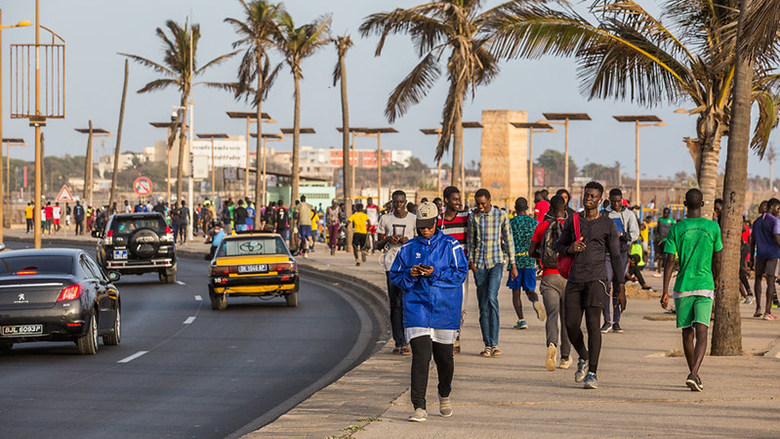
First, air quality monitoring is becoming one of the most important foundations of environmental policy. Governments increasingly recognize that regulation depends on credible and accessible data. Monitoring systems help policymakers identify pollution sources, strengthen enforcement, and build public accountability around air quality. They also change the political conversation because pollution becomes visible in real time. In Lagos, for example, the city has expanded its monitoring network substantially in recent years while increasing public access to air quality information.
Second, governments are experimenting with market-based tools alongside traditional regulation. Emissions trading systems, pollution charges, and performance-based incentives are gaining attention because they allow policymakers to influence behavior across firms and sectors while keeping economic competitiveness in view. In Surat, India, emissions trading programs have been tested as a way to reduce industrial pollution at lower cost. Other cities are exploring taxation and incentive structures tied to pollution outcomes. These approaches reflect a broader shift toward policy frameworks that combine environmental objectives with economic flexibility.
Third, many of the most relevant lessons are now emerging through exchanges across the Global South. Countries facing similar pressures around urbanization, industrial growth, energy demand, and institutional capacity are increasingly looking to one another for workable policy models. South-South collaboration allows governments to adapt approaches that have already been tested under comparable development conditions, rather than relying exclusively on frameworks designed in very different economic contexts.
These themes are also reflected in the World Bank Development Economics research framework known as “Monitoring, Management, and Markets,” or the 3M framework. The approach draws on operational and research experience across a range of contexts, including industrial emissions in Tashkent, heating transitions in Ulaanbaatar, and crop burning affecting Ho Chi Minh City and surrounding regions. The framework has become part of a broader effort to understand which combinations of data systems, governance structures, and economic incentives can help countries build cleaner and healthier urban environments while sustaining growth.
The session took place at a moment when clean air policy is increasingly being treated as part of mainstream economic management. Air pollution affects labor productivity, health systems, education outcomes, and the long-term competitiveness of cities. The discussion reflected a wider recognition that environmental policy and development policy are closely connected in practice.
To learn more, join our webinar Interdisciplinary Pathways Towards Evidence-Driven Air Quality Management in Africa and tune in to our podcast and subscribe to the Clean Air series.