Firms, Innovation, and the Future of Growth
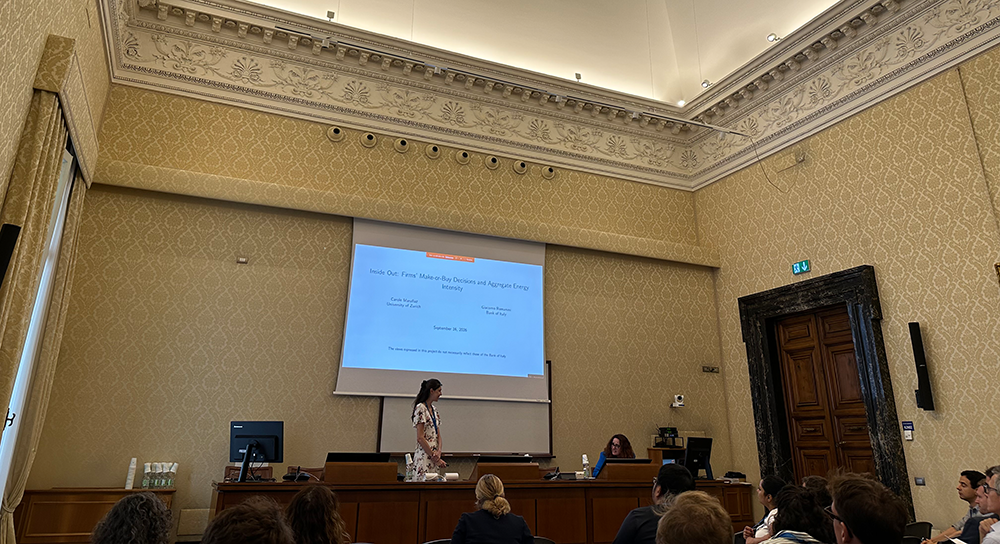
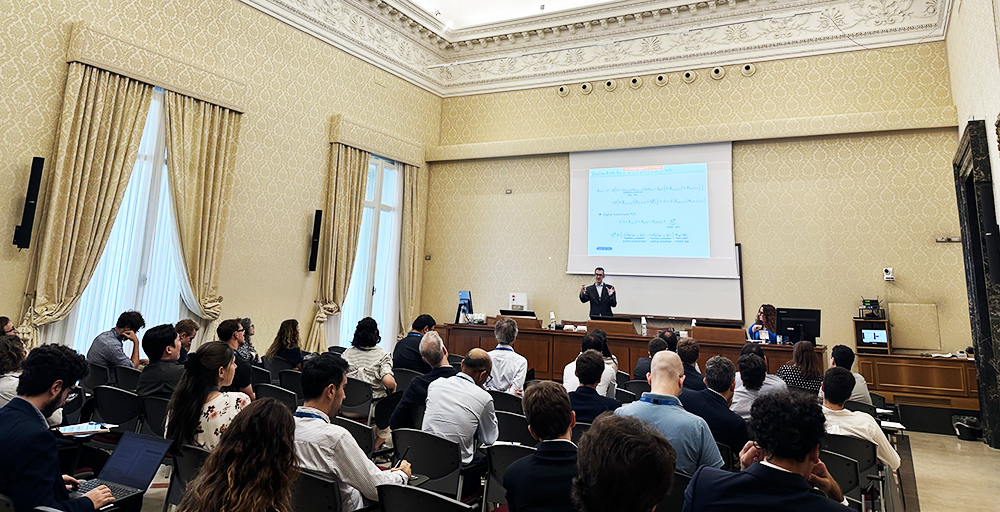
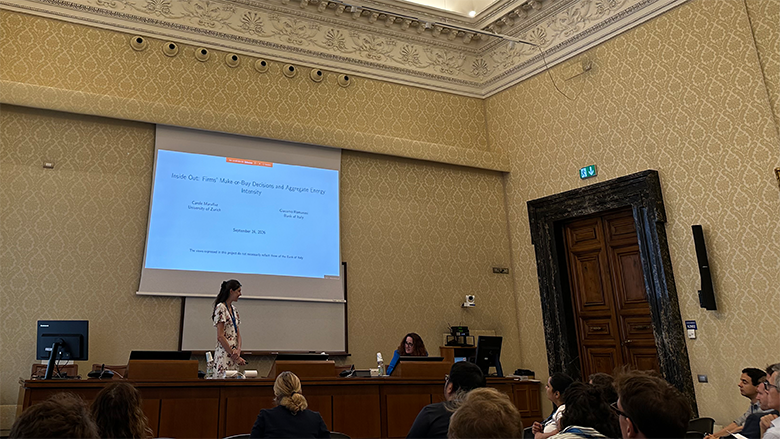
How do the choices made by individual firms influence investment, productivity, job creation, and economic growth? Researchers explored this question at the Firm Dynamics, Investment and Aggregate Growth conference, held in Rome on September 17 and 18, 2026.
The conference, organized by the Institute for Economic Development, the Bank of Italy, the Centre for Economic Policy Research (CEPR), and the Einaudi Institute for Economics and Finance (EIEF), brought together new empirical and theoretical research on firm dynamics, investment, innovation, and the allocation of resources across firms and sectors.
Across sessions, speakers showed how factors such as demographic change, inequality, investment incentives, entrepreneurship, and technology adoption shape firms' ability to grow, create jobs, and, ultimately, influence economy-wide productivity and growth.
A recurring theme was that growth depends not only on how much economies invest, but also on how effectively resources move toward productive firms. New evidence highlighted the role of land markets, talent allocation, entrepreneurial teams, and supply-chain linkages in supporting innovation and business expansion. Research also examined how policy choices, from investment subsidies to technology-transfer requirements, can affect long-term productivity and innovation.
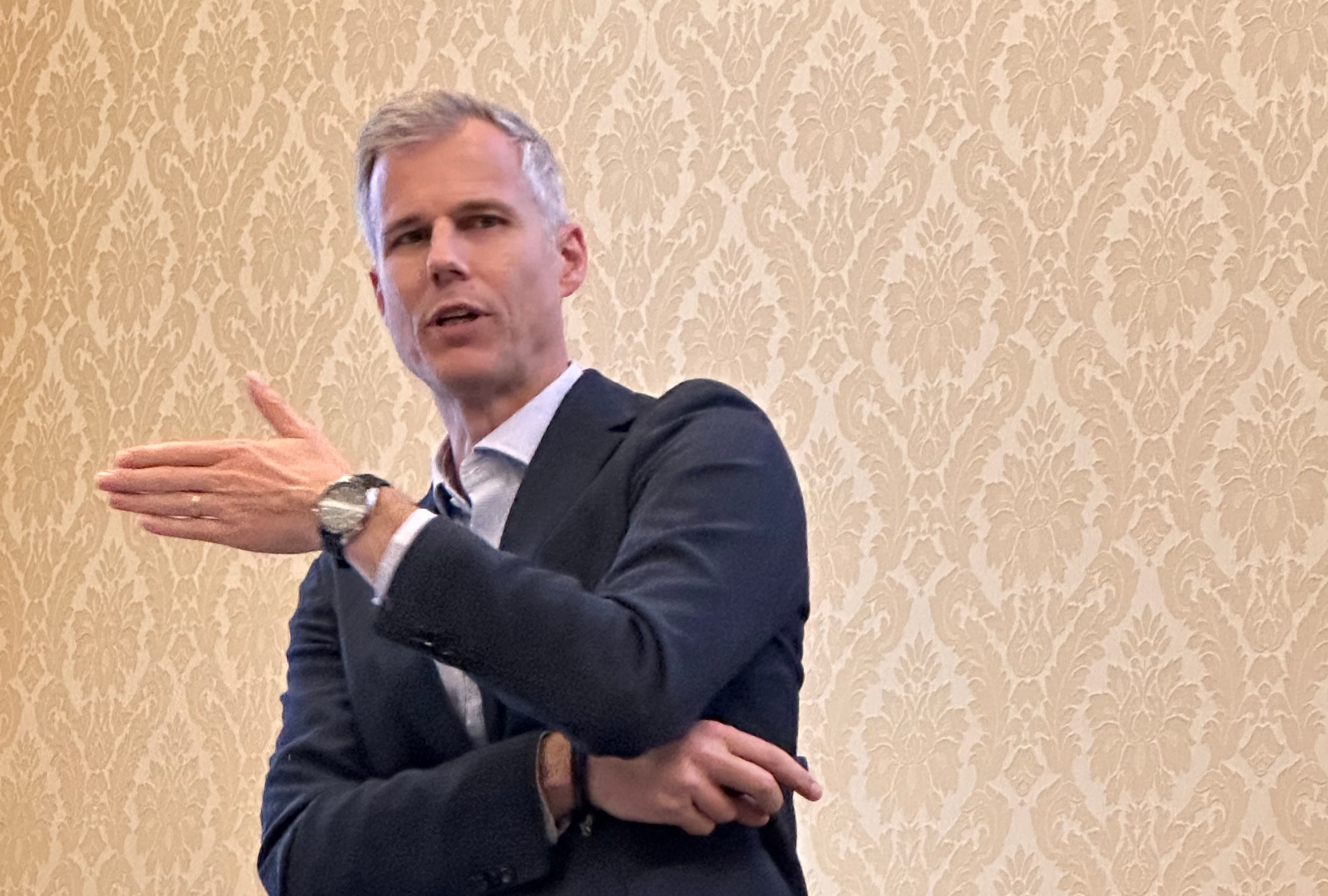
The conference featured a keynote lecture by Professor Benjamin Jones, Kellogg School of Management, Northwestern University, the National Bureau of Economic Research, and CEPR, where he examined artificial intelligence (AI) as an emerging general-purpose cognitive technology. He argued that AI’s economic impact will depend not only on the number of tasks it can perform, but also on how productively it performs them and whether other essential tasks remain bottlenecks.
The keynote also considered AI’s potential to support research and innovation by drawing on knowledge across disciplines. At the same time, it cautioned that even major advances in particular activities may produce more limited economy-wide gains when complementary skills, processes, or institutions do not advance alongside them.
Together, the conference contributions underscored the key message that sustainable growth depends on understanding how firms respond, how resources move across the economy, and how productivity gains spread through markets and production networks. For policymakers, this means looking beyond headline indicators to the firm-level constraints, incentives, and connections that ultimately determine whether innovation translates into broader economic opportunity and sustained job creation.