When Electricity Changes Lives
By Hon. Minister Raissa Malu Dinanga, Minister of State and Minister of National Education and New Citizenship, Democratic Republic of Congo
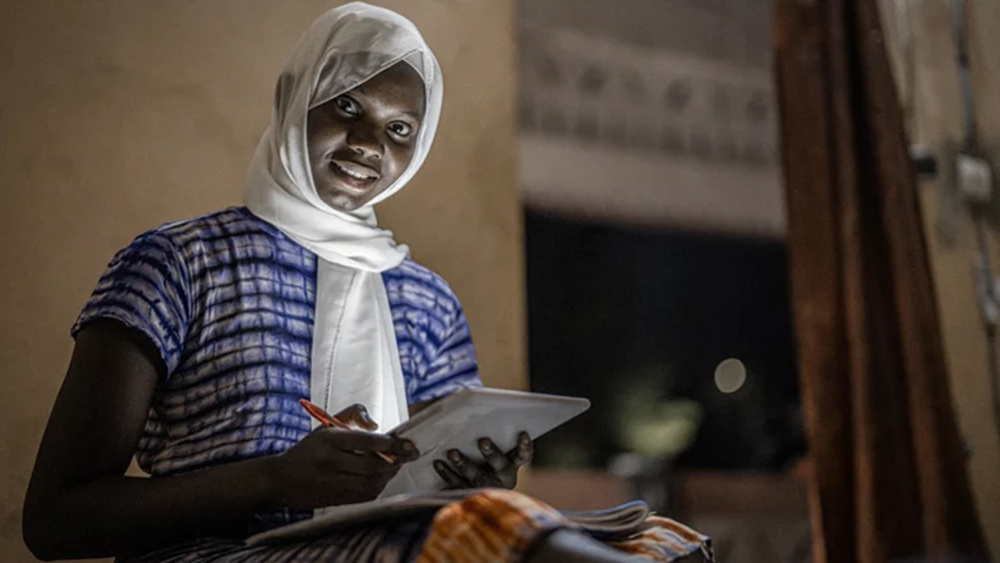
I regularly have the opportunity to see firsthand community electrification initiatives led by institutional or private partners. Sometimes these are relatively small-scale projects that bring electricity, for the first time, to communities that previously had no access.
I am thinking, in particular, of several initiatives supported by the World Food Programme (WFP), where solar energy enables children to access digital learning resources, helps women better preserve their agricultural products, allows residents to charge their phones, and enables communities to continue their activities after dark. These investments make a tangible difference in people’s daily lives.
Yet these experiences also raise a question for me. If electricity undeniably improves living conditions and enables new economic activities to emerge, why does it not always lead to a lasting transformation of the conditions that perpetuate poverty?
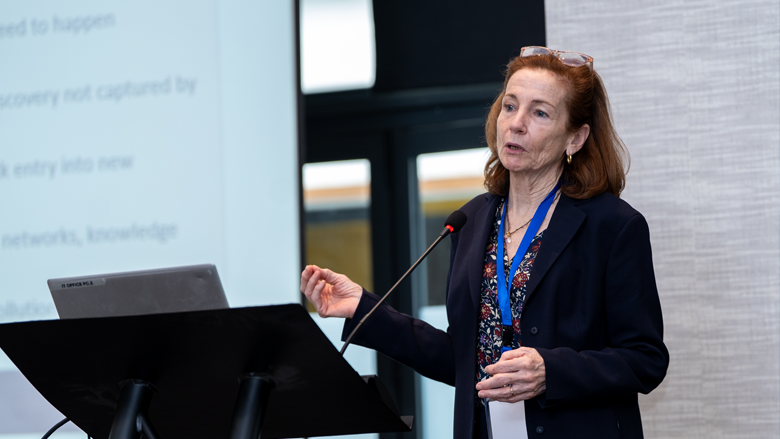
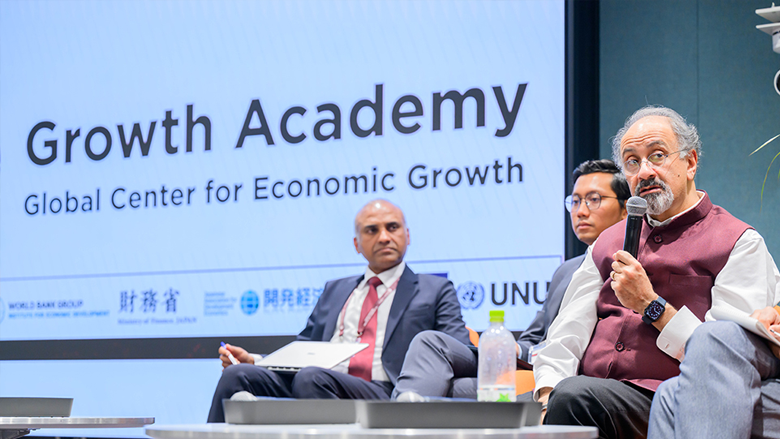
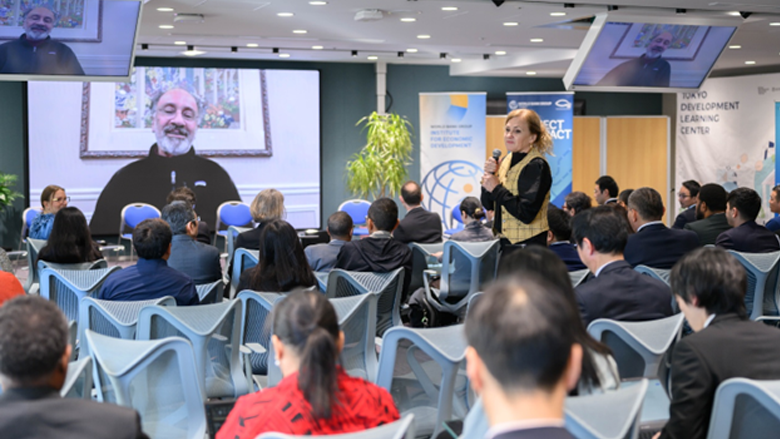
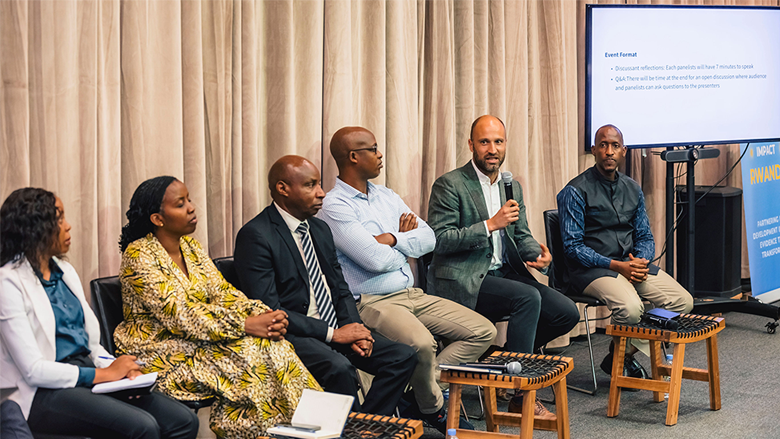
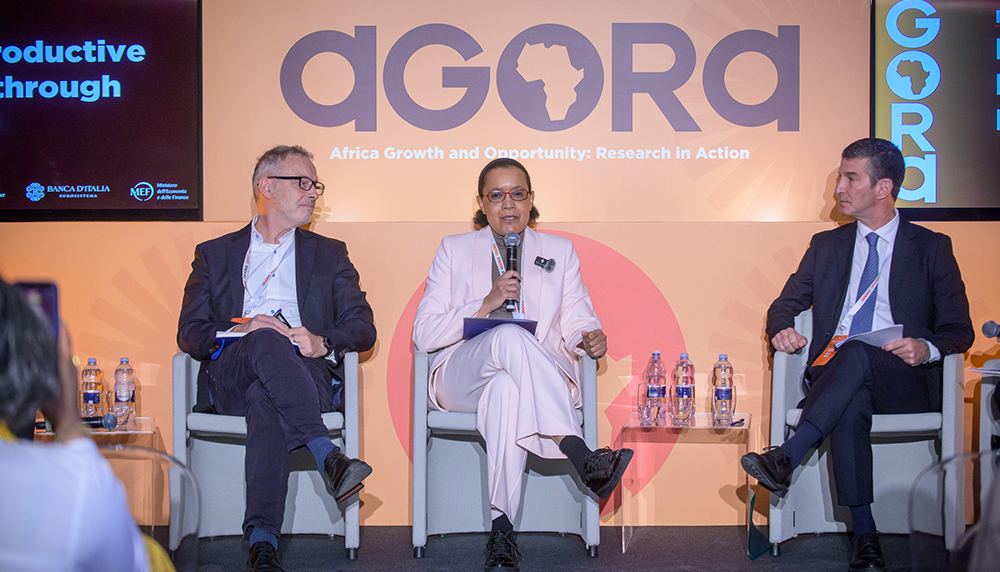
That question is on my mind today in Palermo, where I am participating in the second edition of AGORA, Africa Growth and Opportunity: Research in Action, a conference organized in part by the World Bank Group and the Bank of Italy. This year’s discussions focus on the conditions needed to translate investments into skills, productivity, jobs, and economic growth across Africa.
Building the Skills Needed for Energy Development
This reflection brought me back to a conversation I had in early October with Ms. Soraya Aziz-Moto, Director General of the Electricity Sector Regulatory Authority (ARE), who came with her team to present the ELLE’ECTRICITÉ project.
The initiative seeks to increase women’s participation in occupations across the electricity sector. I naturally expressed my support. But our discussion also led us to consider a broader collaboration around the skills our country will need to develop its energy sector, one of the key priorities of the ongoing reform of technical and vocational education and training.
Our challenge is not only to encourage more girls to enter these professions, as essential as that is. It is also to develop, at a much larger scale, the scientific, technical, and professional skills needed to support the Democratic Republic of Congo’s energy and industrial development.
The Inga 3 program provides a concrete example. This major infrastructure project, whose preparation is supported by the World Bank, will require technicians, maintenance specialists, engineers, and many other professionals. We need to start building these skills today, through technical and vocational secondary education as well as higher education.
But Electricity Alone Does Not Create a Productive Economy
Last July, in an article titled “Skills for Every Economic Region,” I explained why our education system needs to be better aligned with the economic transformations expected across the country’s different regions.
This morning in Palermo, while listening to the Mattei Lecture delivered by Dr. Monica Musenero Masanza, Uganda’s Minister of Energy and Mineral Development, one idea particularly resonated with me: developing the skills needed for an economic activity is not enough. We must also create the conditions for that activity to emerge, grow, and reach viable markets.
Consider an agricultural community that gains access to electricity. It can now contemplate using electric mills, irrigation systems, cold storage equipment, or small-scale processing facilities. But to turn these opportunities into viable businesses, communities also need access to finance, transportation, buyers, and people with the skills to organize production and maintain equipment. Electricity removes one major constraint. It does not automatically remove the others.
This observation is consistent with several studies on rural electrification. An experimental study in Kenya by Kenneth Lee, Edward Miguel, and Catherine Wolfram, published in 2020, found no substantial medium-term economic effects for newly connected households under the conditions studied.
These findings do not diminish the importance of access to electricity. Rather, they invite us to better understand the conditions needed to realize its full potential.
Connecting Energy, Economic Activity, and Skills
This points to the need to better align energy investments with local economic development opportunities. When a new electricity grid or solar installation is being planned, why not consider from the outset the economic activities that could benefit from it, the equipment they would require, the markets they could reach, and the skills that would need to be developed?
Of course, access to electricity should not depend on the profitability of economic activities. Electricity is also an essential service that improves health, safety, and education. But we can work to ensure that these social benefits are accompanied by new opportunities for production and income generation.
From this perspective, I see two complementary responsibilities for our education system: to train the people who will generate, distribute, and maintain electricity, and to equip people with the skills to use that energy to produce, create businesses, and innovate.
I see two complementary responsibilities for our education system: to train the people who will generate, distribute, and maintain electricity, and to equip people with the skills to use that energy to produce, create businesses, and innovate.
This ambition starts with foundational education, including literacy, numeracy, reasoning, and problem-solving skills. It continues through technical and vocational education and training, specialized training, and lifelong learning. We need to prepare young people not only to fill the jobs created by new investments, but also to seize the opportunities these investments create to develop new economic activities.
This is the perspective I hope to bring to AGORA tomorrow during the panel “Powering Productive Economies through Mission 300.” Jointly led by the World Bank Group and the African Development Bank, Mission 300 aims to connect 300 million people in Africa to electricity by 2030. This is an important ambition. But it should also encourage us to look beyond access itself and ask what people will actually be able to achieve once they have electricity.