Who Writes the Rules? The Move to Give Developing Countries a Seat at the Standards Table
Every time a Kenyan coffee exporter ships a container to Europe, or a Bangladeshi garment manufacturer fulfills an order for a global retailer, they are operating under rules they almost certainly had no hand in writing. International standards, the technical specifications that govern product safety, quality, and interoperability shape the terms of global trade. For most of the developing world, those terms are set by others.
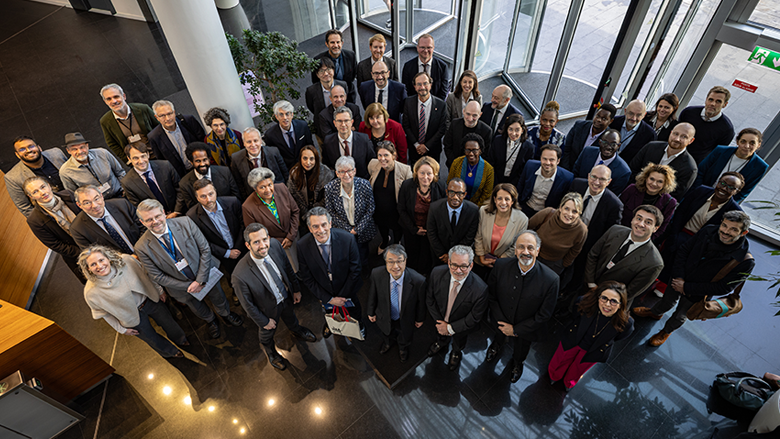
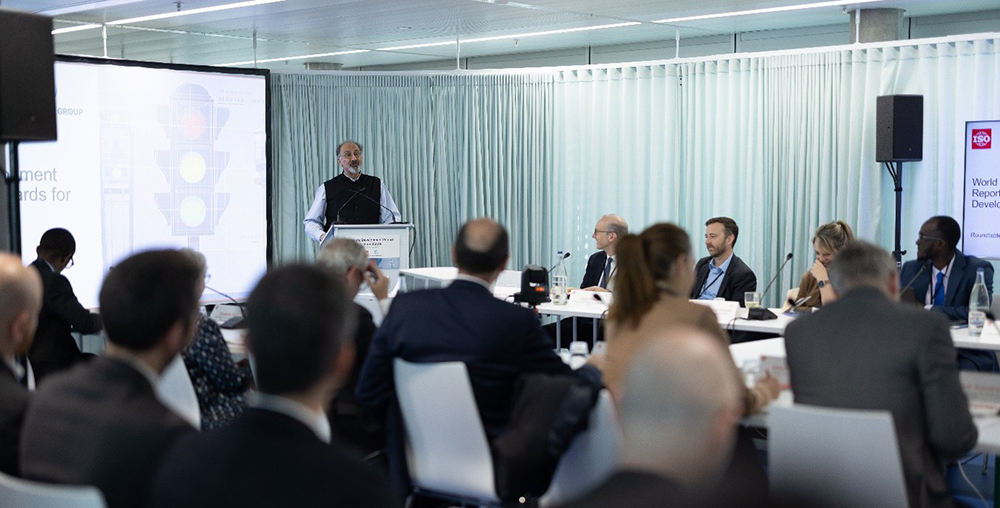
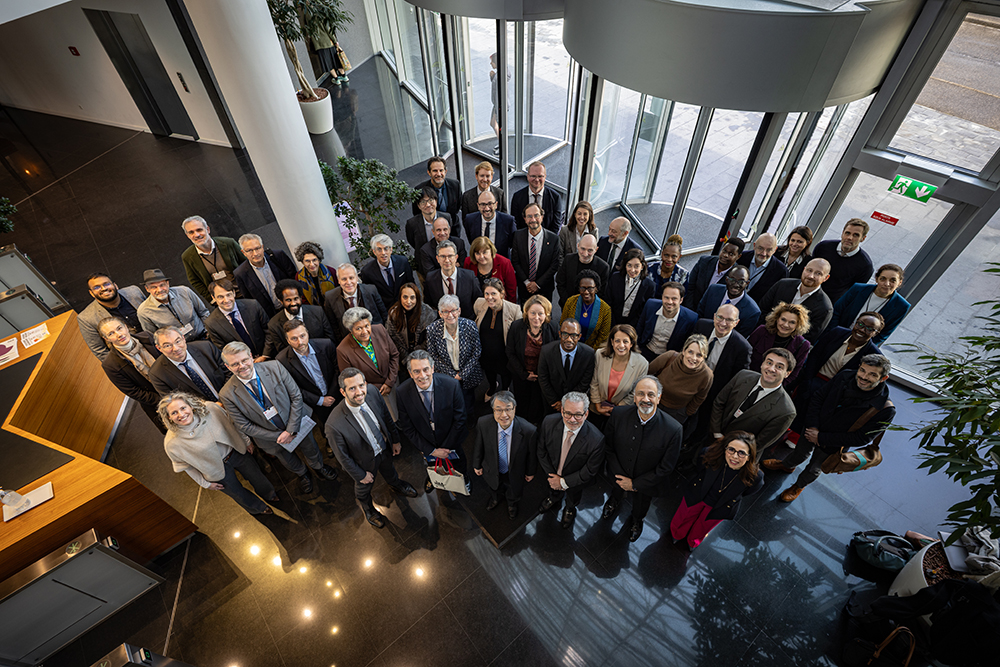
That is part of the problem this high-level roundtable convened in Geneva by the World Bank Group and ISO set out to confront. The event, held to mark the release of the World Development Report 2025: Standards for Development (WDR 2025), brought together UN agencies, national standards bodies, regulators, and private sector representatives for a frank conversation about how standards can be used more effectively to drive productivity, upgrade quality, and expand opportunity, which is one of development's most overlooked structural challenges.
Quiet Catalysts
Standards, in the words of World Bank Group Chief Economist Indermit Gill, are "quiet catalysts of human progress." They function best when invisible, seamlessly underpinning economic and social activity. When they work, no one notices. When they fail, the disruption is hard to ignore. That quietness, Gill argued, is precisely the problem: because standards operate in the background, their importance tends to be chronically undervalued, particularly in developing countries. Yet standards also shape domestic markets, signaling quality and safety, enabling firms to upgrade, and building trust between buyers and sellers.
The stakes are difficult to overstate. Roughly 7 of the world's 8 billion people live in developing countries. As such, making international standards work for those populations, and ensuring those populations have a say in shaping them, is not a niche technical concern. It is a matter of global economic equity.
The Participation Gap
The WDR 2025 makes the case that international standards are not a peripheral technical matter. They are a core driver of productivity, safety, quality upgrading, and market integration. But the report also documents a stark imbalance. While high-income countries participate on average in 228 international standards development committees, low-income countries only join 20 such committees. Developing countries are overwhelmingly "takers" of standards, adopting specifications written largely by wealthier nations, rather than "shapers" who help define them. Consequently, these standards are sometimes poorly suited to local conditions, and the countries most affected have the least influence over the rules they must follow.
When developing country governments recognize a public policy problem, their instinct is often to reach for mandatory standards—prescribing specific technical solutions. Gill argues this is often counterproductive and insufficient. The more effective model is one where voluntary standards—developed through private-sector-led mechanisms—are combined with broad regulations. Sometimes, voluntary standards are sufficient all together. Mandatory standards have their place, but they should not be the only instrument in the toolkit.
Closing the participation gap was the roundtable's organizing purpose, and participants were clear that doing so requires more than goodwill. It requires investment in national quality infrastructure: the metrology labs, testing facilities, and accreditation systems that make standards implementable in the first place. Without that backbone, even the most well-designed international standard remains out of reach.
From Takers to Shapers
The most consequential output of the roundtable was a structured framework for how developing countries can move along the standards participation spectrum and use standards strategically across sectors. The "adapt, align, author" model, applied sector by sector, recognizes that countries may need to adapt international standards when requirements are too stringent for local capacity, align more closely with international standards as capabilities strengthen, and eventually co-author international standards to reflect their priorities and expertise.
What Comes Next
What the event did accomplish was to put standards squarely on the development agenda, with the credibility of the World Development Report 2025 behind it. For countries that have long played by rules they did not write, that shift in attention is, at minimum, a start.
Contact the WDR 2025 team for more information.