Climate impacts are accelerating across all regions, and many countries face rising exposure with limited capacity to prepare or recover. Higher temperatures, extreme precipitation, storms, and floods are creating sharper losses for households, farms, firms, and governments, while adaptation progress continues to lag behind the speed of climatic change.
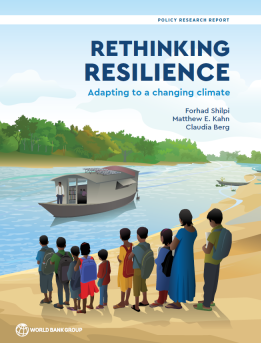
The Rethinking Resilience: Adapting to a Changing Climate report reorients what it means to be climate resilient. It maintains that economic development remains among the strongest driver of resilience because higher incomes expand savings, diversify livelihoods, strengthen market access, and increase the fiscal space needed for public investment.
The report sets out a “Five I” framework that layers income, information, insurance, infrastructure, and interventions to match the frequency and severity of climate hazards. Countries that combine broad-based growth with credible information, robust risk-sharing, resilient infrastructure, and timely support systems are better positioned to withstand climate pressures and sustain long-term development.
Featured Content
Explore our curated insights, events, and learning opportunities on the topic of climate resilience.





Key Policy Messages
The principal response to climate change for developing economies should be to quickly become more resilient to it. Read the key policy recommendations from the report. Click on each card to read.
The five pillars of climate resilience for countries
The five pillars of climate resilience for countries
Building climate resilience depends on layering the Five I’s in the right sequence, matched to the frequency and severity of shocks:
- Frequent, low-impact events are best handled through income and information. Larger but less frequent shocks require income plus information plus insurance plus infrastructure.
- Rare, catastrophic events require all five instruments together, with interventions acting as the final layer of support.
- Resilience is two-thirds development and one-third adaptation, with income growth followed by information, then insurance, with infrastructure and interventions rounding out the mix.
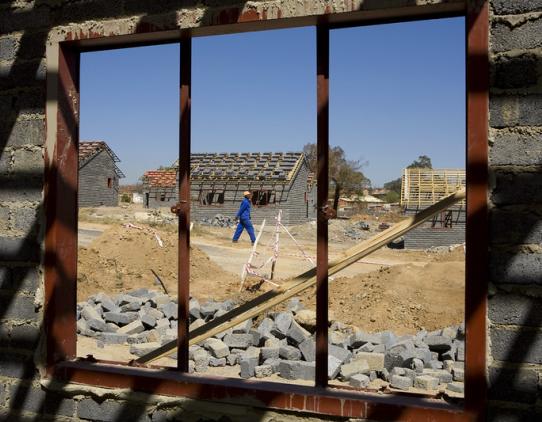
Countries must focus on income growth
Countries must focus on income growth
Income growth forms the base of climate resilience and enables households, farms, and firms to prepare for shocks and rebuild.
- Higher incomes loosen liquidity constraints and allow protective investments before climate events.
- By the end of the century, most of the decline in heat-related mortality will come from income-enabled investments.
- Higher tax revenues from growth expand government capacity to finance infrastructure, information systems, and preparedness.
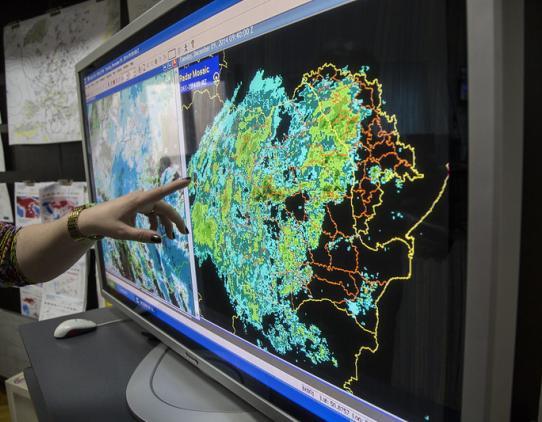
Governments must emphasize reliable public information
Governments must emphasize reliable public information
Reliable, timely climate and weather information turns uncertainty into manageable risk and enables pragmatic decisions.
- Credible forecasts and early warnings improve choices across households, farms, firms, and governments. A single day of advance warning can reduce damage by 30 percent, and early warning systems can achieve benefit-cost ratios near 9 to 1.
- Weather stations, data processing capacity, and real-time dissemination systems form the backbone of effective information systems.
- Information reduces ambiguity aversion and strengthens decisions on planting, migration, cooling investments, and technology adoption.
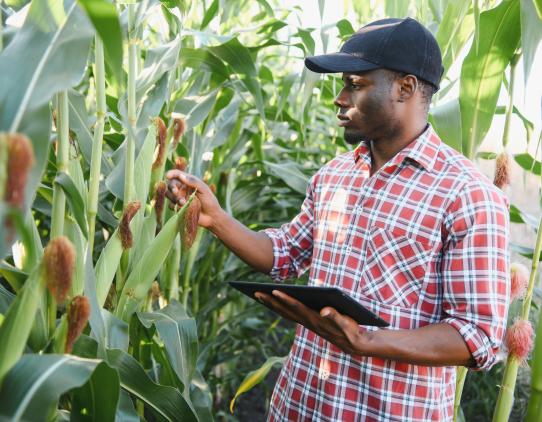
Robust insurance markets are a major component of resilient economies
Robust insurance markets are a major component of resilient economies
Insurance and risk-transfer markets help people pool risks, recover quickly, and sustain productive activity after climate shocks.
- Insurance expands recovery capacity for households and firms and stabilizes development pathways.
- Reducing basis risk, simplifying products, speeding payouts, and using digital channels strengthen trust and increase uptake.
- Publicly supported insurance can reduce post-disaster mortality and accelerate local economic recovery.
- Multi-country risk pooling and catastrophe bonds expand affordable coverage where shocks would overwhelm national insurers.
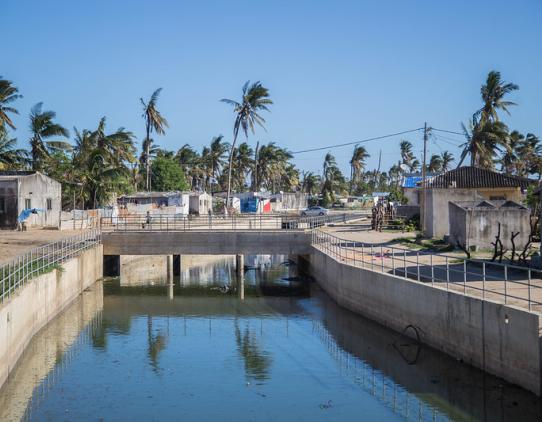
Governments should invest in improving infrastructure
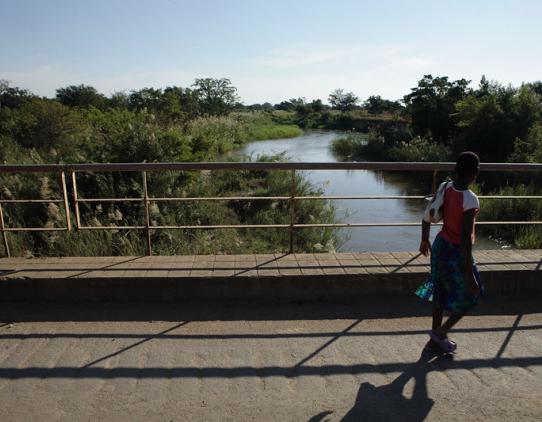
Governments should invest in improving infrastructure
Resilient, well-planned infrastructure reduces losses, facilitates market access, and diffuses localized shocks.
- Transport, drainage, housing, and market-connecting systems protect lives and livelihoods and spread climate risks across space.
- Integrated markets enabled by infrastructure act as an automatic insurance mechanism by dissipating local shocks. Basic services such as safe water, sanitation, and electricity significantly reduce vulnerability and support inclusive growth.
- Infrastructure investment should follow cost-benefit analysis and risk layering, with retreat considered in the highest-risk areas.
Countries should design social protection programs to boost resilience
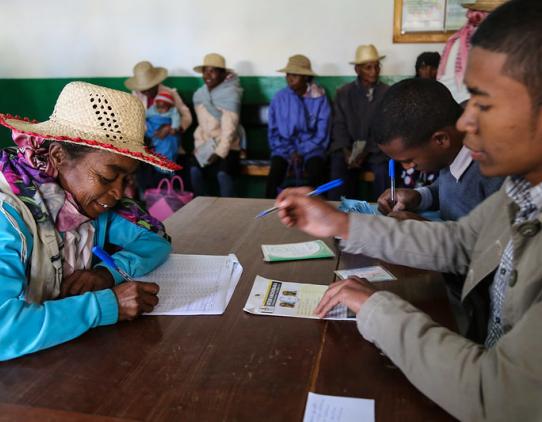
Countries should design social protection programs to boost resilience
Targeted, timely, rules-based social protection helps people cope with climate shocks while supporting long-term resilience.
- Interventions prevent irreversible losses and enable mobility when needed. Adaptive social protection delivers rapid, predictable support during extreme events and limits long-term scarring.
- Public support should be calibrated to shock severity and delivered through portable, rules-based systems.
- Subsidies within insurance or protection programs work best when they minimize distortions and reinforce risk-management behavior.