Connecting skills, firms and jobs for Africa’s future
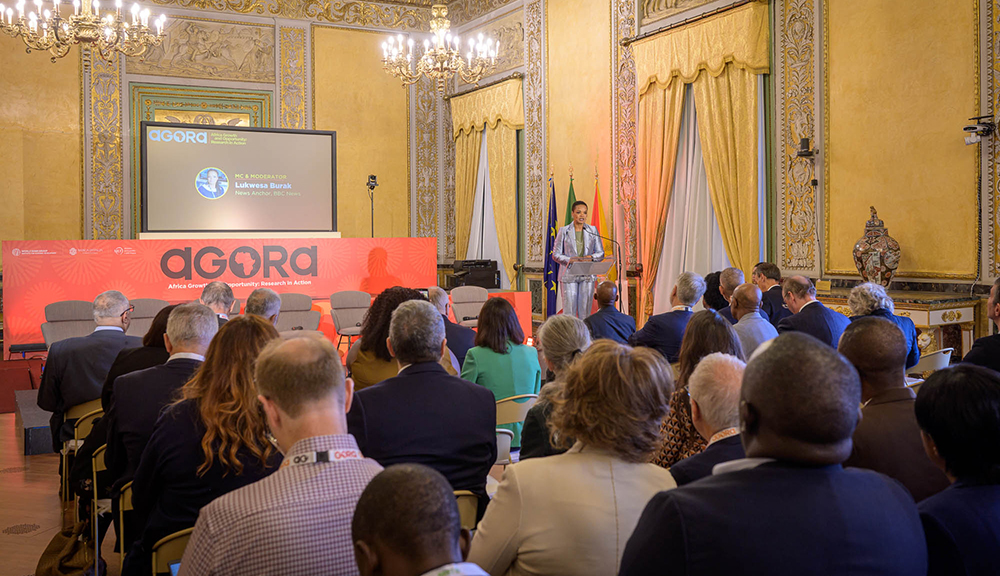
The first day of AGORA 2026 brought policymakers, researchers and private sector leaders together in Palermo to explore a central question for Africa’s future: how can investments in skills translate into more productive firms, better jobs and economic opportunity at scale?
Across sessions, keynote presentations, and panel discussions, a common message emerged: skills cannot be developed in isolation from the economies in which people will use them. Education and training need to connect with productive firms, investment, infrastructure and opportunities.
Building skills alongside productive economies
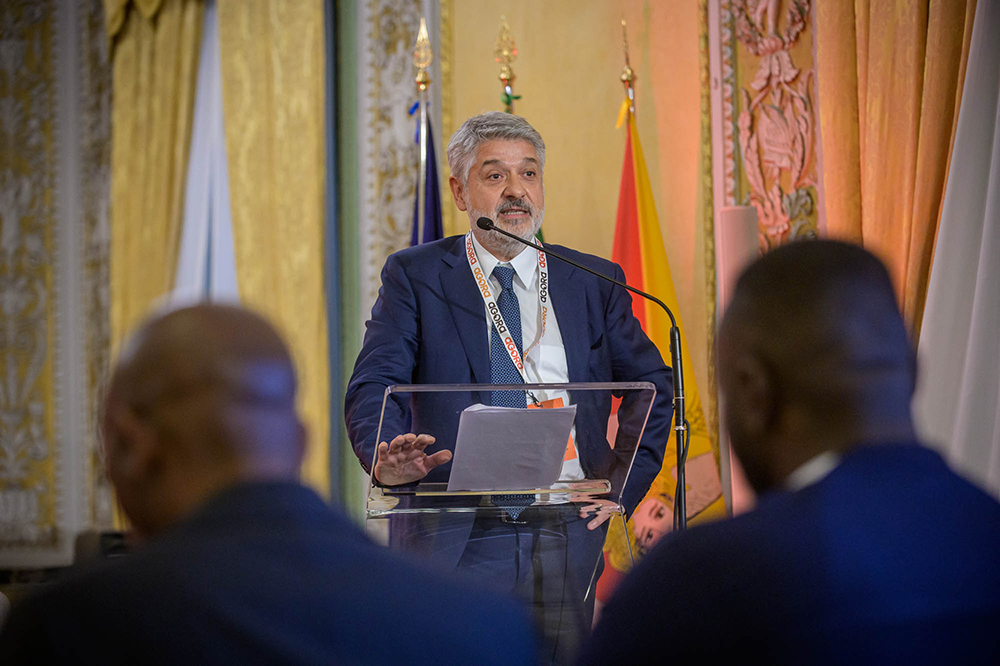
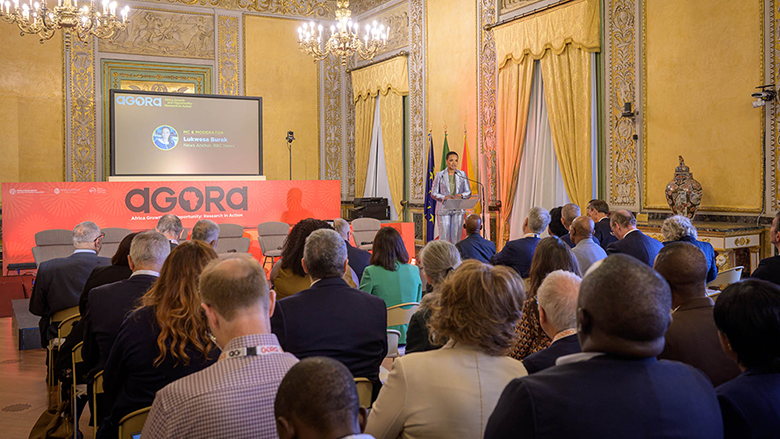
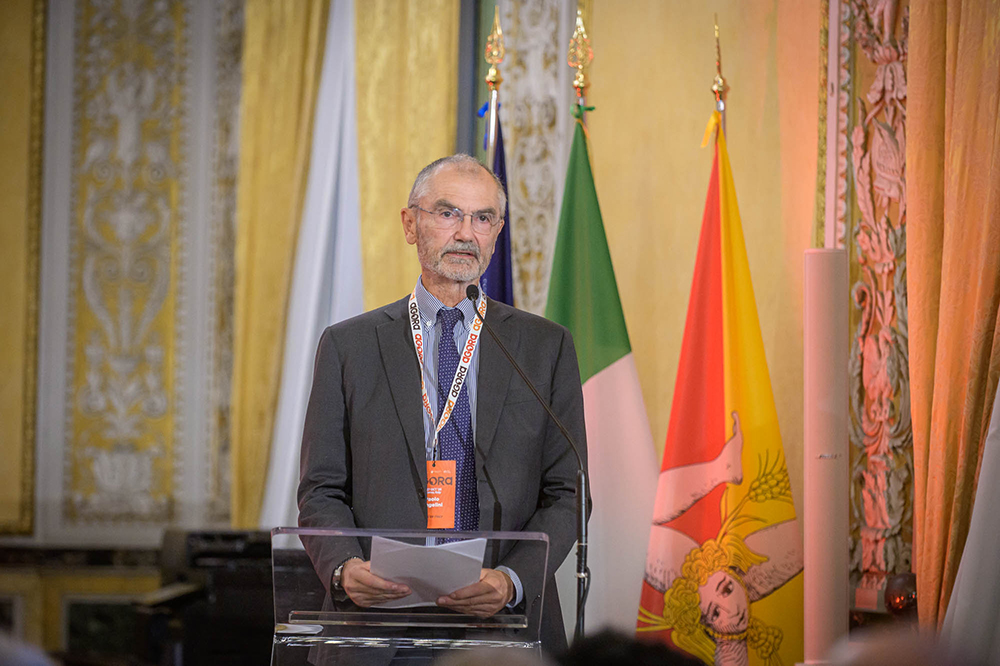
Opening the conference, Paolo Angelini, Senior Deputy Governor of the Bank of Italy, emphasized the links among skills, infrastructure and technology.
Infrastructure and technology can create opportunities, but it is human capital that determines whether those opportunities translate into lasting productivity gains, quality jobs and economic growth.
-Paolo Angelini, Senior Deputy Governor of the Bank of Italy
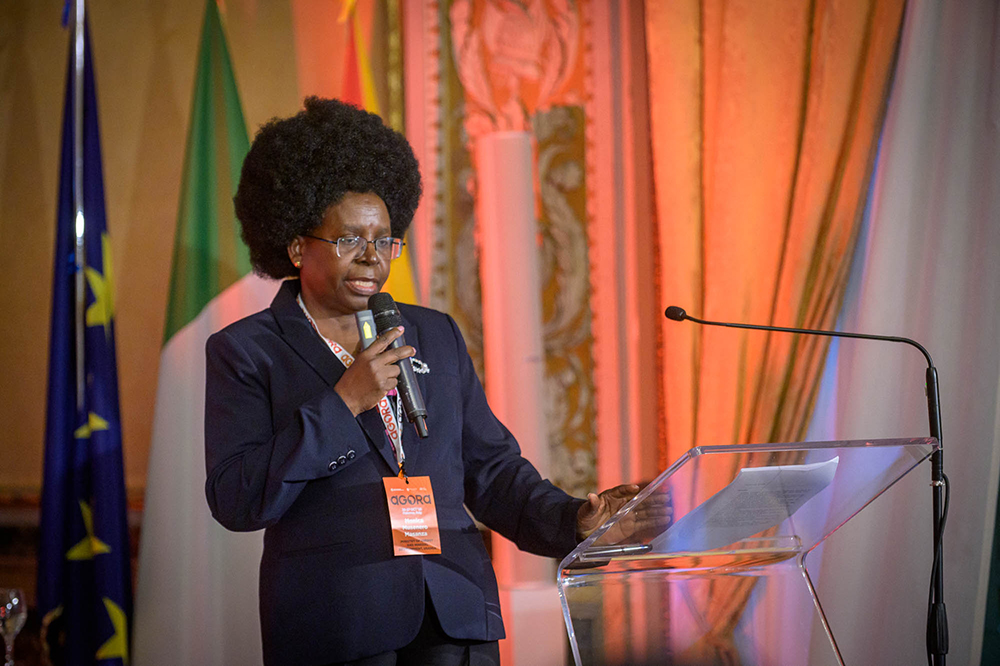
That connection took center stage during the Mattei Lecture on the Africa Job Challenge, delivered by Dr. Monica Musenero Masanza, Uganda’s Minister of Energy and Mineral Development. She challenged participants to look beyond training programs alone. Africa’s jobs challenge, she said, must also be understood as a challenge of productive transformation. She argued that economic planning and human capital planning need to move together.
What comes first: skilled workers or productive firms?
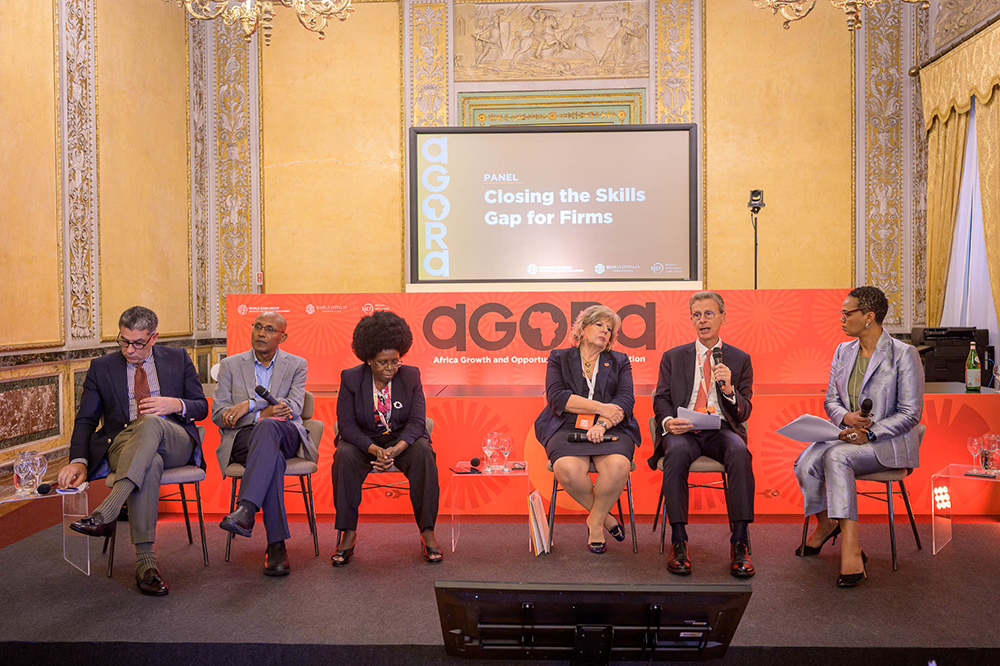
That question carried directly into the opening panel on Closing the Skills Gap for Firms, which brought together perspectives from government, research, finance and the private sector.
The discussion highlighted apprenticeships and learning by doing, alongside stronger links between training, investment and emerging industries. Karim El Aynaoui, Executive President of the Policy Center for the New South, pointed to Morocco’s experience in automotive and aerospace, where government-supported training institutes operated by the private sector have helped develop workers for growing industries.
The panel also explored the implications of artificial intelligence (AI). Andrew Dabalen, World Bank Group Chief Economist for Africa, highlighted practical AI applications, or small AI, that can operate under constraints such as limited bandwidth and infrastructure, while stressing that widespread adoption will ultimately depend on foundational enablers including energy, data and skills.
Skills are also built at work
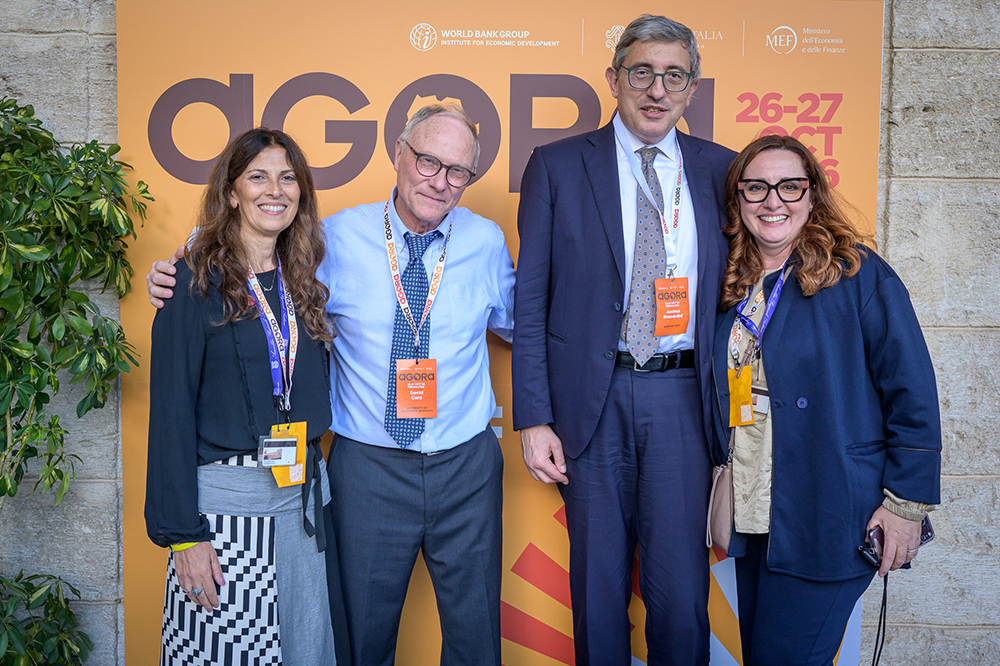
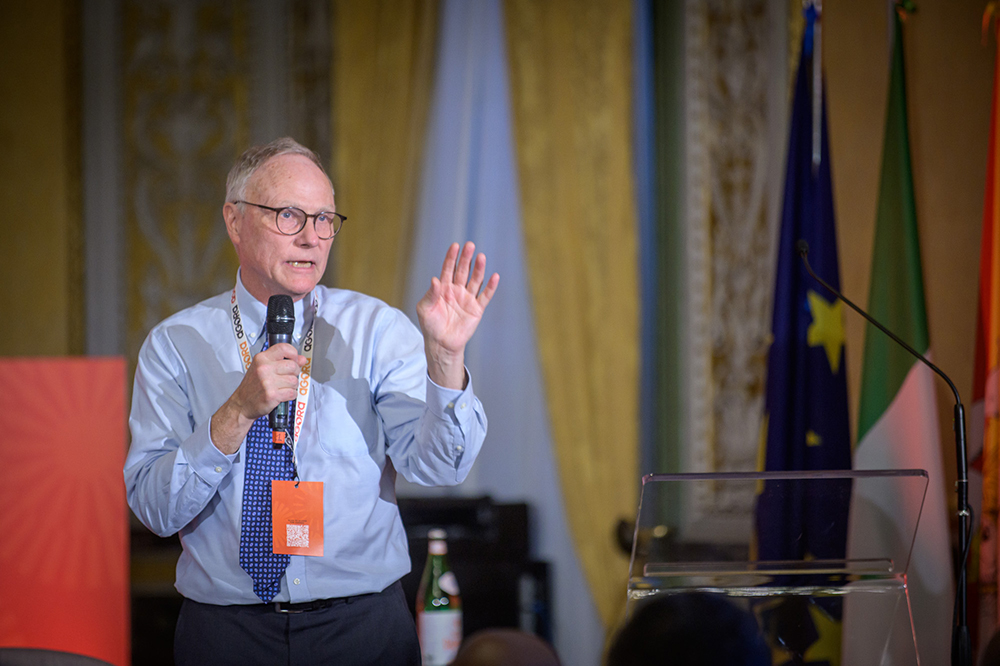
Nobel laureate David Card brought insights from decades of labor economics research during his keynote presentation on Skills, Jobs, and Labor Market Change. His presentation broadened the conversation beyond formal education to consider how skills are formed throughout people’s lives and careers.
David Card emphasized the importance of both cognitive and non-cognitive skills, early childhood development and learning on the job. He also drew attention to the demand side of the labor market: firms and the availability of productive jobs influence whether workers can use their skills, accumulate experience and move toward better opportunities.
The afternoon discussions brought the skills challenge into two sectors central to Africa’s economic transformation: energy and agrifood systems. In UpSkilling the Energy Sector, participants examined the workforce transformation required to support Africa’s energy transition, including investments under Mission 300.
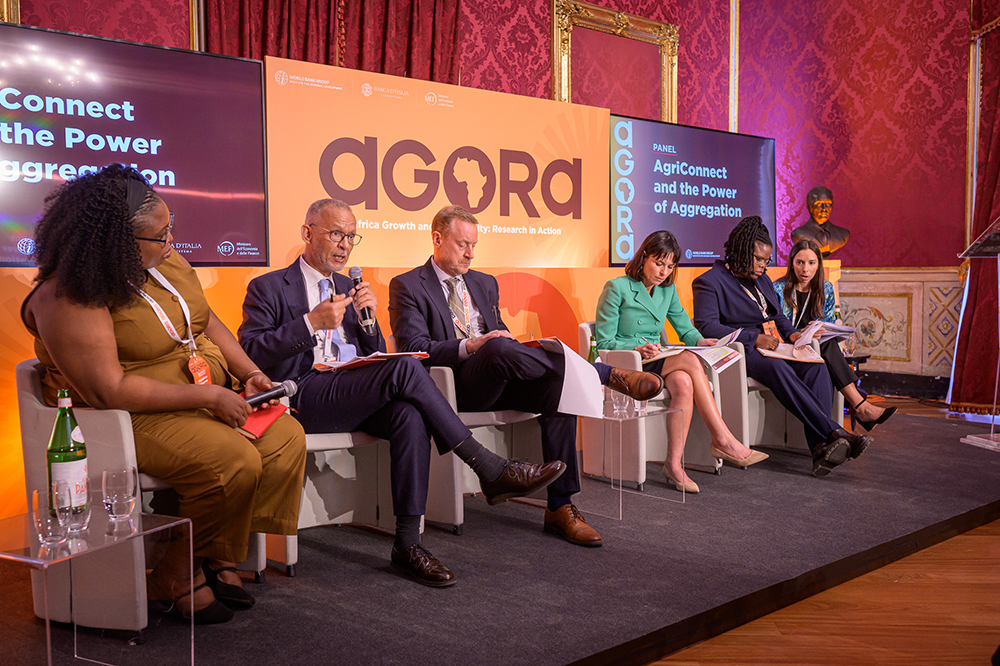
A parallel session, AgriConnect and the Power of Aggregation, turned to the agrifood sector which looked at the role of producer organizations, cooperatives, aggregators and small and medium-sized enterprises in connecting farmers with markets, services, technology and finance.
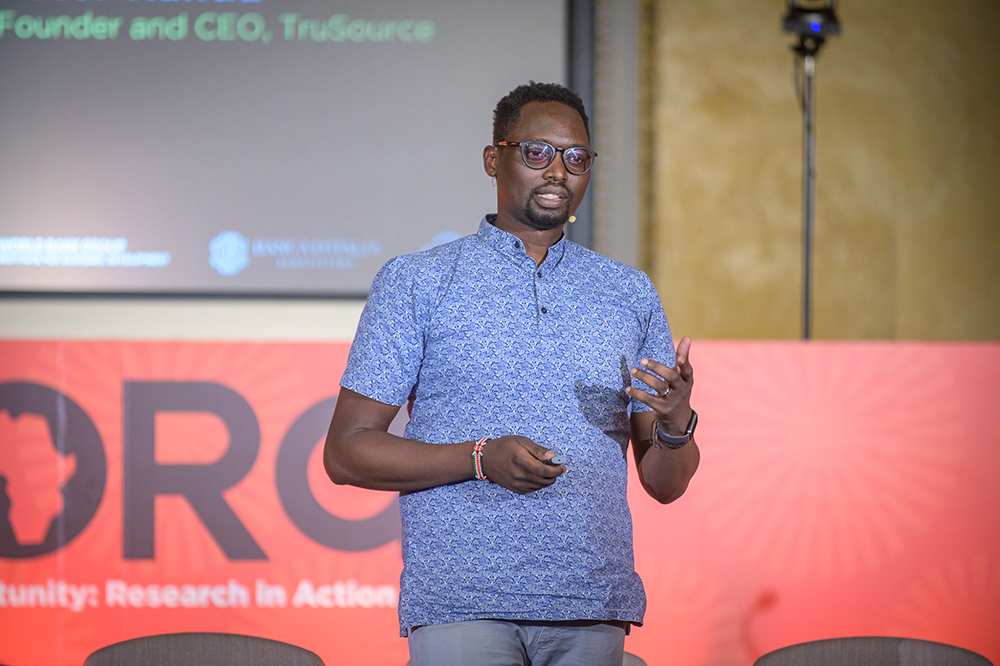
The day closed with presentations from entrepreneurs who highlighted how innovation in education, agribusiness, and technology is already creating jobs and economic opportunity across Africa.